Step by step
What not to do
- Don't assume generic caregiver training will work for dementia; you need a program explicitly built around dementia-specific scripts and techniques.
- Don't skip practicing scripts out loud; reading them is not enough, and under stress you will revert to old habits.
- Don't expect a single script to work at every stage, choose a program that teaches you how to adapt language as the disease progresses from early to middle to late stage.
- Don't ignore your own burnout; if your stress is high, your tone and body language will undermine even the best script, so prioritize caregiver stress support as part of training.
- Don't wait for a crisis to learn a script; proactive practice during calm moments is far more effective than scrambling during a struggle.
Key points
- Script-based training gives you exact words to say during challenging moments, reducing stress for both you and your loved one.
- Look for programs that offer a money-back guarantee, like Deborah Costu's, as a sign of confidence in the material.
- Choose a program that is tailored to your role (family vs. professional) and the stage of dementia.
- Practice scripts out loud before using them in real situations; tone and body language are as important as the words.
- Do not ignore your own stress; the best programs include caregiver self-care modules.
- Start with the most urgent behavior first, and track what works so you can adjust over time.
Videos
 Effects of Surgery & Anesthesia On Dementia PatientsThis video helps you understand how medical events can affect dementia symptoms, which is important context for choosing a training program that covers medical communication scripts.
 DON'T SKIP THIS VIDEO!This video likely contains urgent tips or announcements about caregiver training; watch it to see if it aligns with the script-based approach you are seeking.
 You deserve a break!Caregiver stress is a key topic in effective training. This video may offer strategies for taking breaks, which is essential for sustaining your ability to use scripts well.
 3 STEPS TO LOWERING DEMENTIA CAREGIVER STRESS WITHOUT EXTRA TIME, MONEY, OR HELP. *SPECIAL TRAINING*This special training directly addresses stress reduction, which is a core component of many script-based programs. Watch it to see if the instructor's style matches your needs.
2 more videos
 An Interview with Dr. Jennifer Stelter Co-Founder, CEO, & Creator of the Dementia Connection ModelThis interview introduces the Dementia Connection Model, which offers certification programs. It will help you understand the philosophy behind one of the recommended training options.
 How To Decrease Your Stress As A Dementia Caregiver Through Dementia CoachingDementia coaching is a personalized approach that can complement script-based training. This video explains how coaching can help you apply scripts more effectively.
Background
Why Script-Based Training Works for Dementia Care
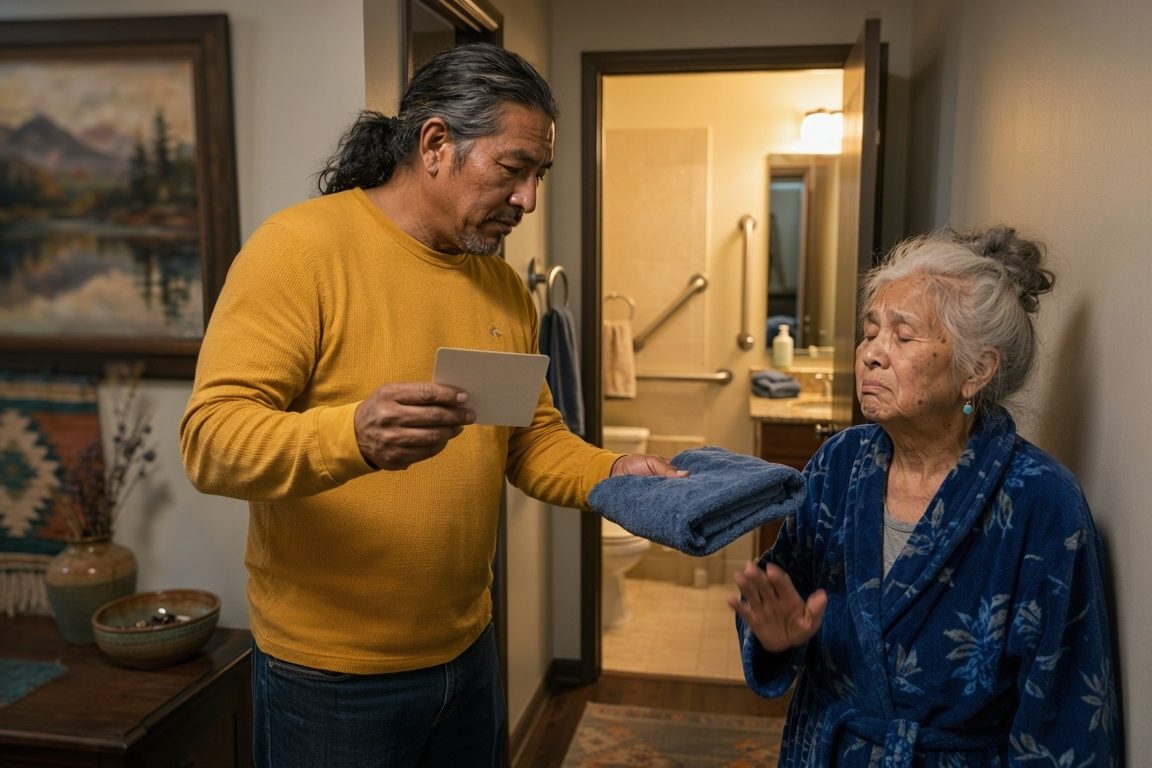
Dementia changes a person's ability to understand language, process instructions, and regulate emotions. When a caregiver says something like 'Time to take a shower,' the person with dementia may hear a threat or feel confused and become agitated. Script-based training gives you specific phrases that are proven to reduce resistance and increase cooperation. For example, instead of saying 'Let's get dressed,' a script might teach you to say 'Let's put on this soft blue shirt that feels nice.' The scripts are not just words; they are a whole approach that includes tone of voice, body language, and pacing.
Research shows that effective caregiver training is tailored and flexible, because dementia changes over time. A good program will teach you how to adapt the same script for different stages. For instance, a script for bathing in early-stage dementia might involve offering choices ('Do you want a bath or a shower?'), while in middle-stage it might use distraction ('Let's wash your hands first, then we can get the rest done'). The best programs also consider the needs of both the caregiver and the person living with dementia, so you are not just learning techniques but also how to manage your own stress.
What to Look for in a Quality Training Program
A quality dementia care training program should be competency-based, meaning it teaches you actual skills you can practice and use. Look for programs that offer a structured curriculum with modules on communication, bathing, toileting, dressing, eating, managing behavioral symptoms (like aggression, sundowning, and hallucinations), and end-of-life care. The program should also include video demonstrations or role-play scenarios so you can see the scripts in action.
Another key feature is ongoing support. Some programs offer live Q&A sessions where you can ask questions about your specific situation. For example, the Dementia Careblazers program includes six live question-and-answer sessions with the instructor, plus a bonus module on how to prevent and reduce the most difficult behaviors. Also, look for a program that is tailored to your role: family caregiver versus professional caregiver, and whether you are caring at home or in a facility. The best programs are flexible enough to adjust as your loved one's condition changes.
Where to Find Script-Based Training Programs
One highly recommended resource is the book and course by Deborah Costu, a Certified Master Dementia Strategist. Her program includes scripts for toileting, bathing, behaviors, communication, sundowning, and hallucinations. She offers a 4-day certification class for those who want to go deeper, and she guarantees that if you use her scripts and techniques and they don't work, she will refund your money. This is a strong indicator that the program is practical and effective.
Another option is the Dementia Connection Model, which offers two certification programs: Dementia Connection Specialist (DCS) for all caregivers regardless of educational background, and a trainer model for healthcare professionals. They are launching an online classroom called the Dementia Connection Classroom. Also, Pamela D. Wilson offers a free course on her website with dementia care tips, planning, and scripts. For those who prefer a Christian perspective, the Dementia Caregiver Support For Christians program emphasizes beginning with the end in mind and provides a solution-based approach to avoid burnout.
Practical tools
5
Script Bank for Common Situations
Create a physical or digital card for each common situation: bathing, toileting, dressing, eating, sundowning, and hallucinations. On each card, write 2–3 scripted phrases. For bathing refusal, try: 'I see you're comfortable right now. Let's just wash your hands and face, then you can rest.' For sundowning: 'The day is winding down. Let's sit by the window and watch the birds.' Keep the cards in your pocket or on the fridge for quick access.
The 'Yes, And' Validation Technique
When your loved one says something that isn't true (e.g., 'I need to go home' when they're already home), don't correct or argue. Instead, validate and redirect: 'Yes, home is a wonderful place. Tell me about your home, what was your favorite room?' This reduces agitation and is a cornerstone of most script-based programs.
The 'Start with a Small Request' Strategy
Before asking for a big task like bathing, start with a small, almost impossible-to-refuse request: 'Can you help me fold this towel?' or 'Would you like a sip of water?' Once they comply, transition naturally to the next step. This builds cooperation and momentum.
Visual Cue Cards
Create simple picture cards for daily routines, a toothbrush for brushing teeth, a toilet for toileting, a plate for eating. Show the card alongside your script: 'It's time to make our teeth sparkle.' Pairing a visual with a short, warm phrase reduces verbal confusion and gives the person a concrete anchor.
The 'One-Step at a Time' Script
Break every task into single steps and give only one instruction at a time, pausing between each. For dressing: 'First, let's sit down.' (Wait.) 'Now, let's put your arm through this sleeve.' (Wait.) 'Great, now the other arm.' This prevents overwhelm and is a core technique in most quality dementia programs.
Different situations
For a family caregiver at home
Focus on programs that offer flexible, self-paced learning, like Pamela D. Wilson's free course or Deborah Costu's book. You may need scripts for multiple situations because you are the sole caregiver. Also, prioritize programs that include stress management modules, like the Dementia Careblazers course, because family caregivers are at high risk for burnout.
For a professional caregiver in a memory care facility
Look for certification programs like the Dementia Connection Specialist (DCS) or the Certified Master Dementia Strategist. These credentials can improve your job prospects and ensure you have a standardized approach. Also, consider programs that offer a trainer model, so you can train other staff members.
For early-stage dementia
Scripts should focus on offering choices and preserving independence. For example, 'Would you like to wear the blue shirt or the red one?' Avoid scripts that sound like commands. Programs that emphasize 'begin with the end in mind' (like the Dementia Caregiver Support For Christians) can help you plan ahead for later stages.
For middle-stage dementia with behavioral symptoms
Prioritize programs that have specific modules on aggression, sundowning, and hallucinations. Deborah Costu's program explicitly covers these. Scripts should be short, simple, and use distraction. For example, if the person is agitated about going to the bathroom, say, 'Let's check the mail first, then we'll go.'
For late-stage dementia
Focus on comfort and connection rather than task completion. Scripts should be gentle and reassuring, like 'You are safe. I am here with you.' Look for programs that cover end-of-life care and pain management. The Positive Approach to Care by Teepa Snow offers training on hand-under-hand technique and other gentle approaches for late-stage care.
Common questions
5
What kind of improvements (calmer days, less fighting) can I expect from caregiver education?
You can expect more calm days and fewer fights because script-based training gives you exact words to say during bathing, sundowning, or hallucinations, which often stops the escalation before it starts. Many families report that using these scripts cuts caregiving stress in half within the first week, and some programs even offer a money-back guarantee if you don't see this improvement.
How can home care companies improve caregiver retention and quality of care?
Home care companies can improve retention and quality by adopting script-based training programs (like Deborah Costu's) that give caregivers exact steps for tough moments, reducing their daily frustration and burnout. Offering a money-back guarantee on training can also show staff you believe in the tools, boosting their confidence and loyalty.
How can a PSW or caregiving program embed Positive Approach to Care into its curriculum?
A PSW or caregiving program can embed Positive Approach to Care by using its ready-made scripts for hand-under-hand guiding, reducing resistance during tasks like toileting or dressing. Practice these scripts out loud with trainees first, then coach them on tone and body language, as the words alone won't work without a calm, slow delivery.
What topics should caregiver education cover to improve patient outcomes?
Caregiver education should cover ready-to-use scripts for the most urgent behaviors first: bathing, toileting, sundowning, and hallucinations. It must also include a self-care module for the caregiver's own stress, because when you are calm and script-ready, your loved one stays calmer too, leading to better outcomes overall.
Is there a comprehensive, hands-on training course for dementia caregiving?
Yes, there are comprehensive hands-on courses built entirely around ready-to-use scripts for the hardest moments, like Deborah Costu's program, which often includes a money-back guarantee. Look for one that matches your role (family vs. professional) and the stage of dementia, then start with only the most urgent behavior and track what works so you can adjust.
For the doctor
4
- If the training program suggests any medication adjustments or new medications for behavioral symptoms, discuss this with your loved one's doctor first.
- If you are considering a certification program that involves hands-on practice with patients, ask the program if they have a clinical supervisor or medical director you can consult.
- If the program recommends any physical restraint or environmental modifications that could be unsafe (e.g., locking doors), discuss safety protocols with a healthcare professional.
- If your loved one has a history of falls or other medical conditions, ask the program instructor how to adapt scripts to ensure safety.