
Step by step
What not to do
- Do not try to learn everything at once or abandon a strategy after one failure, focus on one skill per week, practice until natural, and treat setbacks as experiments to adjust with the coach.
- Do not skip suggested home environment changes; clutter or poor lighting can trigger agitation regardless of your calmness, and simplifying the space often reduces stress fastest.
- Do not argue or try to reason your loved one out of confusion; this escalates agitation.Instead, acknowledge the feeling, redirect gently, and move on.
- Do not sacrifice your health or isolate yourself. Treat your own checkups, 7–8 hours of sleep, regular meals, and one weekly self-care activity as caregiving tasks. Build a support circle of family, friends, a support group, and your coach.
- Do not compare your caregiving journey to others'. Each dementia path differs, and comparison breeds guilt; use your evening log to measure your own progress.
Key points
- The COPE program teaches you practical, nonpharmacological skills like communication, task simplification, and environmental changes to manage dementia symptoms at home.
- Caregivers who use COPE report improved well-being, greater confidence, and a better ability to keep their loved one at home longer.
- The program is tailored to your unique situation and adjusts as dementia progresses, making it more effective than generic advice.
- Your own health is a central part of the program: COPE explicitly encourages you to prioritize sleep, nutrition, exercise, and respite care.
- You don’t have to do this alone: COPE connects you with a trained coach and encourages you to build a support circle of family, friends, and peer support groups.
- Even small changes, like simplifying a room or using one-step instructions, can reduce daily stress for both you and your loved one.
Videos
 Who Should Be Part of Your Caregiver Support Circle?This video helps you identify the people you need in your support network, which is a key part of the COPE program’s emphasis on reducing isolation and building resilience.
 The Power of Peers Providing Caregiver Support with Building Better Caregivers with Canary HealthThis video explains how peer-led programs like Building Better Caregivers complement COPE by offering ongoing support and role modeling from other caregivers who understand your journey.
 267. How to Stop Burning Out as a Dementia Caregiver: By Using What You're Actually Good AtThis video discusses using your natural strengths in caregiving, which aligns with COPE’s focus on building confidence and tailoring strategies to your abilities.
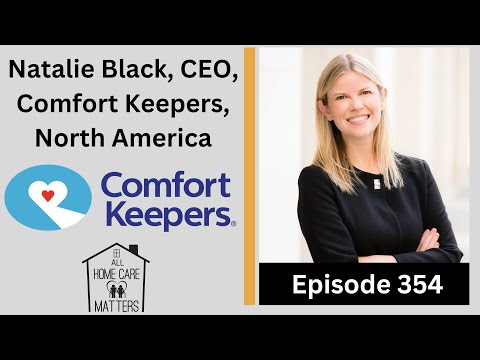 Natalie Black the CEO of Comfort Keepers for North AmericaThis video highlights the importance of proper training for home care workers, which reinforces the COPE program’s value in equipping family caregivers with professional-level skills.
2 more videos
 34. Introduce and Integrate a Caregiver: Six Essential Tips / Alzheimer’s and Other DementiasThis video provides practical tips for introducing a new caregiver into your home, which is useful when you need respite care or additional help as recommended by COPE.
 149. Caregiver Tips: How To Prioritize Dementia Caregiver WellnessThis video offers concrete strategies for prioritizing your own health, directly supporting the COPE program’s core message that caregiver well-being is essential to sustainable care.
Background
What Is the COPE Program and Why Does It Work?
The COPE program is a home-based, skill-building intervention that was originally tested in a randomized controlled trial and later successfully embedded into real-world Medicaid home and community-based service programs. Its core idea is that dementia caregiving is a learnable skill, not something you should just have to figure out on your own. The program teaches you a range of nonpharmacological strategies, meaning approaches that do not rely on medication, to address common dementia symptoms like agitation, wandering, or difficulty with daily tasks. These strategies include how to communicate more effectively, how to simplify the environment to reduce confusion, and how to break down activities into smaller, manageable steps. The program is tailored to your specific situation and your loved one’s stage of dementia, which is crucial because what works today may need to be adjusted tomorrow.
How COPE Builds Your Confidence and Well-Being
Caregivers who participate in COPE report significant improvements in their own well-being and confidence. This happens because the program directly addresses the top unmet needs that family caregivers face: keeping the care recipient safe at home, managing emotional and physical stress, finding easy activities to do together, and carving out time for yourself. By giving you a clear, step-by-step framework, COPE reduces the sense of chaos and helplessness that often leads to burnout. You learn to see yourself as a capable manager of care, not just a person reacting to crises. The program also emphasizes the importance of your own health, encouraging you to get enough sleep, eat well, and seek respite care, because your well-being is essential to providing sustainable care. As one study found, caregivers who used COPE felt more confident in using a range of nonpharmacological strategies and were better able to keep their family member at home longer.
Why COPE Is Different from Just Reading Advice Online
Many caregivers turn to the Internet or their doctors for information, but these sources often provide generic tips that don't fit your unique situation. COPE is different because it is delivered in your home by a trained professional (often an occupational therapist or nurse) who observes your daily routines and works with you to create a personalized plan. The program is flexible and adjusts as dementia progresses, so you are never left with outdated advice. It also considers the needs of both you and your loved one, not just one or the other. This dual focus is critical: when you feel supported and skilled, your loved one benefits from calmer, more consistent care. The program’s success in real-world settings, like state Medicaid programs, shows that it is not just a research idea; it is a practical tool that can work for families like yours.
Practical tools
4
'One-Step-at-a-Time' Communication Script
When your loved one is confused or resistant, say: 'First, let's [single action].' Wait for completion, then: 'Now, let's [next action].' This breaks overwhelming tasks into manageable steps and reduces resistance.
Evening Progress Log
Each evening, write one improvement and one difficulty. Bring it to sessions to troubleshoot and track your growth over weeks.
Home Environment Simplification Worksheet
Complete and implement before next session.
Weekly 'You' Activity Planner
Write your self-care activity, date/time, backup person's name and number, and the reminder that self-care is part of caregiving.
Different situations
For Lewy body dementia or Parkinson’s disease dementia
Focus extra attention on the environment: remove clutter and ensure good lighting, as visual hallucinations and sensitivity to visual stimuli are common. Use the COPE coach to practice communication strategies that avoid arguing about hallucinations (e.g., say ‘I see you’re upset’ instead of ‘That’s not real’). Also, monitor for sudden changes in alertness, which may require medical attention.
For late-stage dementia (bedbound or minimal verbal communication)
Shift the COPE focus from skill-building for daily tasks to comfort care and sensory engagement. Use the coach to learn how to provide gentle range-of-motion exercises, offer favorite foods in pureed form, and use calming touch or music. Your own well-being becomes even more critical, schedule respite care for at least two hours weekly to prevent burnout.
For adult children caregivers (caring for a parent)
You may face additional stress from balancing work, your own family, and caregiving. Use the COPE program to create a ‘care team calendar’ that includes siblings or other relatives, even if they live far away (they can handle phone calls or bill paying). Be clear with the coach about your time constraints so they can prioritize the most impactful strategies. Also, consider joining a support group specifically for adult child caregivers.
For spousal caregivers (caring for a husband or wife)
The emotional bond is different, you are losing a partner, not just a parent. The COPE program can help you reframe your role from ‘spouse’ to ‘care partner,’ which may feel painful but is necessary. Use the coach to practice communication that preserves dignity (e.g., ‘Let’s do this together’ instead of ‘I need to help you’). Prioritize your own health aggressively, as spousal caregivers are at higher risk for depression and physical illness. Seek couples counseling if available.
If your loved one is in a facility (nursing home or assisted living)
Even if your loved one lives in a facility, you can still use COPE skills during visits. Ask the facility’s social worker if they offer a version of COPE or similar training for family members. Focus on communication strategies to reduce agitation during visits, and use the ‘activity adaptation’ list to suggest meaningful activities to staff. Your own well-being is still vital, attend a caregiver support group to connect with others in your situation.
For the doctor
5
- Ask your loved one’s doctor if the COPE program is covered by your state’s Medicaid home and community-based services waiver. Coverage varies by state.
- Discuss any new medications or changes in behavior with the doctor before adjusting the COPE strategies. Some behaviors may have a medical cause (e.g., infection, pain) that needs treatment first.
- If you feel overwhelmed, depressed, or have thoughts of harming yourself or your loved one, tell your doctor immediately. They can refer you to a mental health professional or crisis services.
- Ask the COPE coach or your doctor about respite care options that are safe and appropriate for your loved one’s stage of dementia. Some programs offer vouchers or low-cost services.
- Before making major changes to your loved one’s daily routine (like moving furniture or changing mealtimes), check with their doctor or occupational therapist to ensure it is safe, especially if they have balance or swallowing issues.