Step by step
What not to do
- Don't skip the practice part of training because you think you already know how to help. Many caregivers assume their instincts are correct, but dementia changes how a person perceives touch and movement. Without practice, you may accidentally startle or upset your loved one.Instead, commit to practicing each skill at least three times during the training.
- Don't rush through the simulation or try to do everything at once. It's easy to feel overwhelmed and want to learn all the skills quickly, but this leads to confusion and poor technique.Instead, focus on mastering one skill per session, like hand-under-hand, before moving to the next.
- Don't practice only when you're calm and rested. Real caregiving happens when you're tired, stressed, or running late. During training, intentionally practice a skill while simulating a stressful scenario, like a time limit or a noisy environment, so you build resilience for real life.
- Don't dismiss the training as 'just for professionals.' Many family caregivers think these courses are only for nurses or aides, but one source emphasizes that the skills are 'so applicable to anybody' and can change how you approach every interaction. Sign up for a course designed for family caregivers or ask a local memory care facility if you can join their training.
- Don't practice alone without feedback. It's tempting to watch a video and try the skill on your own, but without someone to correct your form, you may reinforce bad habits.Instead, find a practice partner, another caregiver, a friend, or a coach, and take turns giving gentle feedback.
- Don't give up after one attempt if it doesn't go well. The first time you try hand-under-hand, your loved one might pull away or seem confused. That's normal. One caregiver shared that after taking a course, they had 'much more patience' and felt 'better equipped to handle' their mom, even though she was still a challenge. Keep practicing, and the skill will improve.
Key points
- Hands-on simulation training builds practical skills like hand-under-hand and slow approach that directly improve care and reduce stress.
- Practice with feedback is essential, watching videos alone is not enough to master dementia care techniques.
- These skills are not just for professionals; family caregivers benefit greatly from hands-on practice in a safe setting.
- Simulation training helps you see caregiving from your loved one's perspective, reducing frustration and improving your relationship.
- Start with one skill, practice it in different scenarios, and reflect on what works before moving to the next technique.
- Look for training programs that include live practice, whether in person or through virtual certification courses with forums and coaching.
Videos
 SUP! Incremental Changes and Early Results with PAC SkillsThis video shows real examples of how practicing Positive Approach to Care skills, like hand-under-hand, leads to immediate improvements in caregiving interactions. It's a great motivator for starting your own practice.
 What Is Mindfulness For Caregiver Well-being? - Dementia Help HubMindfulness is a key skill to practice alongside hands-on techniques. This video explains how to stay calm and present during caregiving, which helps you use your simulation training more effectively.
 Can Dementia Guidance Help Reduce Caregiver Burnout? | TestThis video discusses how structured guidance, including hands-on training, can reduce burnout. It reinforces the importance of practicing skills to build competence and confidence.
 How Do Caregivers Cope With Loss Through Therapy?Therapy and support groups are important complements to hands-on training. This video explores how to process the emotional challenges of caregiving, which can make your practice sessions more effective.
2 more videos
 Caregivers Ask: How Can I Manage When My Elderly Parent With Dementia is Taking Advantage of Me?This video addresses common caregiver frustrations and offers strategies that align with hands-on training. It helps you practice setting boundaries while using gentle techniques.
 How PAC Training Can Enhance Any Standardized ApproachThis video explains how Positive Approach to Care training can be layered onto existing care protocols. It's useful for certified senior advisers looking to integrate simulation into their facility's training.
Background
Why Hands-On Training Matters for Dementia Care
Dementia is a brain disease that changes how a person thinks, moves, and responds to the world. As one source explains, 'you are providing care to someone with brain damage', this means your usual ways of helping may not work. Hands-on simulation training gives you a chance to practice new techniques in a low-pressure environment, so you can learn what actually helps before you're in a stressful real-life situation. This kind of training is not just for professionals; it can 'really make a difference in our care for family members as well,' as one caregiver noted. By physically practicing skills like hand-under-hand or slow, calm approaches, you build muscle memory and confidence that translate directly to better care at home or in a memory care facility.
How Simulation Changes Your Approach
When you practice hands-on skills, you start to see caregiving differently. Instead of reacting with frustration when your loved one resists help, you learn to step back and see things from their perspective. One trainer describes it as imagining you're in a foreign country and someone rushes at you to help, it would be scary. But if that person approaches slowly, smiles, and uses gentle gestures, you'd feel safer. Simulation training teaches you these small but critical adjustments. It also helps you realize that many skills, like hand-under-hand, work not just for people with dementia but for anyone who needs gentle assistance, even children. This shift in perspective can reduce your own stress and improve your relationship with the person you care for.
The Research Behind Practice-Based Learning
Studies show that competency-based training, which includes hands-on practice, significantly boosts dementia knowledge and skills in home care workers. This kind of training goes beyond reading or watching videos, it requires you to actually do the skill, get feedback, and try again. For family caregivers, this is especially important because most have never received any formal education in caregiving. One source notes that the top unmet needs of caregivers include keeping care recipients safe at home and managing emotional stress. Hands-on simulation directly addresses these needs by giving you concrete tools to try, so you feel more capable and less overwhelmed. It also helps you recognize early signs of burnout, allowing you to seek help before reaching a crisis point.
Practical tools
6
Hand-Under-Hand Technique Script
This is a simple phrase and motion to use when offering assistance. Say: 'I'm going to help you with this. Let me put my hand under yours so we can do it together.' Then, slide your hand gently under their hand, palm up, and guide their hand to the task (like holding a cup or buttoning a shirt). Practice this in simulation until it feels smooth and natural. It shows you care without grabbing or controlling.
Slow Approach Checklist
Before approaching your loved one, run through this mental checklist:
Practice this checklist during simulation until it becomes automatic.
Simulation Practice Partner Agreement
Find another caregiver or a friend to practice with. Agree to take turns being the 'caregiver' and the 'person with dementia.' The person playing the care recipient can gently resist or act confused to make the practice realistic. After each round, give one piece of positive feedback and one suggestion for improvement. This builds skill in a safe, supportive environment.
Post-Practice Reflection Journal
Keep a small notebook or digital note where you write down after each practice session:
Reviewing these notes before your next training session helps you track progress and stay motivated.
Online Certification Course Waiting List
If you can't find a local hands-on training, sign up for a certification program like Teepa Snow's PAC or the Certified Caregiving Specialist training mentioned in the sources. These programs often include live virtual practice sessions, forums for questions, and ongoing access to materials. One source notes that the course 'prepares me on interacting with strangers, navigating family issues, my own frustrations with dementia, and taking care of myself.'
Memory Care Facility Training Invitation
If you're a family caregiver with a loved one in a memory care facility, ask the director if you can attend their staff training sessions. Many facilities offer family training days or allow family members to observe simulation exercises. This gives you access to professional-grade practice and connects you with the care team.
Different situations
For a family caregiver of someone in early-stage Alzheimer's
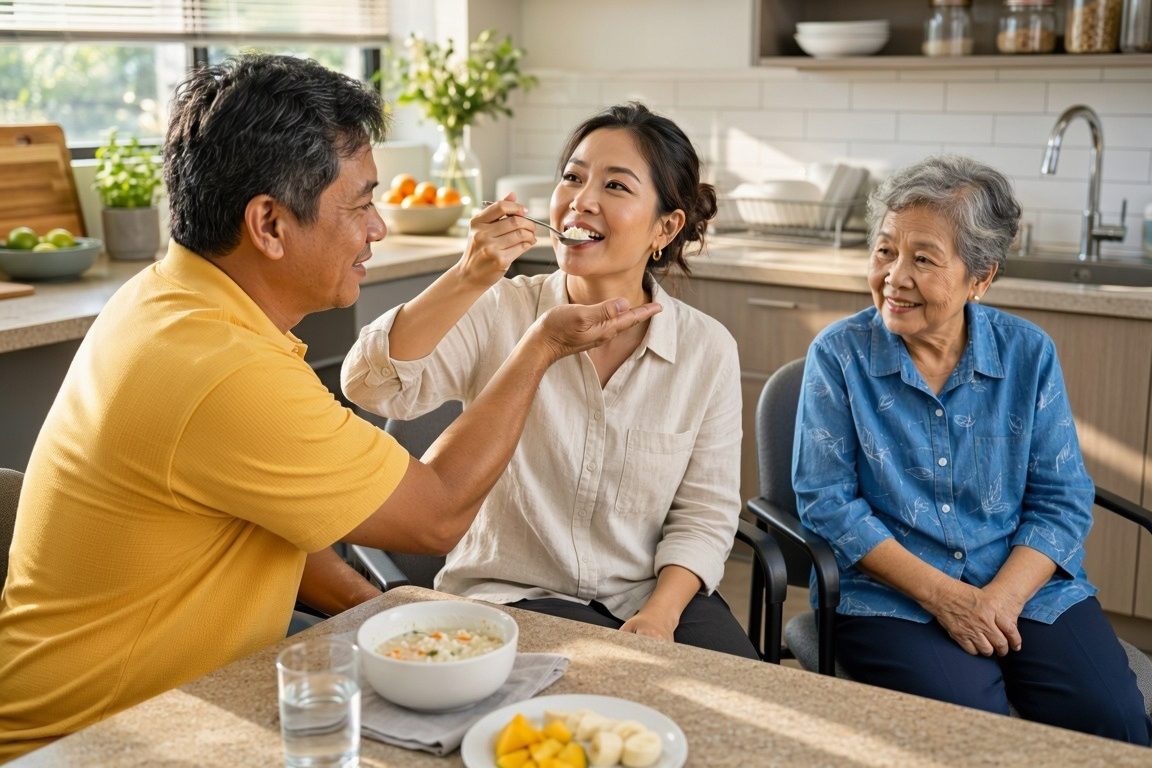
Focus on practicing communication skills, like how to ask yes/no questions and how to use hand-under-hand for simple tasks like eating or dressing. The training should emphasize building a positive relationship now, before more challenging behaviors arise. Use the simulation to practice patience and redirection, as your loved one may still be aware of their diagnosis and feel frustrated.
For a family caregiver of someone in late-stage dementia
Prioritize skills for safety and comfort, such as how to assist with transferring from bed to chair using hand-under-hand, and how to respond to agitation without escalating. Practice these skills in a quiet, low-stimulation environment during simulation. Also, include a module on recognizing signs of pain or discomfort, as your loved one may not be able to communicate verbally.
For a certified senior adviser working in a memory care facility
Focus on training that includes all staff, not just CNAs and nurses. As one source emphasizes, 'dining and maintenance and the housekeeping everybody who touches that person should have a basic training.' Practice skills like hand-under-hand and slow approach with different team members, and create a culture where everyone uses the same techniques. Also, include simulation scenarios for handling wandering, aggression, and falls.
For a spouse caregiver who lives with the person with dementia
The training should address the emotional toll of caregiving 24/7. Include simulation exercises that practice self-care, like taking a mindful moment before responding to a difficult behavior. One source notes that mindfulness helps caregivers 'notice their thoughts and feelings without reacting automatically.' Practice stepping away for 60 seconds to breathe before re-engaging. Also, practice asking for help from family or respite services.
For a caregiver in a low-income or rural setting with limited access to training
Look for free online simulation videos or webinars that include guided practice. Many certification programs offer sliding-scale fees or scholarships. Also, consider forming a small caregiver support group that meets weekly to practice skills together using online resources. One source suggests that 'professional support programs and community resources tailored to dementia caregiving can provide further relief' and may be available through local Area Agencies on Aging.
For the doctor
5
- Ask your doctor or a dementia specialist: 'Are there any hands-on training programs in our area that you recommend for family caregivers?'
- Discuss with your clinician: 'My loved one has a history of agitation during personal care. Are there specific simulation techniques I should practice to reduce this risk?'
- Ask: 'Given my loved one's specific diagnosis (e.g., Lewy body dementia, vascular dementia), are there any modifications I should make to the hand-under-hand or slow approach techniques?'
- Discuss: 'I'm feeling overwhelmed and considering a certification course. Is there any evidence that hands-on training reduces caregiver burnout or improves outcomes for my loved one?'
- Ask: 'Are there any medical or safety concerns I should be aware of before practicing transfer or mobility skills during a simulation training?'