Step by step
What not to do
- Do not watch while multitasking or distracted.
- Do not measure your caregiving against the stories on screen. Use them as mirrors, not yardsticks.
- Do not expect the documentary to solve practical problems like medications or bathing. Its purpose is emotional validation, follow up with professionals or support groups for concrete help.
- Do not rush straight back into caregiving duties when the credits roll. Give yourself at least 15 quiet minutes to let the feelings settle.
Key points
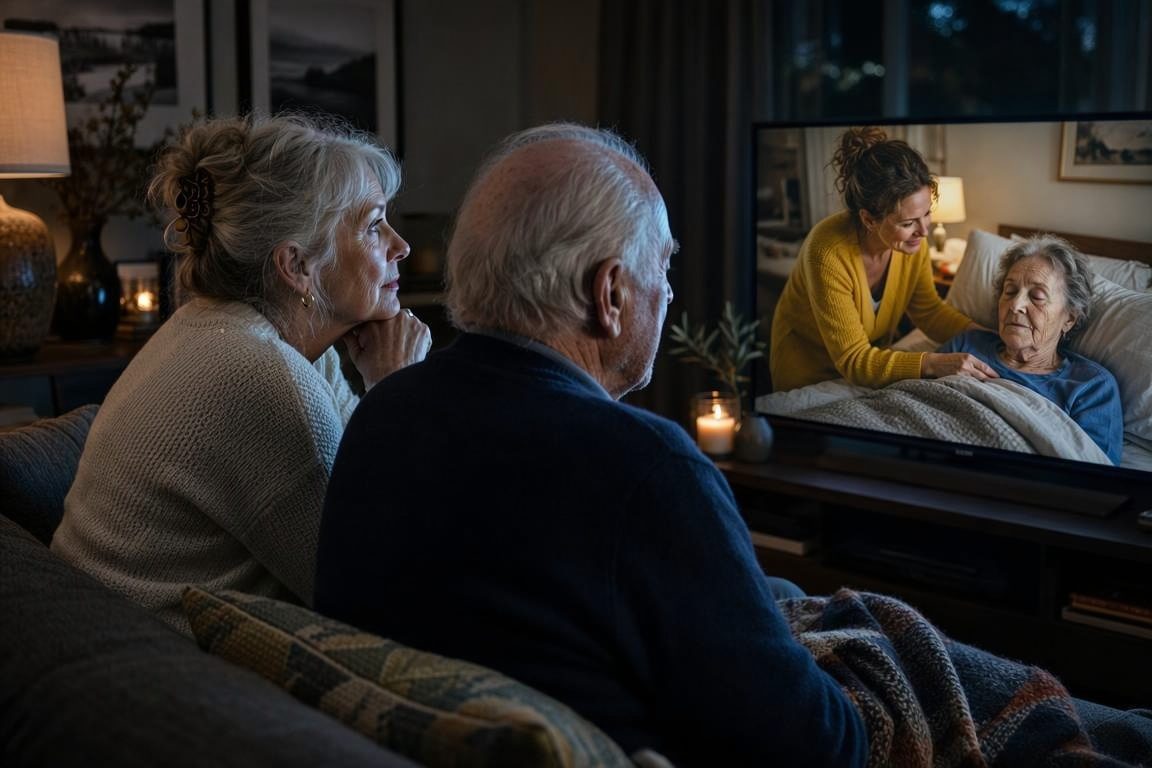
- Documentaries made by and for parent caregivers offer a rare form of validation by showing real, unpolished stories that mirror your own experience.
- Watching such a film can reduce feelings of isolation by confirming that your struggles are shared and normal.
- To get the most benefit, watch the documentary in a focused, uninterrupted setting and take time afterward to reflect and process your emotions.
- Use the film as a conversation starter with family or friends to help them understand your world and build a support network.
- Your role as a parent caregiver is worthy of attention and recognition, a documentary can be a powerful tool to remind you of that.
Videos
 Tom K. & Amanda Dyer Directors of Unseen: How We're Failing Parent Caregivers & Why It MattersThis film specifically focuses on parent caregivers as a unique, often overlooked group. The directors discuss how they struggled to find data on parent caregivers, making this documentary a vital tool for validation.
 Kitty Norton Director of 'Wine, Women, & Dementia'Kitty Norton's film is a raw, caregiver-led documentary that intentionally excludes professionals and statistics. It is designed to make caregivers feel that their journey is worth being the focus of media, offering deep emotional validation.
 Are You Part of the Sandwich Caregiver Generation?This video addresses the unique challenges of sandwich generation caregivers, who are often invisible in mainstream media. It can help you feel seen if you are juggling care for a parent and children.
 Unlocking Your Best Caregiver Self: 3 StepsAfter watching a documentary for validation, this video offers a practical framework for envisioning the caregiver you want to become, helping you move from feeling seen to taking empowered action.
2 more videos
 How Can Peer Support Combat Caregiver Isolation?This video explains the mechanism of peer support and validation, reinforcing why watching a documentary with real caregiver stories can reduce feelings of loneliness and burden.
 Navigating the Emotional Terrain of Caregiving: Understanding and Overcoming Caregiver GuiltDocumentaries often bring up feelings of guilt. This video helps you understand and address that guilt, making the validation from the film more complete and healing.
Background
The Hidden Weight of Being a Parent Caregiver
Caring for a parent is a role that often goes unrecognized. Unlike caring for a child, which society celebrates with baby showers and parenting classes, parent caregiving is frequently a private, unacknowledged struggle. Many parent caregivers report that they are not even treated as a unique group in research or media, making it hard to find data or stories that reflect their specific challenges. This invisibility can leave you feeling like your daily efforts, managing medications, navigating doctor visits, handling emotional meltdowns , are happening in a vacuum, with no one truly understanding the weight you carry.
Why a Documentary Feels Different from Statistics or Advice
When you search for help online, you often find charts, diagrams, and professional advice. While useful, these resources rarely capture the raw, messy, and deeply personal reality of caregiving. A documentary film that features real caregivers telling their own stories, without corporate funding or a polished agenda , offers something different. It shows you that your feelings of guilt, exhaustion, and even resentment are normal. As one filmmaker put it, the goal is to let caregivers finally feel like their journey is worth being the focus of a piece of media. This kind of storytelling can break through the isolation because it confirms that what you are experiencing is real and shared.
Validation Through Shared Experience
The core mechanism behind the relief you feel when watching such a film is validation. When you hear another caregiver describe the same sleepless night, the same frustration with a parent who refuses help, or the same guilt about not doing enough, it sends a powerful message: you are not alone. Peer support, even through a screen, directly combats caregiver isolation by connecting you with others walking a similar path. This shared understanding reduces feelings of loneliness and burden, reminding you that your role is both vital and challenging, and that it is okay to feel overwhelmed.
Practical tools
2
Your Personal Validation Notebook
A small notebook reserved for capturing exact phrases, scenes, or feelings from the documentary that make you think 'that is me.' Write during the film and again in a 10-minute post-viewing reflection answering:
Revisit the notebook whenever you feel unseen or overwhelmed, it becomes tangible proof your experience is real and shared.
Conversation Starters for Sharing the Experience
For a trusted friend or caregiver group: 'I just watched a documentary about parent caregivers, and for the first time I felt like someone understood what I go through. Can I share one part that really hit me?' For a family member who doesn't grasp your role: 'This film really helped me feel seen. I would love for you to watch it with me so you can understand my world a little better', then ask afterward, 'What surprised you? What did you learn about what I do?'
Different situations
If you are caring for a parent with dementia (Alzheimer's, Lewy body, frontotemporal)
Look for documentaries that specifically focus on dementia caregiving, such as 'Wine, Women, & Dementia' by Kitty Norton. These films often address the unique challenges of memory loss, personality changes, and the grief of losing your parent while they are still alive. The validation will be more targeted to your daily reality.
If you are a sandwich generation caregiver (caring for both a parent and children)
Seek out documentaries that include stories of sandwich caregivers. The film 'Unseen: How We're Failing Parent Caregivers' may touch on this. Your experience of juggling two generations is distinct, and seeing that reflected can help you feel less torn. After watching, consider joining a support group for sandwich caregivers.
If you are caring for a parent long-distance
Documentaries can be especially powerful for you because they offer a window into the daily reality that you may not witness firsthand. Pay attention to stories about the hidden labor of coordinating care from afar. Use the film to help local family members understand what you manage remotely.
If you are in the early stages of caregiving and feeling overwhelmed
A documentary can help normalize your feelings of being unprepared. Many parent caregivers report having no formal education in caregiving, and the film can validate that you are learning on the job. Focus on the stories of caregivers who started where you are now.
If you are a spouse or partner caring for a parent (in-law or your own)
Your role is often doubly invisible, you are not the adult child, but you are deeply affected. Look for documentaries that include the perspectives of in-laws or partners. Your experience of supporting your spouse while also caring for a parent is valid and deserves recognition.
For the doctor
2
- If watching the documentary triggers intense feelings of depression, anxiety, or hopelessness that persist for more than a few days, discuss these feelings with your primary care physician or a mental health professional. They can help you determine if additional support, such as therapy or medication, is appropriate.
- If the documentary makes you realize that your caregiving responsibilities are affecting your own physical health (e.g., sleep loss, weight changes, high blood pressure), talk to your doctor about a caregiver assessment. Your physician can help identify your level of burden and connect you with resources like respite care or support groups.