Step by step
What not to do
- Don't expect immediate adjustment. Transition can take weeks or months; a bad visit doesn't mean placement was wrong.
- Don't visit every day for hours. Keep visits 30–60 minutes and vary timing to avoid overwhelming your loved one or disrupting facility routine.
- Don't complain without offering solutions. Frame issues as team problems: 'I noticed Dad's shirt is dirty, can I help with the laundry schedule?'
- Don't assume one conversation is enough. New staff rotate in; keep a written summary handy and update it regularly.
Key points
- Your role shifts from hands-on caregiver to advocate and partner with the care team.
- Create a one-page 'All About Me' profile to share your loved one's history, preferences, and routine with staff.
- Communicate regularly with the facility using a consistent check-in script to stay informed without being intrusive.
- Visit at varied times and bring familiar objects to create comfort and connection.
- Be patient, adjustment can take days to months; don't panic if the first weeks are hard.
- Take care of yourself: join a support group, rest, and pursue your own interests. You matter too.
Videos
 Michala Gibson & Mandy Shoemaker Founders of Prairie Elder Care and ConnectivitiesHear from founders who discuss the importance of family partnership and how to stay connected after placement.
 Dementia Care Podcast #44: Benefits of Dementia Care Facilities & the Right Time to Move a Loved OneExplores the benefits of facility care and how families can remain involved in a positive way.
 Signs Parents Need Memory CareHelps you recognize when a move is needed and how to prepare for the transition.
 Is Your Loved One Ready for a Dementia Care Facility?Provides guidance on assessing readiness and what to expect during the move-in process.
2 more videos
 Things to consider when looking for a nursing home or other care facilityOffers a checklist of questions to ask facilities to ensure they support family involvement.
 Can't visit your LOWD? 5 tips for staying connected during COVID-19 lockdownPractical tips for maintaining connection when in-person visits are limited or not possible.
Background
Your Role Has Shifted, Not Ended
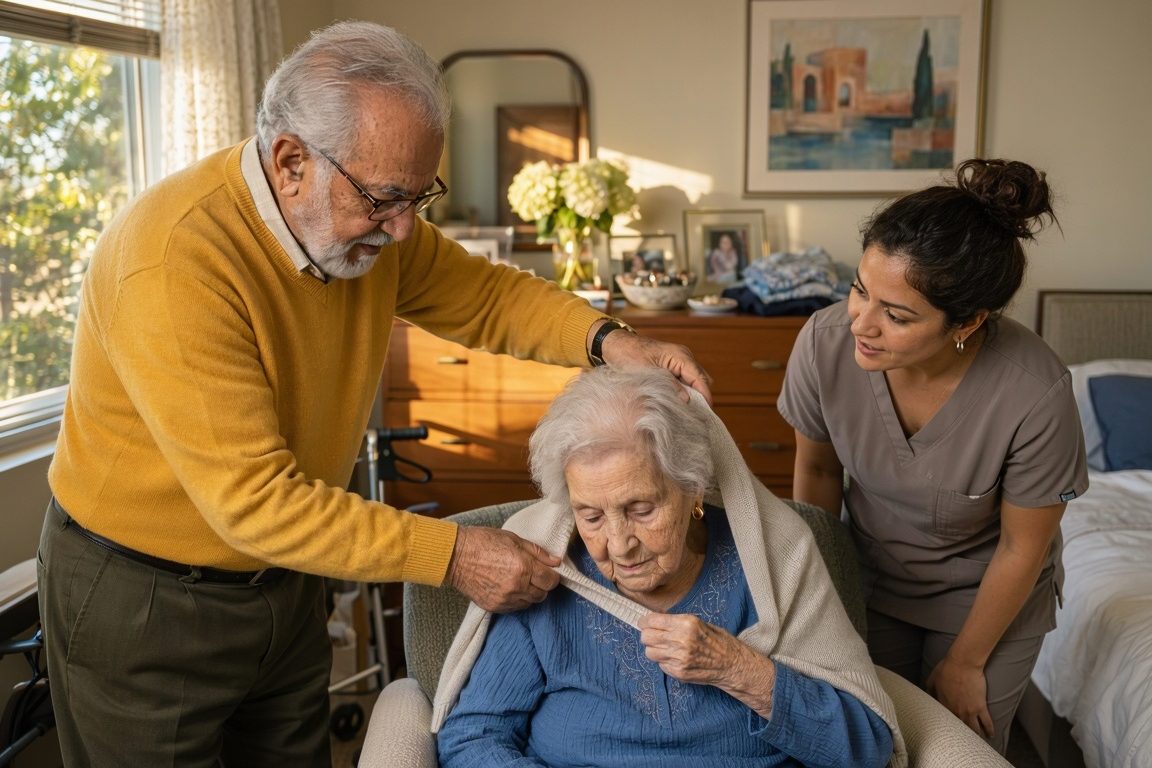
When your loved one moves into a facility, it's easy to feel like you've handed over all responsibility. In reality, your role has changed from being the primary hands-on caregiver to being their advocate, historian, and emotional anchor. The facility staff are experts in daily care, but you are the expert on your loved one's life story, preferences, habits, and what brings them comfort. This partnership is essential for their well-being. Many families worry they will be seen as 'getting in the way' or 'bothering' the staff, but a collaborative relationship benefits everyone, especially your loved one.
The Emotional Transition for You and Your Loved One
The move is a huge adjustment for both of you. Your loved one may not 'blossom' right away; they might be confused, withdrawn, or even angry. This does not mean the placement was wrong. It often takes days to months for a person to settle into a new routine, especially if they have dementia. At the same time, you may feel a void in your own day, caregiving occupied so much of your time and energy that now you're left wondering what to do with yourself. This is a normal part of the transition. You need support too. Joining a dementia support group can provide friendship, knowledge, and a space to process these feelings.
Building a Partnership with the Care Team
The key to a successful partnership is clear, respectful communication. The staff want what is best for your loved one, but they can't know everything without your input. You are the bridge between your loved one's past and their present. By sharing their likes, dislikes, routines, and life history, you help the staff provide truly person-centered care. This also means being proactive: ask to be included in care planning meetings, request updates on changes in condition, and don't be afraid to ask questions. A good facility will welcome your involvement and see you as a partner, not a nuisance.
Practical tools
3
All About Me One-Page Profile
A single page with photo, preferred name, daily routine, favorite foods, hobbies, calming phrases, and brief life story. Laminate and give copies to care team; update every few months.
Weekly Check-In Script
Call the nurse's station saying: 'Hi, this is [name], [loved one]'s daughter. I'm calling for my weekly check-in.
'
Transition Journal
A small notebook recording observations from each visit (e.g., 'Ate half her lunch,' 'Smiled when I played Sinatra') and questions for staff. Tracks patterns and supports specific communication with the team.
Different situations
For a loved one with Lewy body dementia (LBD)
People with LBD often have fluctuating cognition, visual hallucinations, and sensitivity to medications. When visiting, be prepared for good days and bad days. Don't argue about hallucinations; instead, validate their feelings ('That must be scary for you'). Share with staff that they may need a consistent routine and that antipsychotic medications can be dangerous. Ask the facility if they have experience with LBD.
In late-stage dementia
Your loved one may be non-verbal or bed-bound. Your role shifts to providing comfort through presence, gentle touch, and familiar sounds. Visit at times when they are most alert. Bring a soft blanket or play their favorite music. Communicate with staff about pain management, positioning, and skin care. You are still their advocate, ask about pain, hunger, and comfort measures.
For an adult child vs. a spouse
Adult children often feel guilt and may overcompensate by visiting too much or being overly critical. Spouses may feel a deep sense of loss and loneliness. If you are a spouse, consider joining a spousal support group. If you are an adult child, remind yourself that you are still a loving family member, not the primary caregiver. Both roles need to find a new balance that includes self-care.
If your loved one is in a memory care unit vs. assisted living
Memory care units are more structured and secure. Visits may need to be scheduled around their routine. Staff are trained in dementia care, so lean on their expertise. In assisted living, your loved one may have more freedom but also more risk. Be extra vigilant about wandering, falls, and medication management. In both settings, ask about the facility's approach to family involvement and care planning.
If you are using Medicaid or have limited financial resources
Not all facilities accept Medicaid, and those that do may have waiting lists. Start the placement process early, as it can take months to years. Work with a senior placement agency that knows your area's resources. Once placed, your role as advocate is even more critical: Medicaid facilities may have higher staff turnover, so your consistent presence and communication are vital.
Common questions
4
How can family caregivers help reduce the risk of delirium and cognitive decline around surgery?
Visit at varied times and bring familiar objects like a favorite blanket or photo album to create comfort and connection, which can help reduce confusion and disorientation.
What practical problems might I face after my parent enters a skilled nursing facility?
You might feel lost or guilty, and face challenges like adjusting to a new routine or feeling unsure how to stay involved; start by creating a one-page 'All About Me' profile to share your loved one's preferences with staff.
What life changes do adult children experience when a parent with dementia moves to a nursing home?
Expect emotional shifts like relief mixed with guilt, and practical changes like less daily caregiving but more time for advocacy and your own rest; joining a support group can help you navigate these changes.
How can family caregivers and facility staff work together to improve care?
Share a one-page 'All About Me' profile with your loved one's history and routine, and use a consistent check-in script to communicate with staff regularly, this builds partnership and ensures your loved one's needs are understood.
For the doctor
4
- Ask your loved one's primary care physician: 'How often should I expect updates from the facility about her medical condition? Who should I contact if I have concerns about her medications or symptoms?'
- If your loved one has a history of falls or agitation, ask the doctor: 'What specific changes in behavior or physical condition should I watch for and report to the facility immediately?'
- Discuss with the facility's medical director or nurse: 'What is the protocol for pain management, especially if my loved one cannot communicate pain verbally?'
- If your loved one is on multiple medications, ask the pharmacist or doctor: 'Is there a risk of drug interactions or side effects that could be mistaken for dementia symptoms?'