Step by step
What not to do
- Do not assume full vaccination eliminates all risk; continue masks, distancing, and testing.
- Do not visit if you have any symptoms or recent known COVID-19 exposure.
- Do not bring children who may have been exposed to others since they can spread the virus without symptoms.
- Do not force participation in activities your loved one does not understand or enjoy.
- Do not skip testing because everyone feels fine; asymptomatic spread is possible.
- Do not project sadness about the quiet holiday onto your loved one, they may be content.
Key points
- Test everyone before the visit, even if no one has symptoms. A rapid test is a simple, effective way to catch silent infections.
- Keep gatherings small, short, and outdoors or well-ventilated. Limit to one or two healthy, vaccinated people.
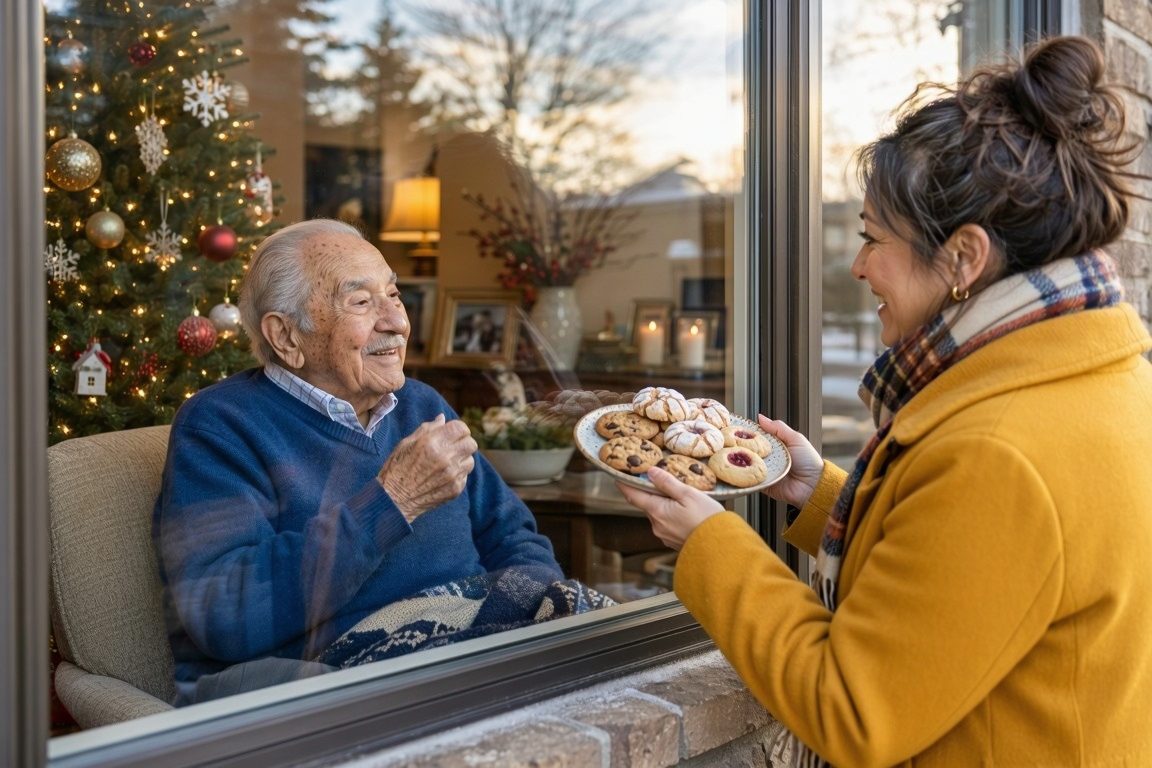
- Adapt traditions rather than abandon them. Window visits, virtual tours, and drop-off meals can be just as meaningful.
- Include your loved one in simple, sensory activities they can enjoy, even if they cannot fully participate.
- Respect your loved one's comfort and autonomy. If they seem overwhelmed, end the visit early. Their well-being comes first.
- Have a plan for what to do if someone becomes ill after the visit, including who will provide care and how to isolate.
Videos
 Caring for SeniorsThis video offers practical advice on balancing safety and connection during the holidays, including tips for communicating with seniors about COVID-19 precautions.
 Tips for Celebrating Christmas in 2020A helpful guide for adapting Christmas traditions to a pandemic, with ideas for low-contact activities and gift-giving that keeps everyone safe.
 Dementia and the HolidaysThis video addresses the unique challenges of celebrating with a loved one who has dementia, including how to manage confusion and agitation while still creating joy.
 Why Do Alzheimer's & Dementia Patients Get Aggressive?Understanding triggers for aggression can help you plan a calm, safe visit. This video explains common causes and how to prevent or de-escalate situations.
2 more videos
 How to enjoy the holidays as a dementia caregiverA caregiver-focused video that offers strategies for reducing your own stress while making the holidays special for your loved one with dementia.
 Alzheimer's & Dementia for the holidaysThis video provides six strategies for including a person with dementia in holiday celebrations without overwhelming them or compromising safety.
Background
Why COVID-19 Is Especially Dangerous for Seniors
Older adults, particularly those aged 65 and above, face a dramatically higher risk of severe COVID-19 illness and death, 60 to 340 times higher than younger adults. This risk is even greater for seniors with dementia, who may struggle to follow prevention measures like hand hygiene, social distancing, or self-isolation due to cognitive impairment. Behavioral symptoms such as wandering or agitation can make it hard for them to stay home, and they may not remember or understand public health recommendations. Additionally, seniors living in community dwellings or receiving home care may have more exposure to caregivers who could unknowingly carry the virus.
How Dementia Compounds the Risk
People with dementia are not only more vulnerable to infection but also to hospitalization and death from COVID-19. Studies show that dementia is linked to a 60% higher risk of infection and a 9% higher risk in nursing homes. Their dependence on others for daily activities and their cognitive challenges mean that even well-meaning family visits can introduce risk. The holiday season, with its gatherings and travel, amplifies these dangers. However, with thoughtful planning, you can reduce exposure while still including your loved one in celebrations.
The Emotional Impact of Holiday Changes
For seniors in care facilities or living at home, the holidays can bring grief over lost traditions and isolation. They may mourn past Christmases spent with family in their own homes. But traditions are deeply important, they provide comfort, connection, and a sense of identity. The key is to adapt, not abandon. You can create new rituals that honor their needs and safety. Remember, your loved one may still enjoy the holiday even if they cannot fully participate in conversations or activities. They might delight in the lights, the smells, or simply being near family.
Practical tools
4
Safe Visit Script
Use gentle, clear phrases: 'We are so excited to see you! To keep everyone healthy, we will wear masks and sit a little apart.' If they resist masks: 'I know it feels different, but it helps me feel safe. Let's wear them together.' For handwashing: 'Let's wash our hands like we're getting ready for a special dinner.'
Holiday Activity Checklist
Plan three low-contact activities:
Have a backup ready for each activity.
Window Visit Setup
Sharing a meal through glass is better than eating alone.
Gift Drop-Off Kit
Prepare a basket with
Leave at the door to minimize contact.
Different situations
If your loved one has dementia and lives at home
Focus on simple, familiar activities. Avoid sudden changes to routine, announce the visit in advance and keep the schedule consistent. Use visual cues like a holiday decoration to signal the occasion. If they have trouble with masks, try a fabric mask with a fun pattern or a face shield. Be patient if they forget safety rules; gently redirect rather than scold.
If your loved one is in a senior living facility
Check the facility's current visitation policy, many allow outdoor or window visits. Coordinate with staff to schedule a time when other residents are not present. Bring a small gift that does not require close contact, like a photo book or a pre-recorded video message. If in-person visits are not allowed, set up a regular video call schedule for Christmas Day.
If you are an adult child visiting a parent
Respect your parent's privacy and autonomy. Ask them what they feel comfortable with, do not assume they want a big gathering. If they are hesitant, honor that. Offer to help with cleaning or meal prep to reduce their stress. Remember, your parent may have different risk tolerance than you; listen to their concerns.
If your loved one has a weakened immune system or other high-risk conditions
Consult their healthcare provider before any gathering. They may recommend additional precautions like pre-visit testing for all attendees, wearing N95 masks, or avoiding indoor gatherings entirely. Consider a virtual celebration as the safest option. If you must visit in person, keep it very short (under 30 minutes) and outdoors if possible.
If your loved one is in the late stages of dementia
Focus on sensory experiences: soft holiday music, the scent of pine or cinnamon, gentle touch (if safe and welcomed). Avoid loud noises or bright lights. Keep the visit very short, 10 to 15 minutes may be enough. Do not expect them to engage in conversation. Your presence alone can be comforting. If they are bedridden, sit nearby and talk softly or hold their hand (with gloves if needed).
For the doctor
5
- Ask your loved one's doctor if they are up to date on all recommended COVID-19 vaccines and boosters, especially if they have a weakened immune system.
- Discuss whether your loved one should receive additional vaccine doses or treatments like monoclonal antibodies if they are at very high risk.
- Ask about any medications your loved one takes that might affect their immune response to the vaccine or increase their risk of severe illness.
- Inquire about the best timing for a holiday visit based on your loved one's current health status and any recent exposures.
- If your loved one develops COVID-19 symptoms after a visit, ask the doctor about antiviral treatments like Paxlovid and when to seek emergency care.