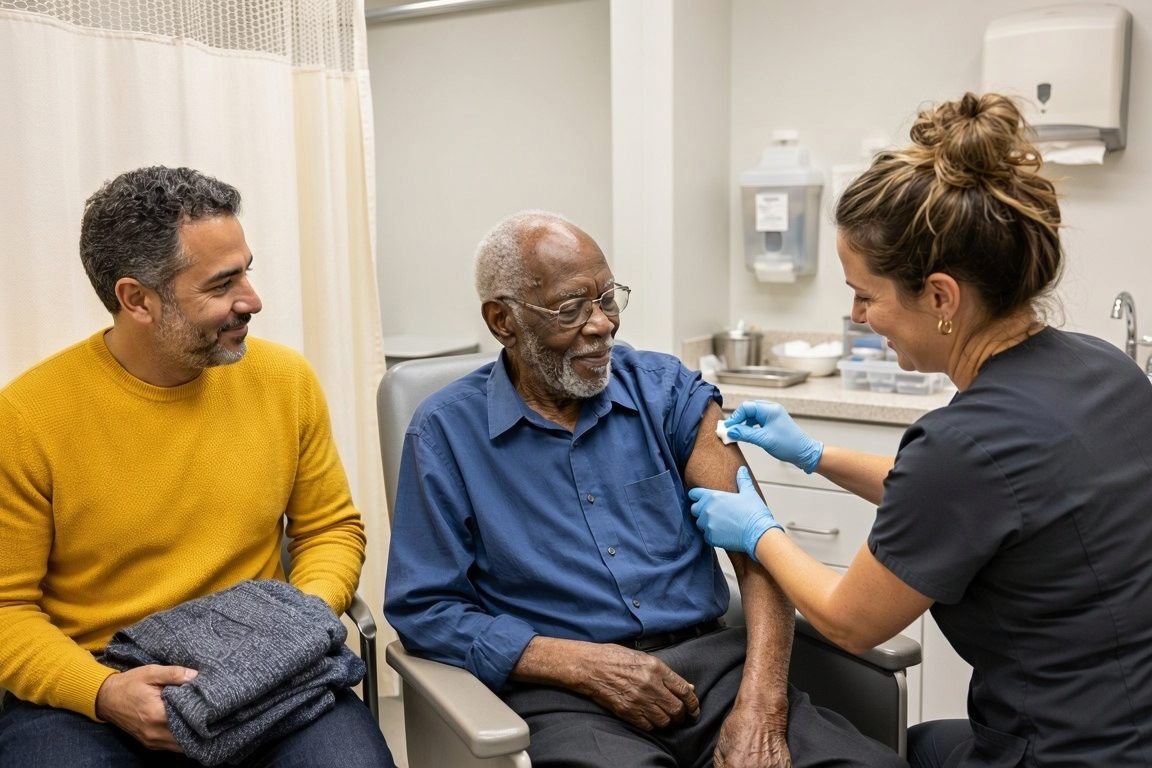
Step by step
What not to do
- Do not assume a past pneumococcal shot still protects, some need a booster or a different type as people age; confirm with the clinician.
- Do not skip the annual flu vaccine; influenza can lead to viral pneumonia, which is especially dangerous for people with dementia.
- Do not wait until your loved one is sick to get vaccinated, vaccines take about two weeks to build full immunity, so plan before flu season.
- Do not let fear of mild side effects prevent vaccination; the risk of severe pneumonia in someone with dementia far outweighs temporary discomfort.
- Do not forget to ask about the shingles vaccine (Shingrix); it is recommended for adults 50+ and recent research suggests it may also lower dementia risk.
- Do not assume vaccines eliminate all pneumonia risk, stay alert to symptoms like new cough, fever, or sudden confusion and seek care promptly.
Key points
- Pneumonia is a leading cause of death in older adults with dementia, but vaccines can significantly reduce the risk.
- The two key vaccines are the pneumococcal vaccine (pneumonia shot) and the annual flu vaccine.
- The shingles vaccine (Shingrix) may also reduce dementia risk and is recommended for adults 50+.
- Check your loved one's vaccine history and schedule a 'vaccine review' appointment with their clinician.
- Vaccines are safe and covered by Medicare/Medicaid; mild side effects are normal and temporary.
- Do not wait until your loved one is sick, plan ahead, especially before flu season.
Videos
 Shingles Vaccine and DementiaThis video explains the link between the shingles vaccine and reduced dementia risk, which is an important consideration for caregivers.
 Allergy Help for SeniorsAllergies can worsen respiratory conditions and increase pneumonia risk; this video offers practical tips for managing allergies in seniors.
 President of Talk About Aging, Janice Goldmintz Discusses the '6 Not-So-Secrets to Successful Aging'This video covers holistic aging strategies, including vaccination, that support overall health and reduce infection risk.
 Seniors and Isolation (Depression and Loneliness Tips)Social isolation can weaken the immune system; this video provides strategies to keep your loved one engaged and healthy.
2 more videos
 Join Us for Problem Solving with PACThis video offers problem-solving approaches for dementia care, including how to handle medical appointments and vaccine discussions.
 Medications Used in Dementia: What Caregivers Should Know | Sarah Mourra MD | UCLAMDChatThis video reviews medications that may interact with vaccines or affect immune response, helping you make informed decisions.
Background
Why Pneumonia Is a Major Risk for Older Adults with Dementia
Pneumonia is a leading cause of hospitalization and death in older adults, and the risk is even higher for people living with dementia. Research shows that individuals with dementia are more than twice as likely to die from pneumonia compared to those without dementia. This is partly because dementia can make it harder to clear the lungs of secretions, and because swallowing difficulties (dysphagia) often develop, leading to aspiration of food or liquid into the lungs, a common cause of pneumonia in this population. Additionally, as dementia progresses, mobility declines, which can weaken the immune system and make the body more vulnerable to infections.
Which Vaccines Are Recommended for Community-Acquired Pneumonia?
For older adults, the two key vaccines are the pneumococcal vaccine (which protects against the most common bacterial cause of pneumonia) and the annual flu vaccine (since influenza can lead to viral pneumonia). The pneumococcal vaccine is typically given as a single shot, but some people may need a second dose depending on their age and health conditions. The CDC recommends that all adults aged 65 and older receive the pneumococcal conjugate vaccine (PCV15 or PCV20) or the pneumococcal polysaccharide vaccine (PPSV23), depending on their vaccination history. The flu vaccine is recommended annually for everyone aged 6 months and older, and it is especially important for older adults with chronic conditions like heart disease, lung disease, or diabetes, all of which are common in people with dementia.
How Vaccines Help Prevent Pneumonia in People with Dementia
Vaccines work by training the immune system to recognize and fight off specific germs before they cause infection. For a person with dementia, preventing pneumonia is crucial because once an infection sets in, it can be harder to treat and can lead to rapid decline. Pneumonia in older adults with dementia often presents without the classic symptoms of fever or cough, making it easy to miss until it is advanced. By getting vaccinated, you are giving your loved one a strong layer of protection that can keep them out of the hospital and maintain their quality of life. Even if they do get pneumonia, being vaccinated can make the illness milder and shorter.
Practical tools
5
Vaccine History Tracker
Create a one-page document listing:
Keep in a folder with medical records, or use MyChart if available.
Clinician Conversation Script
Print these exact phrases: '
'
Vaccine Side Effect Log
After vaccination, note date, vaccine type, and any symptoms (sore arm, mild fever, fatigue). Use a notebook or phone note to track what is normal and when to call the doctor.
Facility Vaccine Checklist
If in a nursing home or assisted living, ask: '
' Write down the answers.
Reminder Calendar
Set a yearly reminder in the fall for the flu vaccine. Also set a reminder to ask about the pneumococcal vaccine every 5 years (or as recommended).
Different situations
Late-stage dementia / bedbound
In late-stage dementia, the risk of aspiration pneumonia is very high. Vaccination is still recommended, but you may need to discuss with the clinician whether the person can safely receive the vaccine (e.g., if they have a severe allergy or are on certain medications). Also, focus on oral hygiene and positioning during meals to reduce aspiration risk.
Living in a long-term care facility
Facilities often have standing orders for vaccines, but you should still advocate. Ask the nursing staff to ensure your loved one receives the pneumococcal and flu vaccines. If they are hesitant, remind them that the CDC recommends these vaccines for all residents. You can also request that the facility document the vaccines in the medical record.
Spouse vs. adult child caregiver
If you are a spouse, you may have more authority to make medical decisions. If you are an adult child, you may need to have a conversation with your parent about their preferences. In either case, bring the vaccine discussion to the clinician together. If your loved one is unable to consent, you may need to provide consent as their legal representative.
Lewy body dementia or Parkinson's disease dementia
People with Lewy body dementia are often very sensitive to medications, but vaccines are generally safe. However, they may be at higher risk for falls or confusion after vaccination due to fever. Monitor them closely for 48 hours after the shot, and contact the clinician if you notice any unusual symptoms.
Medicaid or limited income
Vaccines are covered by Medicare Part B (pneumococcal and flu) and Medicare Part D (shingles). If your loved one has Medicaid, vaccines are also covered. If they are uninsured, community health centers or local health departments often offer low-cost or free vaccines. Call 211 or visit vaccines.gov to find a location.
For the doctor
5
- Ask: 'Is my loved one a candidate for the pneumococcal vaccine if they have had a severe allergic reaction to a vaccine in the past?'
- Ask: 'Can the pneumococcal and flu vaccines be given at the same visit? Are there any interactions with their current medications?'
- Ask: 'If my loved one has had pneumonia before, do they still need the vaccine?'
- Ask: 'Are there any reasons my loved one should NOT get the shingles vaccine, such as a weakened immune system or current illness?'
- Ask: 'How long after the vaccine will my loved one be protected? When should we schedule the next dose if needed?'