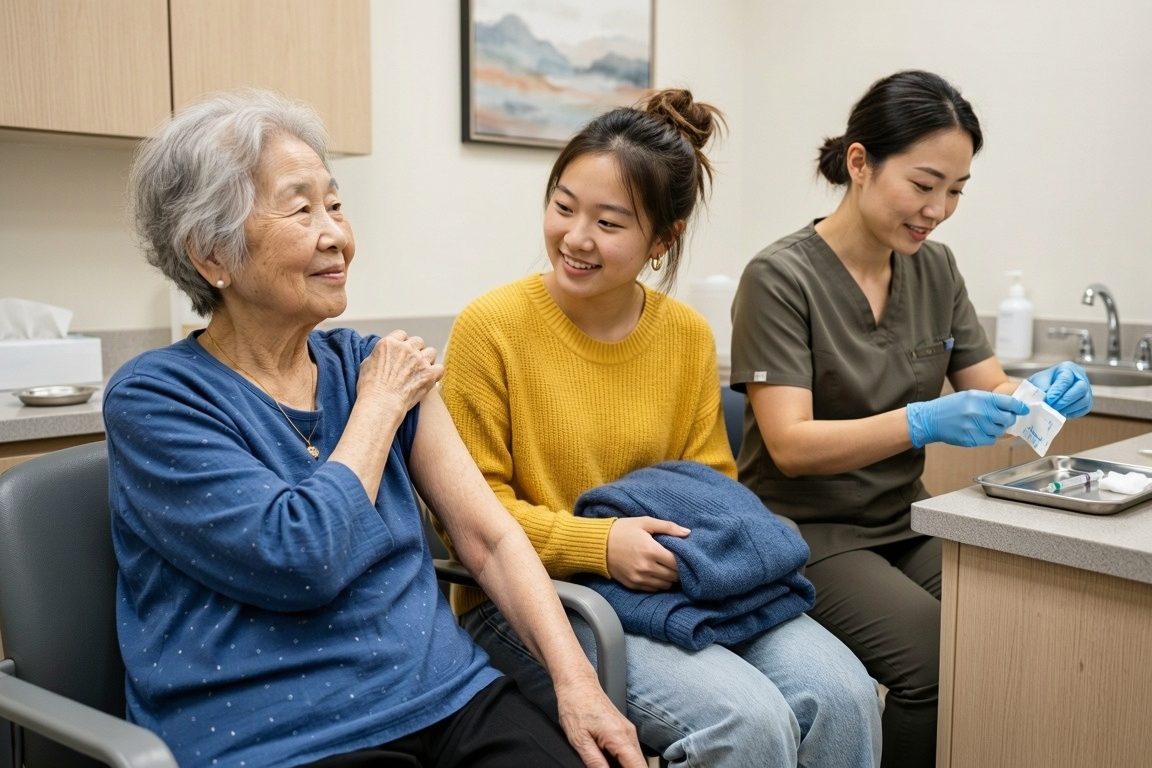
Step by step
What not to do
- Do not rely solely on the vaccine; it is one component among several proven strategies.
- Do not skip checking vaccination history for prior Zostavax or Shingrix doses.
- Do not ignore post-vaccine side effects that may mimic or worsen dementia symptoms.
- Do not neglect untreated hearing, vision, or sleep issues while focusing on the vaccine.
Key points
- A July 2024 Nature study found the Shingrix shingles vaccine was associated with a 17% lower risk of developing dementia over six years and a 164-day delay in diagnosis for those who did develop it.
- The vaccine is already recommended for adults 50+ to prevent shingles; the potential brain benefit is an added reason to consider it.
- This is not a cure or standalone solution, it works best alongside a healthy lifestyle including exercise, Mediterranean diet, managing blood pressure, not smoking, limiting alcohol, treating hearing loss, and getting good sleep.
- Discuss the vaccine with your loved one's clinician, bringing the study information. Plan for possible temporary side effects like soreness and fatigue.
- Do not stop other dementia treatments or lifestyle changes. The vaccine is one piece of a larger puzzle.
- Stay informed about other risk factors: smoking increases dementia risk by 30%, heavy drinking raises risk, and untreated hearing loss is linked to cognitive decline.
Videos
 Shingles Vaccine and DementiaThis video directly explains the July 2024 Nature study, including the 17% risk reduction and 164-day delay, and provides context for how this fits into overall dementia prevention.
 Simple Tips To Lower Dementia RiskThis video offers practical, science-backed lifestyle tips for reducing dementia risk, which complement the shingles vaccine discussion.
 What Is Dementia?A foundational video that explains what dementia is, helping caregivers understand the condition they are trying to prevent or manage.
 What is Dementia?Another clear overview of dementia, useful for caregivers who want a second perspective on the basics.
2 more videos
 What Are The Most Common Risk Factors For Alzheimer's & Dementia?This video covers major risk factors including lifestyle, genetics, and environment, providing context for where the shingles vaccine fits.
 Dr. James Vickers Director of the Wicking Dementia Research & Education CenterAn expert interview discussing dementia risk factors and the importance of a holistic approach, reinforcing that the vaccine is one tool among many.
Background
What the Research Shows About Shingles Vaccine and Dementia
A large study followed over 200,000 Americans aged 65 and older for six years. Researchers found that those who received the newer Shingrix vaccine (not the older Zostavax) had a 17% lower risk of developing dementia during that period. Even among those who did develop dementia, the vaccine delayed the onset of diagnosis by an average of 164 days. This is a significant finding because it suggests that preventing shingles, a painful viral infection, may also protect the brain. The study was published in the prestigious journal Nature in July 2024 and has generated widespread media attention because it offers a potential new way to reduce dementia risk beyond traditional lifestyle changes.
Why This Matters for Early-Stage Dementia Care
For a family caregiver supporting someone in early-stage dementia, every delay in symptom progression is valuable. Even a few months of preserved cognitive function can mean more time for meaningful interactions, planning, and maintaining quality of life. The shingles vaccine is already recommended for adults 50 and older to prevent shingles, a painful condition that can lead to complications like postherpetic neuralgia. If it also offers brain benefits, it becomes an even more compelling preventive measure. However, it's important to understand that this is not a cure or a standalone solution. The research shows an association, not proven cause-and-effect, and the vaccine should be considered as part of a holistic approach to brain health.
The Bigger Picture: How This Fits with Other Risk Reduction Strategies
Dementia risk is influenced by many factors, including genetics, lifestyle, and environmental exposures. The shingles vaccine is just one sliver of the picture. Other well-established strategies include regular exercise, a Mediterranean-style diet rich in fruits, vegetables, and omega-3 fatty acids, managing blood pressure and cholesterol, not smoking, limiting alcohol, treating hearing loss, and getting good-quality sleep. The vaccine does not replace these. Instead, it adds another potential tool to your toolkit. As one expert noted, preventing dementia is likely never going to be one simple, easy, straightforward way, it's going to be a very holistic approach involving many pieces.
Practical tools
5
Study printout
A copy of the July 2024 Nature study on Shingrix and dementia risk to discuss with the clinician.
Vaccination record
Your loved one's immunization history to verify prior shingles vaccine doses (Zostavax or Shingrix).
Acetaminophen
Over-the-counter pain reliever to manage vaccine side effects, only if approved by the clinician.
Hearing test referral
Request from the primary care provider for audiological evaluation if hearing loss is suspected.
Annual eye exam appointment
Scheduled with an optometrist or ophthalmologist to check vision and update prescription glasses if needed.
Different situations
If your loved one has Alzheimer's disease specifically
The study focused on dementia broadly, but Alzheimer's is the most common type. The same advice applies: discuss the shingles vaccine with the clinician. However, if your loved one is already on Alzheimer's medications like donepezil or memantine, ensure the clinician checks for any interactions (though none are known). Continue all Alzheimer's-specific treatments and therapies.
If you are an adult child caregiver vs. a spouse
As an adult child, you may need to coordinate with siblings and the primary care provider. You might say: 'Mom, I read about a vaccine that could help your brain health. Can we talk to your doctor about it together?' If your loved one is resistant, use gentle persuasion: 'This might help you stay sharper longer, which means more time for us to enjoy together.' Spouses may have more direct decision-making authority but should still involve the patient in the conversation as much as possible.
If your loved one lives in a facility or has Medicaid
In a facility, the staff may handle vaccinations. Ask the facility's nurse or medical director: 'Is the Shingrix vaccine available here? Can you help schedule it?' For Medicaid, coverage varies by state. Call the state Medicaid office or the facility's social worker to check if the vaccine is covered. If not, ask about patient assistance programs from the manufacturer (GlaxoSmithKline).
If your loved one has vascular dementia
Vascular dementia is often linked to cardiovascular health. The shingles vaccine may still be beneficial, but prioritize managing blood pressure, cholesterol, and diabetes. The vaccine should be considered alongside these measures. Discuss with the clinician whether the vaccine might reduce inflammation that could affect blood vessels in the brain.
If your loved one is in late-stage dementia
The study focused on prevention, not treatment. For someone already in late-stage dementia, the vaccine may still prevent shingles (a painful condition that could worsen quality of life), but the dementia risk reduction benefit is less relevant. Discuss with the clinician whether the vaccine is still appropriate for shingles prevention, weighing potential side effects against benefits.
For the doctor
6
- Ask your clinician: 'Is the Shingrix vaccine safe for my loved one given their current medications and health conditions? Are there any contraindications we should know about?'
- Ask: 'If my loved one has already had the older Zostavax vaccine, should they still get Shingrix? What is the recommended timing?'
- Ask: 'Could the vaccine interact with any dementia medications or other treatments my loved one is receiving?'
- Ask: 'How should we manage potential side effects like fever or fatigue, especially if my loved one has difficulty communicating discomfort?'
- Ask: 'Are there any other vaccines or preventive measures you recommend for reducing dementia risk?'
- Ask: 'Should we consider a sleep study to check for sleep apnea, which may increase dementia risk?'