
Step by step
What not to do
- Don't argue about why the move is needed, use simple reassurance instead.
- Don't expect immediate adjustment; worse behavior or cognition in the first few weeks is normal.
- Don't promise visit frequencies you can't sustain.
- Don't ignore your own guilt or stress, placement grief is real; seek support.
Key points
- The admission and assessment process is designed to create a personalized care plan, not just a one-time check. Your involvement is crucial.
- Visit the facility at least twice, including one unannounced visit, to get a true picture of daily life there.
- Bring a 'life story' document to help staff connect with your loved one and provide more personalized care.
- Give your loved one time to adjust, their brain may take 4-6 weeks to fully adapt to the new environment.
- Start the Medicaid application process early, as it can take months to get approved.
- You are a vital part of the care team. Attend care planning meetings, visit regularly, and communicate openly with staff.
Videos
 DEMENTIA NURSING HOME TRANSITIONThis video offers three practical tips to help make the move into a nursing home as comfortable and successful as possible, including how to handle the stress of the transition.
 What Type of Caregiver are You?Understanding your own caregiving style can help you navigate the emotional challenges of placing a loved one in a nursing home and find the support you need.
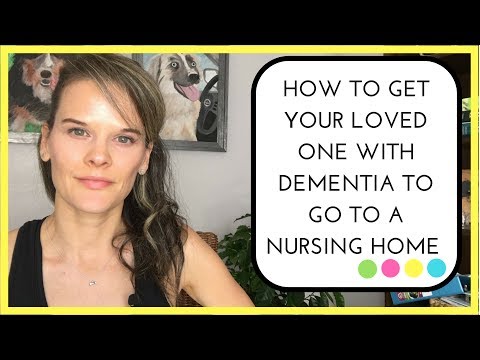 How to get your loved one with dementia to go to a nursing home EVEN when they don't want to goThis video provides specific strategies for handling resistance from a loved one who does not want to move, including what to say and how to approach the situation.
 Caregiving: Pros and Cons of Putting Elderly Parents Into a Nursing HomeThis video helps you weigh the pros and cons of nursing home placement, including the emotional and financial considerations, and offers guidance on making the decision.
2 more videos
 Live Q & AThis live Q&A session addresses common caregiver questions about nursing home placement, including whether a resident can ever come home for a visit.
 When Is It Time for a Nursing Home? Alzheimer's Dementia CareThis video provides a framework for deciding when it is time to move a loved one to a nursing home, including how to assess the family structure and the level of care needed.
Practical tools
5
Life Story Document
A one-page summary with
Give to staff on admission day.
Unannounced Visit Checklist
Observe:
Care Planning Meeting Agenda
List:
Script for Resistant Loved Ones
Say: 'I love you and need help to care for you. This place can help 24/7. I'll be here as much as I can. Let's try it for a few weeks.' Stay calm and repeat as needed.
What to Bring (and Leave Behind)
Bring:
Leave: jewelry, cash, irreplaceable documents, bulky furniture.
Different situations
For a person with Lewy body dementia or Parkinson's disease dementia
These individuals are often very sensitive to medications and may have significant fluctuations in cognition and alertness. During the assessment, be sure to tell staff about any history of hallucinations, movement difficulties, or severe reactions to antipsychotic medications. The care plan should include strategies for managing these fluctuations, such as allowing for rest periods and avoiding overstimulation. Also, ask about the facility's experience with these specific types of dementia.
For a late-stage dementia patient
In late-stage dementia, the focus of care shifts to comfort and quality of life. The assessment should include a discussion about advance directives, hospice eligibility, and pain management. If your loved one is no longer eating or drinking, ask about the facility's policy on hand-feeding versus tube feeding. The care plan should prioritize dignity, comfort, and minimizing distress. You may also want to ask about the facility's approach to end-of-life care.
For an adult child caregiver versus a spouse caregiver
Adult children often feel guilt about 'putting a parent away,' while spouses may feel they have failed in their marital duty. Both are normal, but they require different support. As an adult child, you may need to remind yourself that you are making a decision out of love and necessity, not abandonment. As a spouse, you may need to give yourself permission to accept help. In both cases, seek out support groups or counseling to process these feelings.
For a resident who is already in the facility but needs a reassessment
If your loved one's condition changes significantly (e.g., a fall, a new diagnosis, a decline in eating), request a new assessment. The facility should be willing to update the care plan based on the new information. You can request a care planning meeting at any time. Be specific about the changes you've observed and ask for concrete adjustments to the care plan.
For a resident who may be eligible for hospice
If your loved one has a diagnosis of dementia and is showing a pattern of decline (e.g., weight loss, difficulty swallowing, recurrent infections), ask the physician about a hospice evaluation. Hospice can provide additional support, including a nurse, home health aide, and supplies like incontinence products and hospital beds. Don't wait too late to involve hospice; it is often underutilized.
For the doctor
5
- Ask the facility's physician: 'What is the process for updating my loved one's care plan if their condition changes? How often will we meet to review the plan?'
- Discuss with the physician: 'My loved one has a history of [specific medical condition, e.g., heart failure, diabetes, COPD]. How will the facility monitor and manage this condition? Who do I contact if I have concerns?'
- Ask the physician: 'What are the signs of a change in condition that I should watch for? For example, what would indicate a possible infection like pneumonia?' (source [12] lists signs such as new or worsening cough, temperature changes, increased breathing rate, or decline in cognitive status).
- If your loved one is on multiple medications, ask the physician: 'Is there a risk of drug interactions? How will the facility ensure that medications are given correctly and on time?'
- Discuss with the physician: 'My loved one has a history of [behavioral issue, e.g., wandering, aggression, anxiety]. What non-medication strategies does the facility use to address these behaviors? When would medication be considered?'