Step by step
What not to do
- Do not assume they are not trying or being difficult: PCA makes visual processing extremely challenging; blaming or scolding increases anxiety and shame.
- Do not overstimulate with loud TV, multiple conversations, or busy wallpaper; create calm spaces with soft music or silence instead.
- Do not isolate them from social activities, choose quiet, familiar places with good lighting and prepare friends to help; value even short visits for connection.
- Do not quiz or test their memory or vision (e.g., 'Do you remember who this is?'); offer gentle help and assume good intent.
- Do not ignore your own needs by sacrificing sleep, health, or social life; accept help, use respite care, and remember you are a partner in care, not a martyr.
Key points
- PCA primarily affects visual and spatial processing, not memory, especially in early stages. Adapt the environment to reduce clutter and improve lighting.
- Use clear, simple verbal instructions paired with gentle physical guidance. Avoid relying on gestures or pointing.
- Create a consistent daily routine with a large-print schedule to reduce anxiety and improve orientation.
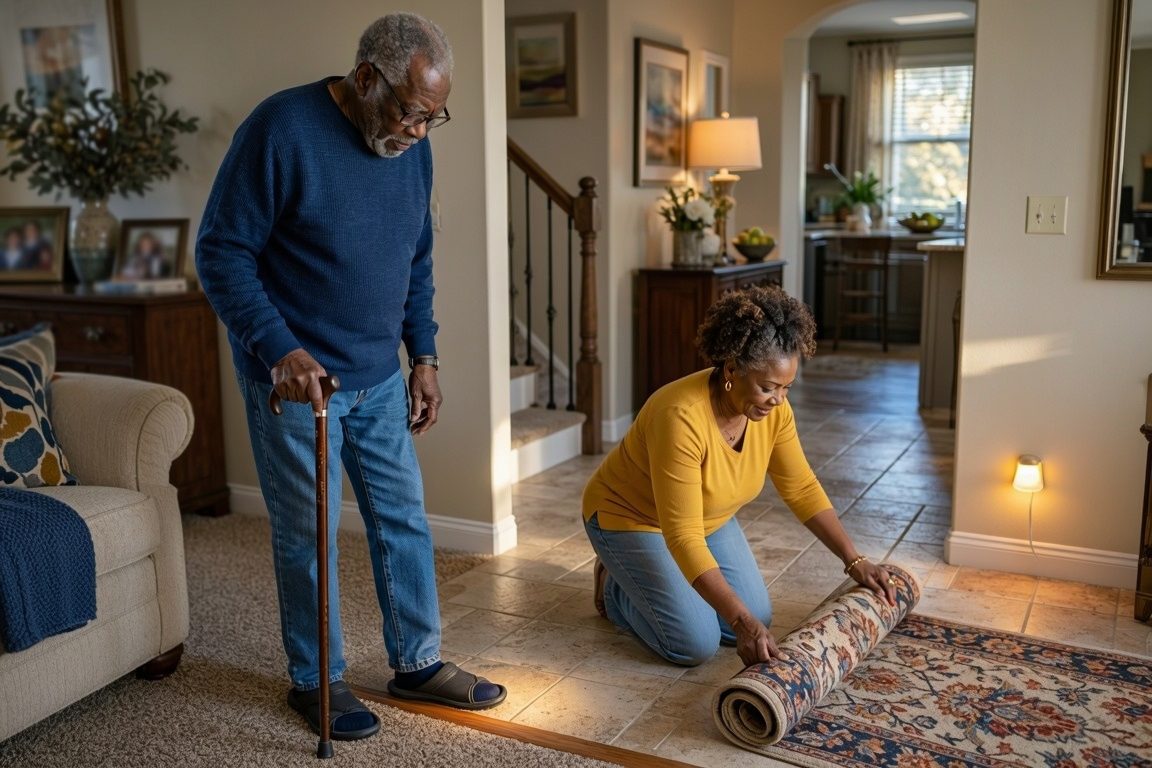
- Prioritize safety: remove throw rugs, install grab bars, use nightlights, and consider a walking aid.
- Join a PCA-specific support group for emotional and practical support. You are not alone.
- Take care of yourself, schedule breaks, accept help, and monitor your own health. Burnout helps no one.
Videos
 Posterior Cortical Atrophy Lecture with neurologist Victoria PelakThis lecture provides a deep understanding of PCA from a leading neurologist, explaining the brain changes and visual symptoms. It helps caregivers understand why their loved one struggles with certain tasks.
 What Are the Symptoms of Posterior Cortical Atrophy Dementia?A clear, concise overview of PCA symptoms, ideal for caregivers who want a quick but thorough explanation of what to expect.
 Time with Teepa - Posterior Cortical Atrophy (PCA) or Benson’s DiseaseTeepa Snow offers practical, compassionate advice for interacting with someone with PCA, including tips on communication and environment. Very actionable for daily care.
 PCA Lecture with UCSD neurologist Dr. Douglas GalaskoThis lecture covers research and clinical insights into PCA, helping caregivers understand the latest findings and how they inform care strategies.
2 more videos
 When You Want to Walk Away From Dementia Caregiving (But Can’t)Addresses caregiver burnout and emotional challenges. Essential for caregivers who feel overwhelmed and need strategies to cope and find support.
 Posterior Cortical Atrophy: An Atypical Form of Alzheimer's DiseaseExplains the link between PCA and Alzheimer’s disease, helping caregivers understand the broader context and potential progression.
Background
What Is Posterior Cortical Atrophy and Why Does It Happen?
Posterior cortical atrophy (PCA) is a type of dementia that mainly affects the back part of the brain, specifically the parietal and occipital lobes. These areas are responsible for processing visual information, judging distances, recognizing objects, and understanding how things relate in space. Unlike typical Alzheimer’s disease, where memory loss is often the first symptom, PCA starts with visual disturbances. Your loved one may struggle to read, write, or navigate familiar spaces, even though their eyes are healthy. This can be deeply confusing and frightening for both of you, as the problem is in the brain’s interpretation of what the eyes see, not the eyes themselves.
How Does PCA Affect Daily Life?
People with PCA often find it hard to judge distances, so they may bump into furniture or miss steps. They might have trouble recognizing faces, even of close family members, or see objects as distorted. Reading becomes challenging because letters may appear jumbled or move on the page. Writing can be difficult because they cannot see where the pen is or how to form letters. These symptoms can lead to frustration, withdrawal, or even falls. As the condition progresses, cognitive decline, like memory and problem-solving issues, may also emerge, but the visual and spatial challenges remain the core. Understanding that these behaviors are not intentional but stem from brain changes is the first step to providing compassionate care.
Practical tools
5
Environmental Adaptation Checklist
A weekly review covering:
Verbal Script for Dressing Assistance
Step-by-step phrases like 'Let's get dressed. First, I'll help you with your shirt. Can you feel the sleeve?' spoken slowly with pauses; avoid vague instructions like 'Put your arm in here' and physically guide their hand instead.
Large-Print Daily Schedule Board
A whiteboard or poster with 3-4 activities in bold letters and simple icons (coffee cup for breakfast, bed for rest), placed at eye level and reviewed each morning to build predictability and reduce anxiety.
Audiobook Service
Free options like Libby (with a library card) or paid Audible, choosing titles with simple plots and clear narration; listening together can be a calming shared activity when reading becomes too difficult.
Photo Name Cards for Family and Friends
Laminated cards pairing each regular visitor's photo with their name in large print, kept in a small album by the door or handed over when guests arrive, to support recognition when faces become hard to identify.
Different situations
Early stage (mild visual symptoms, still independent in most activities)
Focus on education and environmental tweaks. Encourage your loved one to use a cane or walking stick for safety. Introduce large-print books and audiobooks early. Attend support groups together. Discuss future planning (power of attorney, healthcare proxy) while they can still participate. Avoid overprotecting, allow them to do what they can, with gentle support.
Early to moderate stage (more pronounced visual and cognitive challenges, needs help with complex tasks)
Increase supervision for safety. Use the dressing script and meal assistance. Simplify the home further, remove non-essential furniture. Consider a personal alarm or GPS tracker if wandering is a concern. Hire a caregiver for a few hours a week to give yourself a break. Focus on sensory activities (music, touch, smell) to maintain connection.
Spouse caregiver vs. adult child caregiver
Spouse caregivers often live with the person 24/7 and may neglect their own health. Prioritize respite care and support groups. Adult children may juggle work and family, schedule regular check-ins and consider a care manager. Both roles are stressful; acknowledge your limits and ask for help. Spouses may need extra emotional support as they grieve the loss of their partner’s former self.
If your loved one also has Alzheimer’s pathology (common in PCA)
Memory loss may become more prominent over time. Use memory aids like labeled drawers and a daily schedule. Combine visual and verbal cues. Be prepared for personality changes, stay calm and validate feelings. Discuss with a neurologist about medications that may help with Alzheimer’s symptoms (e.g., donepezil), but always consult your clinician first.
If your loved one lives in a facility
Educate staff about PCA, many are unfamiliar with it. Provide a written summary of their visual challenges and preferred routines. Visit often to ensure the environment is adapted (e.g., no clutter, good lighting). Bring familiar items like a favorite blanket or photos. Stay involved in care meetings. If possible, choose a facility with dementia-trained staff.
For the doctor
5
- Ask your neurologist or geriatrician: 'Are there medications that can help with the visual or cognitive symptoms of PCA? What are the risks and benefits?'
- Discuss fall prevention strategies with an occupational therapist: 'Can you do a home safety assessment and recommend specific grab bars, lighting, or mobility aids?'
- If your loved one has trouble swallowing or eating, ask: 'Should we consult a speech therapist or dietitian for safe swallowing techniques or liquid supplements?'
- For behavioral changes like agitation or anxiety, ask: 'What non-medication approaches can we try first? If needed, what medications are safest for someone with PCA?'
- Ask about driving safety: 'How can we assess if my loved one is still safe to drive? What are the alternatives for transportation?'