Step by step
What not to do
- Do not force a person with Parkinson's to move faster or push through rigidity, it increases fall risk and anxiety.
- Do not ignore sudden changes in mobility or thinking as 'just part of the disease', they may indicate infection, medication issues, or other treatable problems.
- Do not skip or delay medication doses, timing is critical for managing motor symptoms.
Key points
- Get support early: join a support group, connect with Parkinson's specialists, and build a care team.
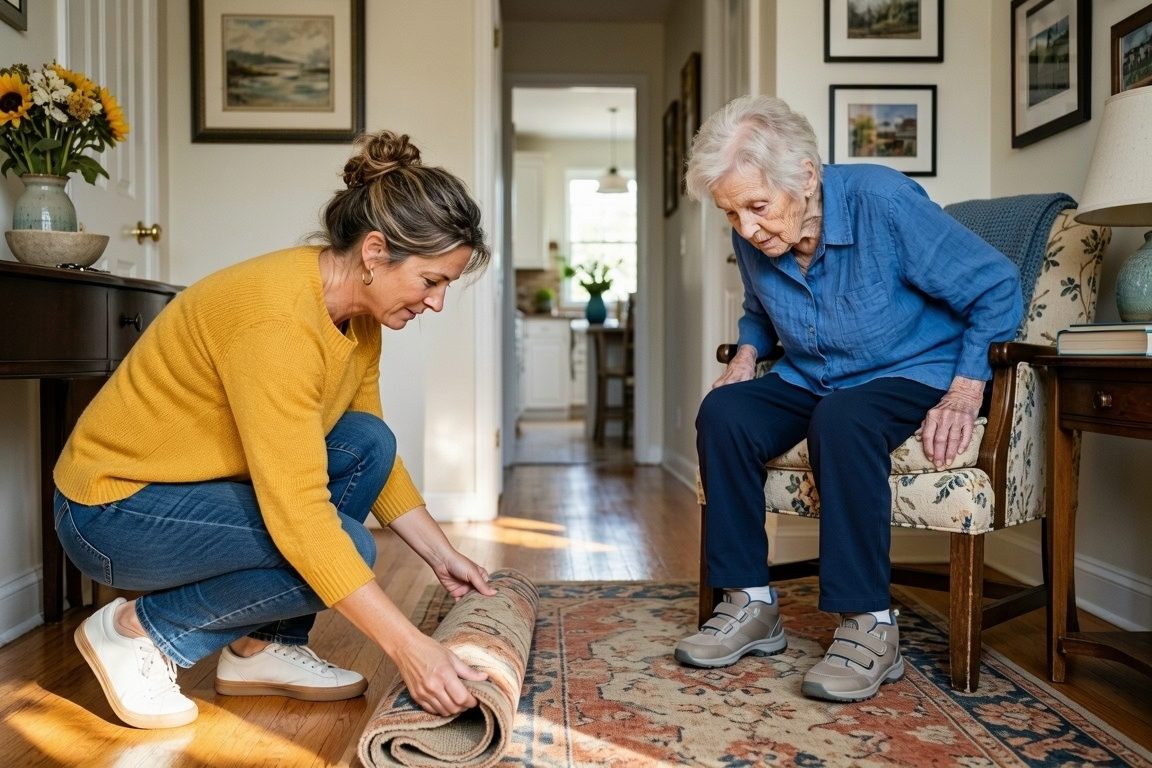
- Fall-proof the home: remove rugs, secure cords, install grab bars, and improve lighting.
- Encourage daily exercise: walk, stretch, or dance together, it helps both of you.
- Manage medications carefully: use a log and pill organizer, and discuss changes with the doctor.
- Address non-motor symptoms: depression, anxiety, constipation, and dizziness are common and treatable.
- Plan ahead legally and financially: complete advance directives, powers of attorney, and wills early.
- Take care of yourself: use respite care, accept help, and make time for your own well-being.
Videos
 Parkinson's Disease Caregivers: You're Not AloneThis video offers reassurance and practical advice from caregivers who have been where you are, emphasizing the importance of support groups and self-care.
 Understanding Parkinson's DiseaseA clear overview of the disease, its symptoms, and progression, helping you understand what to expect and how to prepare.
 Do All People With Parkinson's Disease Get Dementia?Explains the link between Parkinson's and dementia, and what to watch for if cognitive symptoms develop.
 The Care Advocates with Lance A. Slatton & Sharon's Son, George with Care Advocate Kimberly JacobsenFeatures a conversation with a person living well with Parkinson's and a caregiver advocate, offering hope and practical tips for staying positive.
2 more videos
 Different Types of Dementia, Symptoms, Life Expectancies and CausesHelps you distinguish Parkinson's disease dementia from other dementias, which is important for tailoring care approaches.
 The Parkinson's You Don't See: Cognitive and Non-Motor SymptomsFocuses on the hidden symptoms like depression, anxiety, and thinking problems, giving you tools to address them.
Background
What Is Parkinson's Disease and How Does It Affect a Person?
Parkinson's disease is a progressive brain disorder that primarily affects movement. The most visible symptoms include tremors (shaking), rigidity (stiffness), bradykinesia (slowness of movement), and postural instability (balance problems). But Parkinson's is much more than a movement disorder. Many people also experience non-motor symptoms such as a loss of sense of smell (often years before diagnosis), constipation, dizziness or fainting spells, depression, anxiety, and sleep problems. Speech may become softer and monotone, handwriting may become smaller and cramped, and the person may have a shuffling gait with shorter steps and a stooped posture. These changes happen gradually, and the person may not notice them at first.
Why Caregiver Support Matters So Much
Parkinson's is a long, slow journey, often lasting 10 years or more, and the demands on a caregiver can be intense. You may watch your loved one decline slowly, and you may feel unprepared, isolated, or overwhelmed. That is normal. But research shows that caregivers who get support early, connect with Parkinson's specialists, and build a care team (including neurologists, occupational therapists, home nurses, and support groups) are better able to cope. The disease affects not just the person with Parkinson's but the whole family. Taking care of yourself is not selfish, it is essential. As one caregiver put it, 'It was a constant balance of what to do and what not to do. What really helped me was the support groups.'
What to Expect Across the Stages
Parkinson's is typically divided into early, middle, and late stages. In the early stage, symptoms are mild and may be limited to one side of the body. The person can still live independently but may need help with medication timing and exercise. In the middle stage, symptoms become more noticeable: balance problems, falls, freezing (sudden inability to move), and difficulty with speech and swallowing. In the late stage, the person may need full-time care, be bedbound, and have trouble eating and drinking. The very end of life is often gentle, with the person sleeping more and eventually entering the actively dying phase. Hospice care can provide comfort and support during this time.
Practical tools
3
Pill Organizer & Alarms
A multi-compartment pill organizer for each day and time, plus a phone alarm system to ensure on-time dosing of levodopa/carbidopa and other Parkinson's medications.
Non-Slip Bathroom Products
Non-slip mats for tub/shower and grab bars for toilet and shower areas to prevent falls in the highest-risk room.
Legal Document Templates
available through elder-law attorneys or state-specific legal aid resources.
Different situations
If the person has Parkinson's disease dementia (PDD) or Lewy body dementia (LBD)
The dementia-related symptoms (attention problems, hallucinations, behavioral changes) require the same approaches used for other dementias: validate feelings, redirect gently, and avoid arguing. Work closely with the medical team because medications for Parkinson's motor symptoms may need to be adjusted to avoid worsening hallucinations. Also, be aware that people with PDD/LBD are very sensitive to certain medications (like antipsychotics), so always discuss any new medication with the doctor.
In the late stage or end of life
Focus on comfort. The person may sleep 18-20 hours a day and eat/drink very little. Do not force food or fluids. Watch for skin breakdown (pressure sores) and reposition them every two hours. Discuss hospice care with the doctor when the person is no longer able to walk, has frequent infections, or is losing weight. Hospice provides pain management, nursing visits, and emotional support for the whole family.
If you are an adult child caring for a parent
You may also be juggling work, your own family, and financial pressures. Check if your employer offers caregiver support or flexible hours. Consider using meal delivery services or housekeeping help to lighten your load. Involve siblings or other family members in the care plan, even if they live far away (they can help with phone calls, finances, or research).
If the person lives in a facility (assisted living or nursing home)
You still play a vital role as advocate. Visit regularly, communicate with staff about your loved one's preferences and routines, and ensure they are getting their medications on time. Ask about the facility's experience with Parkinson's care. You can also bring in outside therapists (physical, occupational, speech) if needed.
If the person is on Medicaid or has limited income
Many community resources are free or low-cost. Contact your local Area Agency on Aging for information on respite care, meal programs, and support groups. The Parkinson's Foundation offers a helpline and online resources at no cost. Some states have Medicaid waivers that can help pay for in-home care. Ask a social worker at the neurologist's office for help navigating these options.
For the doctor
6
- Ask the neurologist: 'What is the best medication schedule for my loved one's symptoms, and how should we adjust it if they have a bad day?'
- Ask the doctor: 'Are there any medications or supplements that could help with depression, anxiety, or sleep problems in Parkinson's?'
- Ask the pharmacist: 'Are there any interactions between Parkinson's medications and other drugs my loved one takes?'
- Ask the speech therapist: 'What exercises can help with swallowing and prevent choking?'
- Ask the physical therapist: 'What walking aid or home modifications would be safest for my loved one?'
- Ask the hospice team: 'When is the right time to start hospice, and what services are covered?'