Step by step
What not to do
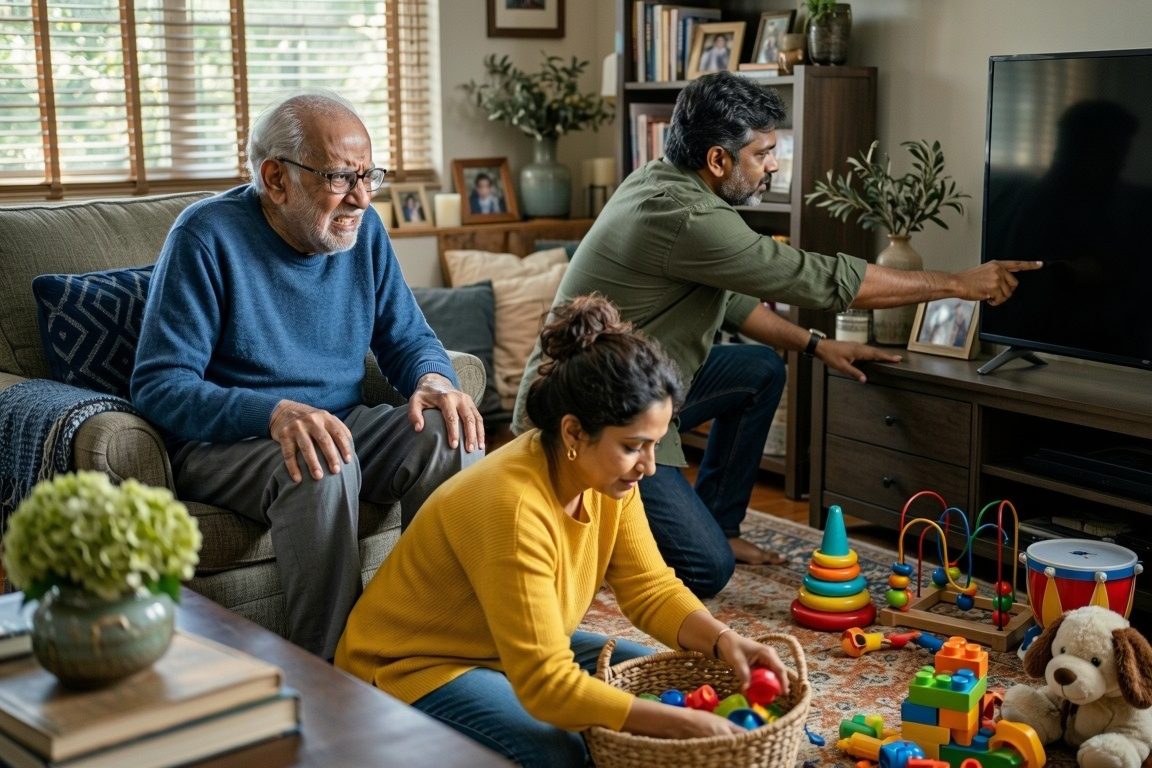
- Do not yell or scold. Speak softly instead.
- Do not argue or try to reason with logic. Use distraction or validation.
- Do not corner, crowd, or physically restrain them. Give them space and approach from the front.
- Do not reach for physical contact during an outburst. Wait until they are calmer.
- Do not ignore the behavior hoping it will pass. Calmly investigate the cause.
- Do not take the behavior personally. It is a symptom of the disease.
Key points
- Agitation is a communication of unmet needs, always check for pain, hunger, thirst, or bathroom needs first.
- Stay calm yourself; your anxiety can escalate the situation. Use a soft voice and gentle touch if tolerated.
- Distraction and redirection work better than reasoning or arguing. Change the subject or offer a new activity.
- Create a calm environment: reduce noise, clutter, and bright lights. Use soft music or calming scents.
- Non-drug methods are the safest first-line approach. They reduce agitation without medication side effects.
- You are not alone, join a support group or online community to share strategies and get emotional support.
Videos
 The Threatening and Violent Dementia PatientThis video provides practical strategies for handling aggressive outbursts, including how to de-escalate and ensure safety.
 Aggressive Behavior in People with Dementia | Linda Ercoli, PhD | UCLAMDChatDr. Ercoli explains the causes of aggression and offers evidence-based non-drug approaches, including distraction and environmental changes.
 Exploring and Understanding Restraints: A Guide for Families with TIm England and Bettina MorrowThis video discusses alternatives to physical and chemical restraints, emphasizing person-centered care and calming techniques.
 Caregiver Strategies How to Deal with Dementia Care Challenges Sundowning, Anxiety, and RestlessnessFocuses on sundowning and restlessness, offering specific calming routines and environmental adjustments.
2 more videos
 How to cope with dementia caregiver stress: 4 ideasCaregiver stress can worsen agitation. This video offers self-care strategies to help you stay calm and effective.
 What Is Sundowning In Dementia Care? - Dementia Help HubExplains sundowning and provides calming techniques for evening agitation, including light management and routine.
Background
What Is Agitation and Why Does It Happen?
Agitation in dementia is a cluster of behaviors, like pacing, yelling, restlessness, or aggression, that signal emotional distress or physical discomfort. It is not a deliberate choice; the person’s brain has lost some of its ability to filter and control impulses. Common triggers include pain, hunger, thirst, a need to use the bathroom, overstimulation from noise or clutter, changes in routine, or even a medication side effect. Because the person may not be able to communicate their needs clearly, agitation becomes their way of saying, ‘Something is wrong.’
The Role of the Caregiver: Staying Calm Is Key
Your own stress and anxiety can escalate the situation. When you stay calm, you provide a safe anchor for the person with dementia. Research shows that non-pharmacological interventions, like gentle touch, music, or distraction, are the safest and most effective first-line approach, with no risk of medication side effects. However, these techniques require practice and patience. If you feel overwhelmed, it is okay to step away for a few minutes to collect yourself before re-engaging.
When to Seek Medical Help
Always rule out a medical cause first. Sudden or severe agitation could be due to an infection (like a urinary tract infection), pain, or even delirium (a sudden change in consciousness). If the behavior appears abruptly or is accompanied by fever, confusion, or a change in alertness, contact the person’s doctor immediately. For ongoing agitation, a thorough medical checkup can identify underlying issues like constipation, dehydration, or medication interactions.
Practical tools
5
Calm-Down Script
When agitation starts, say in a soft, slow voice: 'I see you are upset. Let's sit down together. I am here to help.' Offer a choice: 'Would you like some water or a short walk?'
Sensory Kit
Keep a basket ready with
Store it near their favorite chair.
Environmental Checklist
Scan the room:
Remove clutter and turn off background TV or radio.
Distraction Menu
Keep a written list of go-to activities: looking through a photo album, going for a short car ride, folding laundry, listening to music from their youth, or offering a favorite snack. Rotate options.
Pain and Comfort Log
Keep a notebook noting when agitation occurs, what happened before, and what helped. Also note signs of pain (grimacing, guarding a body part). Bring this log to doctor visits.
Different situations
Lewy body dementia (LBD) or Parkinson’s disease dementia
People with LBD are very sensitive to medications, so non-drug approaches are even more critical. They may also have visual hallucinations, do not argue about what they see. Instead, validate the emotion: ‘That must be scary. Let’s move to a different room.’ Avoid overstimulation, as they are prone to extreme reactions to noise and crowds.
Late-stage dementia (unable to speak or walk)
Focus on physical comfort: check for pain, reposition in bed, offer a hand massage, or play soft music. Use a gentle touch and speak in a soothing tone. They may respond to a familiar voice or a favorite lullaby. Keep the environment very quiet and dimly lit.
Spouse vs. adult child caregiver
Spouses may feel more personally hurt by agitation. Remind yourself that it is the disease, not the person. Adult children may need to set boundaries and take breaks. Both should seek support groups to share strategies and reduce stress.
In a memory care facility or long-term care
Work with staff to ensure the person’s routine is consistent. Ask for a ‘calm room’ or quiet area to retreat to. Share what works at home (e.g., favorite music, a specific snack). Advocate for non-drug approaches first. If medications are used, ask about side effects and monitoring.
Medicaid or limited resources
Many calming tools are free or low-cost: a walk outside, a homemade photo album, a playlist on a smartphone, or a borrowed weighted blanket. Use community resources like adult day centers or respite care to give yourself a break. Online support groups (like ALZConnected) are free.
Common questions
3
How can I clean a cluttered home of a person with Alzheimer's without causing distress?
Clean one small area at a time while your loved one is resting or engaged in a favorite activity, and use a soft, cheerful tone if they are present, saying something like 'Let's just tidy this corner together.'
What can caregivers do to help relieve stress in an older adult?
Check for unmet needs first, offer a snack, a drink, or a bathroom break, then guide them to a calming activity like listening to soft music or folding a familiar cloth, using a gentle touch on their arm.
How can I help a person with dementia transition from distress to a better emotional state?
Pause and take a slow breath yourself, then shift their focus with a simple, cheerful remark like 'Look at this pretty flower' or offer a familiar object, such as a soft blanket or family photo, while speaking in a low, soothing voice.
For the doctor
5
- If agitation is severe, sudden, or accompanied by fever, confusion, or a change in alertness, see a doctor immediately to rule out infection or delirium.
- Ask the doctor to review all medications for possible side effects that could worsen agitation (e.g., anticholinergics, sedatives).
- If non-drug methods are not enough, discuss whether a low-dose antidepressant (like citalopram) or a dementia medication (like donepezil or memantine) might help. These should only be used under close medical supervision.
- If the person has psychosis (hallucinations or delusions) that cause distress, ask about antipsychotic medications, but be aware of increased risks in dementia (e.g., stroke, death). Use only when non-drug methods fail and danger is present.
- If the person is a danger to themselves or others (e.g., hitting, throwing objects), seek immediate medical or psychiatric help. Do not try to manage alone.