
Step by step
What not to do
- Do not force or pressure them to eat.
- Do not switch to a restrictive diet without medical guidance.
- Do not serve meals in a noisy, cluttered, or high-traffic area.
Key points
- Loss of appetite in dementia is often due to brain changes, not stubbornness, approach with patience and creativity.
- Prioritize calories and protein over dietary perfection, especially in later stages.
- Small, frequent meals and finger foods can make eating easier and more appealing.
- Sweeten foods slightly to match fading taste buds, this can increase acceptance.
- Hydrate creatively with popsicles, gelatin, and colorful water bottles.
- Eat together and use bright, contrasting dishware to make meals more inviting.
- Always rule out physical causes like dental pain or constipation before assuming behavioral issues.
- Consult your clinician for any significant weight changes, swallowing difficulties, or medication interactions.
Videos
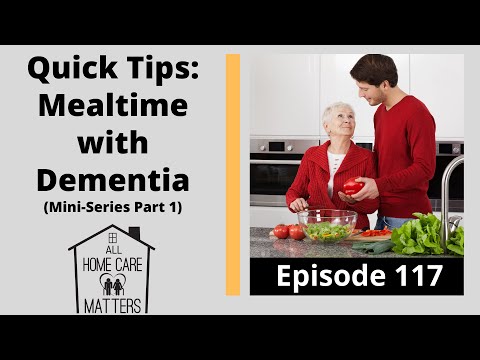 Quick Tips: Mealtime with Dementia (Mini-Series Part 1)Offers quick, actionable tips for making mealtime less stressful and more successful.
 Dementia Caregiving: How to Get Them to EatProvides step-by-step strategies from a dementia care specialist for motivating a loved one to eat.
 Dementia Food Secrets: Expert Q&A with Molly Robinson,RDA registered dietitian answers common questions about nutrition and dementia, including calorie boosting and texture modifications.
 How to survive the holidays as a dementia caregiverHelps caregivers adjust expectations and traditions around holiday meals, which can be especially challenging.
2 more videos
 Why Does my Person w Dementia ONLY EAT SWEETS & JUNK FOOD?!?Explains the science behind sweet cravings and offers practical ways to manage them without conflict.
 What to do if your loved one with dementia is eating WAY TOO MANY SWEETS!Provides specific strategies for limiting sweets while still ensuring adequate nutrition.
Background
Why Eating Changes with Dementia
As dementia progresses, the brain loses its ability to register hunger and thirst cues. Your loved one may simply not feel hungry or thirsty, even when their body needs fuel. This is not stubbornness; it is a neurological change. Additionally, the sense of taste and smell often declines, and sweet taste buds are the last to fade, which explains why many people with dementia suddenly crave sugary foods like ice cream, candy, or sweetened drinks. They may also develop aversions to textures or temperatures they once enjoyed, or find that foods they loved now taste bland or even unpleasant.
The Role of Physical Comfort and Routine
Physical discomfort is a major hidden cause of food refusal. Ill-fitting dentures, sore gums, constipation, or difficulty swallowing can make eating painful or frightening. Many people with dementia also lose the ability to use utensils properly, leading to frustration and embarrassment. A calm, familiar environment with minimal distractions helps them focus on eating. Eating together with a caregiver can also provide social motivation, they may eat more when they see you eating too, especially if you say something like, 'I made lunch for us, let's eat together.'
Weight Changes Across Stages
In early dementia, some individuals may actually gain weight due to increased cravings for sweets and comfort foods. However, as the disease advances, weight loss becomes more common and harder to reverse. The goal shifts from preventing weight gain to preventing weight loss. This means prioritizing calories and protein over strict dietary rules. A little extra cake, ice cream, or fast food in the early stages can help build a reserve that serves them well later when appetite declines.
Practical tools
5
The 'Eat Together' Invitation
Reframe meals as a shared social event by saying 'I made lunch for us, let's eat together' instead of 'You need to eat.'
Measured Water Bottle
A clear bottle with time markers and a cheerful pattern serves as a visual reminder to sip throughout the day.
Homemade Popsicles for Hydration
Freeze juice, yogurt, or pureed fruit into popsicles for easy holding and soothing hydration.
Calorie Boost Checklist
Keep a small card on the fridge: '
'
Adaptive Utensils and Dishware
Built-up handled utensils, weighted spoons, plate guards, and non-slip placemats help maintain self-feeding ability.
Different situations
Early-stage Alzheimer's or dementia (mild cognitive decline)
In early stages, you have more flexibility. Focus on a balanced diet with plenty of fruits, vegetables, whole grains, and healthy fats (like the Mediterranean or MIND diet). This may help slow cognitive decline. You can still introduce new foods and encourage variety. However, if they start craving sweets, it is okay to indulge moderately, this builds a calorie reserve for later stages.
Moderate to late-stage dementia
Priority shifts to preventing weight loss and maintaining comfort. Offer soft, easy-to-swallow foods and frequent small meals. Use calorie boosters liberally. Do not worry about strict dietary rules, if they only want ice cream and pudding, that is better than nothing. Focus on hydration and preventing choking. Consult a speech therapist if swallowing becomes difficult.
Dementia with diabetes or heart conditions
This requires careful balance. Discuss with your clinician how to manage blood sugar while still encouraging eating. You may need to offer sugar-free versions of favorite treats or pair sweets with protein (e.g., cheese with fruit). Do not restrict calories too aggressively, unintended weight loss can be dangerous. Work with a dietitian to create a safe plan.
Lewy body dementia or Parkinson's disease dementia
These conditions often involve more pronounced swallowing difficulties and motor issues. Use thickened liquids if recommended by a speech therapist. Offer finger foods and soft textures. Be aware that fluctuations in alertness can affect appetite, offer food when they are most awake and alert.
Spouse vs. adult child caregiver
Spouses may feel guilty or anxious about changing long-standing eating habits. It can help to frame changes as 'new ways to show love' rather than 'giving up.' Adult children may need to gently introduce new routines without undermining the parent's sense of control. Both roles benefit from seeking support groups or professional advice.
For the doctor
5
- If your loved one has significant weight loss (more than 5% of body weight in a month), ask their doctor about a referral to a registered dietitian or a swallowing evaluation.
- If they have diabetes, high blood pressure, or high cholesterol, ask how to balance dietary changes with their medical needs. Do not stop or change any medications without consulting the doctor.
- If they have trouble swallowing (coughing, choking, or wet-sounding voice after eating), ask for a speech therapy evaluation. They may need thickened liquids or modified textures.
- If constipation is a recurring issue, ask about stool softeners, fiber supplements, or dietary adjustments that are safe for their condition.
- If they are on any medications that affect appetite or taste (e.g., some antidepressants or blood pressure drugs), ask if alternatives are available.