Step by step
What not to do
- Do not assume your loved one can sense or tell you they are cold. Check their hands and feet for coolness and watch for shivering or pulling blankets close.
- Do not use electric blankets or heating pads on high for someone with dementia or reduced sensation, use the lowest setting, check skin regularly, and rely on extra layers and warm bedding instead.
- Do not leave space heaters unattended or near curtains, bedding, or furniture. Choose models with tip-over shut-off, keep them at least three feet from flammables, and turn them off when leaving the room or sleeping.
- Do not force a person with dementia to wear uncomfortable, scratchy, or confusing clothing. Choose soft, tagless fabrics they already like, and let them help with the process.
- Do not skip hydration because no one feels thirsty. Offer water or warm decaffeinated tea at regular intervals and keep a favorite cup filled.
Key points
- Keep home temperature at 68°F or higher during the day; never below 65°F.
- Dress in layers, cover extremities, and check for signs of hypothermia and frostbite regularly.
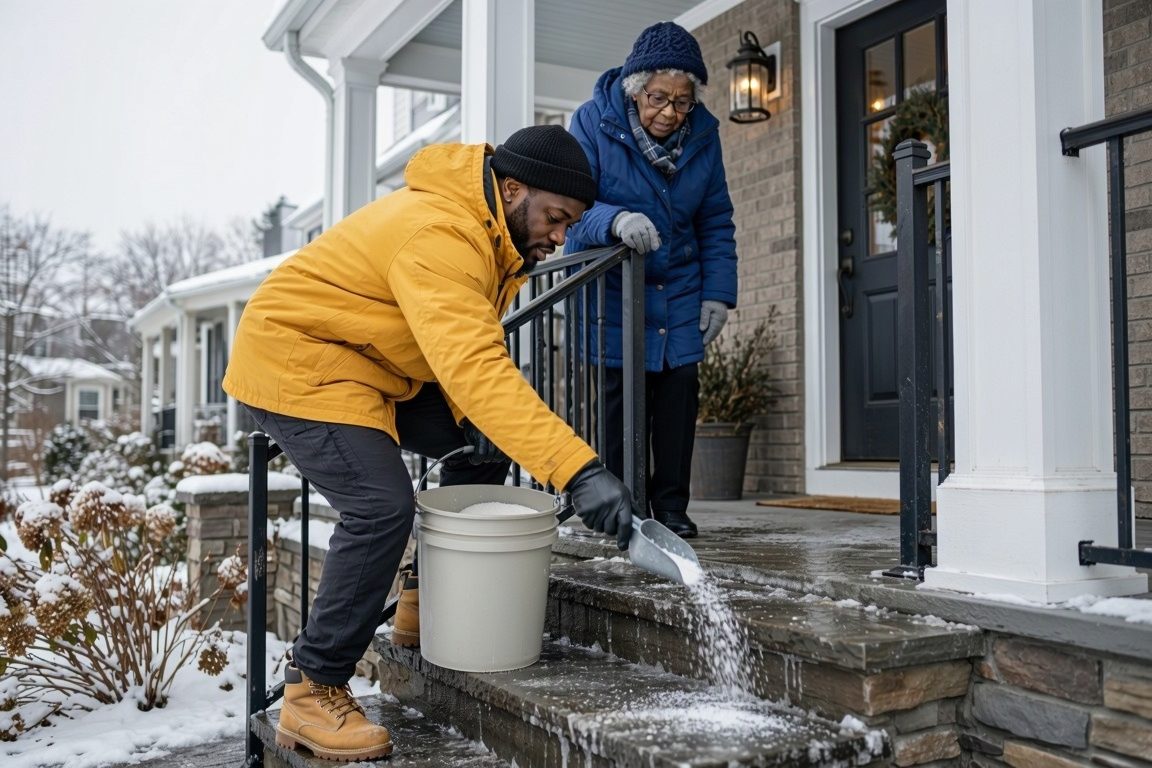
- Prevent falls by clearing ice, using handrails, and adding ice grips to shoes or walkers.
- For dementia: secure doors, use alarms, and create a warm indoor routine to reduce wandering risk.
- Prepare for power outages with flashlights, batteries, and a backup heat source (safe space heater or generator).
- Depression can mimic or worsen cold sensitivity, watch for changes in mood and behavior, and seek help if needed.
Videos
 Quick Tips: Winter Safety Tips for SeniorsThis short video gives immediate, visual reminders for dressing warmly, preventing falls, and recognizing cold-related illness.
 Keeping Seniors Safe in the HeatWhile focused on heat, the principles of monitoring temperature and hydration apply to cold safety too, a good companion video.
 Ep. 236: Are You 'Thin Skinned'?Explains why aging skin loses insulation, making seniors more vulnerable to cold, helps you understand the 'why' behind the advice.
 Why Does Caring for Elderly Parents Make Me Mean?Addresses caregiver frustration when a loved one refuses safety measures (like wearing a coat or using a walker), offers emotional support and practical reframing.
2 more videos
 What Are Common Safety Risks For Dementia Patients? - Dementia Help HubCovers wandering, falls, and fire risks specific to dementia, directly applicable to winter safety planning.
 Tips To Help You Get Your Elderly Loved One To ShowerShowering in winter can be a challenge, this video offers gentle approaches to hygiene that also help keep the person warm.
Background
Why Winter Is Especially Risky for Older Adults
As we age, our bodies lose the ability to regulate temperature as efficiently. The layer of collagen and fat under the skin thins, reducing natural insulation and making it harder to stay warm. Many older adults also have circulation problems, heart disease, or take medications that affect blood flow, all of which increase vulnerability to cold. A senior may not even realize they are getting dangerously cold because the sensation of cold diminishes with age. This is why hypothermia can set in without obvious shivering or complaints.
Hypothermia occurs when body temperature drops below 95°F. It can happen indoors if the home is kept too cold, as in the story of Bob who turned his heat down to 62°F to save money. His son found him shivering, speaking slowly, and having trouble walking, classic signs. Frostbite is another serious risk, especially for fingers, toes, nose, ears, and cheeks. It can damage skin down to the bone and, in severe cases, lead to loss of limbs. People with dementia may not be able to communicate that they are cold or may refuse to wear warm clothing due to confusion or discomfort with textures.
The Added Challenges for People with Dementia
Dementia adds layers of complexity to winter safety. A person may not remember to put on a coat or gloves before going outside. They might wander away from home in cold weather, increasing risk of hypothermia or frostbite. Judgment declines, so they might try to use a space heater unsafely or leave the stove on for warmth. Behavioral symptoms like agitation or anxiety can lead to impulsive actions, such as going outside without proper clothing. Changes in vision or sensation mean they might not notice a hot radiator or icy step. Caregivers must anticipate these risks and build safety into the environment.
Practical tools
1
Winter Safety Checklist
Print and review weekly:
Different situations
Early-stage dementia / Alzheimer's
The person may still be able to learn and follow safety routines. Use visual reminders: a sign on the door saying 'Stop! Coat and hat first.' Practice dressing in layers together. They may still drive, watch for getting lost on familiar roads or confusing pedals, and consider alternative transportation in icy weather. Discuss driving cessation early, with compassion.
Middle- to late-stage dementia
Safety becomes more about the environment. Remove stove knobs or install automatic shut-off devices. Lock up matches, lighters, and cleaning supplies. Use door alarms and GPS trackers. The person may not understand why they need to wear a coat, just help them put it on without explanation. Focus on comfort and routine.
Lewy body dementia or Parkinson's
These conditions often cause balance problems and sensitivity to temperature changes. Use a walker or wheelchair with ice grips. Be extra vigilant about falls, remove all tripping hazards. The person may have visual hallucinations that make them fearful of going outside , use calming reassurance and redirect to an indoor activity.
Spouse caregiver vs. adult child caregiver
Spouses may feel guilty about setting limits or taking control of the thermostat. Remind yourself that safety comes first, you are not being controlling, you are protecting. Adult children may need to negotiate with a resistant parent. Use 'I' statements: 'I worry about you when it's cold. Can we try keeping the heat at 68° for my peace of mind?'
Living alone or with limited family support
Arrange for a daily check-in call or visit from a neighbor, friend, or paid caregiver. Use a medical alert system with fall detection. Set up automatic bill pay for heating costs. Contact local Area Agency on Aging for winter assistance programs. If the person refuses help, involve their doctor to recommend support.
For the doctor
5
- Ask your doctor if any of your loved one's medications (e.g., diuretics, blood pressure meds, antidepressants) increase sensitivity to cold or affect circulation.
- If your loved one has heart disease or circulation problems, ask what temperature is safe for them and whether they need extra monitoring in cold weather.
- Ask about safe ways to treat mild hypothermia or frostbite at home, and when to go to the emergency room.
- If your loved one has diabetes, ask how cold affects blood sugar and foot care, since neuropathy can mask frostbite pain.
- Discuss whether a vitamin D supplement might help during winter months, especially if your loved one is homebound.