
Step by step
What not to do
- Do not dismiss symptoms as normal aging or hide them by compensating, as both delay diagnosis.
- Do not argue with or correct a person with dementia when they are confused, as this escalates frustration.
- Do not avoid testing out of fear; early detection enables treatment, planning, and support.
- Do not diagnose or treat dementia on your own; many cognitive declines are reversible and require a doctor.
- Do not wait for a crisis (fall, getting lost, financial mistake) to seek help; early action allows calm planning.
Key points
- Early detection gives you the best chance to slow Alzheimer's progression with medications and lifestyle changes.
- Many people are not diagnosed until years after symptoms start, don't let that be your family. Act on persistent changes.
- An early diagnosis allows the person with dementia to participate in planning their own future, including legal and financial decisions.
- Not all memory problems are Alzheimer's, a thorough evaluation can find reversible causes like vitamin deficiency or depression.
- Early-onset Alzheimer's (under 65) tends to be more aggressive and is often missed. Be extra vigilant if symptoms appear before age 65.
- You are not alone. Use the Alzheimer's Association, support groups, and online communities to get help and information.
- Taking care of yourself is not selfish, it is essential for your loved one's care. Start building your support system now.
Videos
 10 Warning Signs of Early Alzheimer's Disease – HOP ML PodcastDr. Leslie Kernisan, a board-certified geriatrician, walks through the 10 most common early warning signs. This is a reliable, practical starting point for families wondering what to look for.
 Early Onset Alzheimer's & DementiaCovers the unique challenges of early-onset Alzheimer's, including faster progression and different symptoms. Essential if your loved one is under 65.
 Your Voice Can Show If You Have Alzheimer's DiseaseExplores emerging voice-based detection technology. While not yet standard, it highlights how early detection methods are advancing and why staying informed matters.
 How do I Check Myself For Alzheimer's?A straightforward look at self-assessment tools and why they are not a substitute for a doctor's evaluation. Helps families understand the limits of home testing.
2 more videos
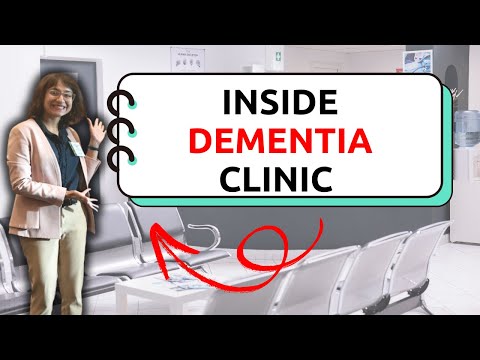 Inside a Dementia Clinic: What REALLY Happens? Invited talk by Dr. Khushboo VermaTakes you behind the scenes of a memory clinic evaluation. Reduces fear of the unknown and helps you prepare for what to expect during a diagnostic workup.
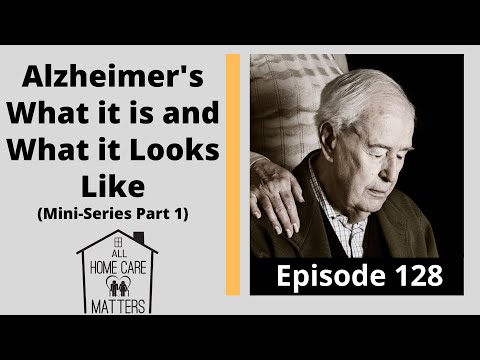 Alzheimer's What it Is and What it Looks Like (Mini Series Part 1)A clear, visual explanation of what Alzheimer's does to the brain and how it presents in daily life. Great for family members who want a solid foundation.
Background
What Is Happening in the Brain During Early Alzheimer's?
Alzheimer's disease begins damaging the brain years, even decades, before the first noticeable symptoms appear. The damage typically starts in the region that manages memory, then spreads to other areas in a somewhat predictable pattern. By the time a person has mild memory trouble, a significant number of brain cells have already been affected. This is why early detection is so critical: the earlier you know, the more brain function you can protect. The brain has some ability to recruit healthier neurons to compensate, but that reserve runs out over time. So what looks like a small problem today may be the tip of a much larger iceberg.
Why Is Early Detection So Often Missed?
Many families and even doctors dismiss early signs as stress, menopause, depression, or just 'getting older.' This is especially true for people under 65, where dementia is rarely the first thought. In fact, studies show that clinicians do not provide a diagnosis to over half of individuals who meet criteria for dementia. People with early-onset Alzheimer's (diagnosed before age 65) often have a more aggressive disease course, with faster progression and more extreme brain changes. Yet because the symptoms can be subtle, like trouble with planning, word-finding, or changes in behavior rather than classic memory loss, the diagnosis is delayed. This lost time is precious, because treatments and planning work best when started early.
What Does Early Detection Actually Change?
An early diagnosis opens a window of opportunity that closes as the disease progresses. First, it allows you to start treatments that can slow symptom progression and improve quality of life. There are medications (like cholinesterase inhibitors) and newer disease-modifying agents that work best in the early stages. Second, it gives you time to educate yourself and your family about the disease, so you can make informed decisions. Third, it allows you to settle financial and legal matters while the person can still participate. Fourth, you can identify care options, whether at home or in a facility, before a crisis forces a rushed choice. Finally, it helps you connect with support services, clinical trials, and a care team that understands what you're facing. Waiting only makes everything harder.
Practical tools
5
Alzheimer's Association 10 Warning Signs worksheet
Free online checklist for documenting specific changes with dates and daily life impact.
Montreal Cognitive Assessment (MoCA) or Mini-Cog
Brief, validated cognitive screening tools administered by a doctor in 5–10 minutes.
Alzheimer's Association 24/7 Helpline (800-272-3900)
Free, confidential support in 200+ languages, with local resource referrals and care consultations.
Alzheimer's Association TrialMatch
Free service matching patients to clinical trials based on diagnosis and location.
"This is Me" document
One-page profile of preferences, routines, history, and communication tips for new caregivers and hospital staff.
Different situations
Early-onset Alzheimer's (under age 65)
Early-onset Alzheimer's often progresses faster and may present with non-memory symptoms like language problems, behavioral changes, or difficulty with complex tasks at work. The person may still be employed, so discuss disability benefits and workplace accommodations early. The average lifespan after diagnosis is 4-8 years, compared to 9 years for late-onset. Aggressive treatment and planning are even more urgent. Also, genetic testing may be relevant if there is a strong family history, discuss with a genetic counselor.
Late-onset Alzheimer's (over 65)
The disease tends to progress more slowly, giving you more time to plan. However, the person may have other age-related health issues (heart disease, diabetes, arthritis) that complicate care. Coordinate with their primary care doctor to manage all conditions together. The average age of diagnosis is 85, and many people live with the disease for years. Focus on maintaining quality of life and independence as long as possible.
Daughter caregiver vs. spouse caregiver
A daughter caregiver may be balancing her own family and job, so she needs to prioritize self-care and delegate tasks. She may also have siblings to coordinate with, hold a family meeting early to divide responsibilities. A spouse caregiver often lives with the person 24/7 and may be older themselves. They need respite care, home health aides, and support groups for spouses. Both roles are hard, but the stressors differ. Tailor your support network accordingly.
Only child caregiver
You are the sole decision-maker and support person. This can be overwhelming. Build a 'care team' of friends, neighbors, and paid helpers. Consider hiring a geriatric care manager to help coordinate services. Join online caregiver communities for emotional support. You cannot do it all alone, accept help and plan for backup care in case you get sick or need a break.
When the person is still in early stage and aware
Involve them in every decision about their care and future. Ask: 'What matters most to you? What activities do you want to keep doing? Who do you want to make decisions if you can't?' Respect their autonomy. Use tools like the Alzheimer's Association's 'Early-Stage Caregiving' resources. This is the time to have meaningful conversations, not to take over.
Common questions
2
Why do older adults avoid the doctor and why does early detection matter?
Older adults often avoid the doctor due to fear of losing independence or receiving a scary diagnosis, but catching changes early gives you the best chance to slow progression and plan together while your loved one can still share their wishes. Schedule a checkup focused on 'keeping your mind sharp' rather than on 'memory tests' to make the visit feel supportive, not threatening.
How much can early detection of mild cognitive decline help delay dementia?
Early detection of mild cognitive decline can buy you precious months or even years of better function through medications, lifestyle adjustments, and support strategies that slow the slide into dementia. Think of it as starting an engine tune-up now instead of waiting until the car stalls, you can keep driving safely for longer with the right daily routines and medical help.
For the doctor
6
- Ask your doctor: 'What specific tests can confirm Alzheimer's versus other types of dementia? Should we consider a brain MRI, PET scan, or spinal fluid analysis?'
- Ask your doctor: 'Are there any medications that could be causing or worsening my loved one's memory problems? Can we review all prescriptions and over-the-counter drugs?'
- Ask your doctor: 'Is my loved one a candidate for any disease-modifying treatments or clinical trials? What are the risks and benefits?'
- Ask your doctor: 'What is the expected progression for this type and stage of dementia? How often should we follow up?'
- Ask your doctor: 'Are there any genetic tests I should consider, especially given our family history? What would the results mean for me and my children?'
- Ask your doctor: 'What community resources, support groups, or home care agencies do you recommend for early-stage patients and their families?'