
Step by step
What not to do
- Do not ignore or dismiss early signs of cognitive change (e.g., getting lost on familiar routes, hiding bills, abandoning hobbies), as denial delays diagnosis and treatment.
- Do not keep the diagnosis secret from everyone; hiding it prevents support and sharing often reduces stigma and strengthens relationships.
- Do not wait until crisis to make legal and financial plans, as you may lose capacity to make or change legal documents once cognitive impairment becomes moderate.
- Do not rely solely on memory aids (sticky notes, calendars) without addressing underlying health issues; get a full medical workup to rule out reversible conditions like vitamin deficiencies, depression, or medication side effects.
Key points
- An early diagnosis allows you to start treatments that can slow symptom progression and improve quality of life.
- Many conditions that mimic dementia are reversible, so a thorough evaluation is essential.
- Early diagnosis gives you time to plan for your future care, legal, and financial matters while you can still make decisions.
- Sharing your diagnosis with trusted people can reduce stigma and build a strong support network.
- Lifestyle changes like exercise, social engagement, and cognitive activities can help maintain brain function.
- You are not alone; support groups and community resources are available to help you and your family.
Videos
 Alzheimer's Disease vs DementiaThis video clarifies the difference between Alzheimer's disease and other dementias, which is essential for understanding your diagnosis and what to expect.
 Early Dementia Signs Caregivers Wish They Hadn't IgnoredHear real stories from caregivers about early signs they overlooked, reinforcing why early diagnosis is so important and what to watch for.
 10 Warning Signs of DementiaA clear, practical list of warning signs that can help you decide when to seek an evaluation, with examples you can relate to.
 Should You Share a Dementia Diagnosis? What You Need to Know!This video provides guidance on how and when to share your diagnosis, addressing the fear of stigma and offering a compassionate approach.
2 more videos
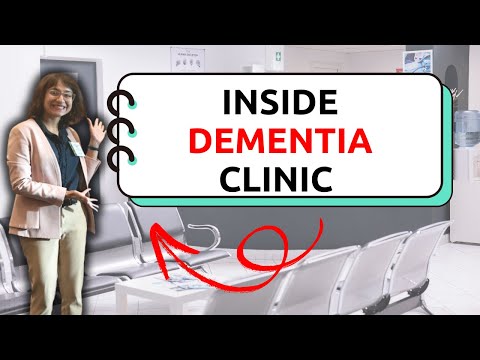 Inside a Dementia Clinic: What REALLY Happens? Invited talk by Dr. Khushboo VermaGet a behind-the-scenes look at what to expect during a dementia clinic visit, which can reduce anxiety and help you prepare.
 Steady Steps: Practical Strategies for Managing Falls in DementiaFalls are a common concern as dementia progresses. This video offers practical strategies to prevent falls and keep you safe at home.
Background
Why Early Diagnosis Matters: More Than Just a Label
Finally, an early diagnosis helps reduce the stigma and isolation that often surrounds dementia. When people only see the moderate or severe stages in media, they assume that a diagnosis means immediate incapacity. By sharing your diagnosis early, you can educate your friends and family about what is actually happening, and you can ask for the help you need while you are still able to advocate for yourself. This can strengthen relationships and open the door to support groups and community resources that you might not have known existed. As one care expert puts it, sharing the diagnosis can reduce stigma and help maintain bonds between family members and friends.
Practical tools
2
Symptom Journal
Keep a small notebook or phone notes app to record daily observations about memory, thinking, mood, sleep, or challenges (e.g., 'could not find my car in the parking lot' or 'trouble following a familiar recipe'). Bring this to every medical appointment so your clinician can spot patterns.
Home Safety Walkthrough
Walk through each room with a family member and identify hazards to fix:
Add good lighting in hallways and bathrooms.
Different situations
For a person with young-onset dementia (in their 40s or 50s)
If you are younger, you may still be working. Talk to your employer about reasonable accommodations under the Americans with Disabilities Act. You may also need to plan for early retirement or disability benefits. Your legal and financial planning should include protecting your income and health insurance. Support groups for young-onset dementia can be especially helpful, as you may feel out of place in groups with older adults.
For a family caregiver who is an adult child
As an adult child, you may need to balance caregiving with your own job and family. Early diagnosis gives you time to research local resources, like adult day programs or in-home care, before you are in crisis. It also allows you to have honest conversations with your parent about their wishes while they can still participate. Consider joining a caregiver support group specifically for adult children, where you can share strategies for navigating this dual role.
For a person with Lewy body dementia or frontotemporal dementia
These types of dementia often have different early symptoms. In Lewy body dementia, early signs may include visual hallucinations, sleep disturbances, and movement problems like stiffness or tremors. In frontotemporal dementia, early changes are often in personality, behavior, or language, rather than memory. An early diagnosis is especially important here because treatments and management strategies differ. For example, certain medications used for Alzheimer's can worsen symptoms in Lewy body dementia. Always discuss with your clinician the specific type of dementia and tailor your plan accordingly.
For a person living alone or without nearby family
If you live alone, early diagnosis is even more critical. You need to set up a support network before you need it. This might include hiring a geriatric care manager, installing a medical alert system, and arranging for meal delivery or transportation services. You should also identify a trusted friend or neighbor who can check in on you regularly. Consider moving to a supportive living community while you can still make the choice yourself.
For a caregiver who is a spouse
As a spouse, you are likely to become the primary caregiver. Early diagnosis gives you both time to adjust to the new reality and to plan for the future together. It is important to discuss how caregiving will affect your relationship and your own health. Make sure you also have a plan for your own self-care, including respite care and support groups for spousal caregivers. You may need to consider financial planning for long-term care, as one spouse's illness can deplete savings meant for both of you.
Common questions
4
How can I tell if a change is a risk factor or an early sign of dementia, and why is misdiagnosis common?
Notice if a loved one has trouble with familiar tasks like cooking or paying bills, or gets lost in once-known places, these are early signs, not just aging. Misdiagnosis is common because other conditions like thyroid issues or vitamin deficiencies can look like dementia, so push for a full medical workup.
What are the benefits of getting a dementia diagnosis?
An early diagnosis lets you start treatments that can slow symptoms and gives you time to plan legal and financial decisions while your loved one can still participate. It also opens the door to support groups that help you feel less alone.
Does using cognitive tests in primary care improve the chance of a correct dementia diagnosis?
Yes, primary care cognitive tests like the Mini-Mental State Exam can spot early changes and flag when a specialist referral is needed. They aren't perfect alone but greatly improve chances of a correct diagnosis when paired with a full evaluation.
Why is an early PET scan diagnosis valuable for care planning?
An early PET scan can confirm the specific type of dementia, like Alzheimer's, which helps you choose the right treatments and plan care tailored to how the disease will progress. This clarity lets you make better decisions about safety, living arrangements, and support services.
For the doctor
6
- Ask your doctor: 'What specific type of dementia do I have, and how does that affect my treatment options and prognosis?'
- Ask your doctor: 'Are there any clinical trials or research studies I might be eligible for that could offer new treatments?'
- Ask your doctor: 'What medications are approved for my stage and type of dementia, and what are the potential side effects?'
- Ask your doctor: 'How often should I have follow-up appointments to monitor my condition and adjust my care plan?'
- Ask your doctor: 'Should I see a specialist like a neurologist, geriatric psychiatrist, or neuropsychologist for further evaluation or management?'
- Ask your doctor: 'Are there any reversible causes of my symptoms that we might have missed, such as a vitamin deficiency, infection, or medication side effect?'