
Step by step
What not to do
- Do not wait for a doctor to tell you it is 'time' to make changes. The doctor may not see daily struggles.Instead, act on what you observe at home.
- Do not assume that early stage means no changes are needed. Even mild dementia can cause safety risks like forgetting to turn off the stove. Make adjustments early.
- Do not keep your concerns to yourself out of fear of dishonoring your loved one. Silence can lead to a crisis that forces decisions under pressure. Speak gently but honestly.
- Do not compare your situation to others or to staging charts. Every person’s decline is unique. Focus on what you see, not what a chart says.
- Do not shame yourself for not knowing the stage. There is no test that perfectly maps symptoms. Use stages to plan support, not to judge your care.
- Do not wait until you feel overwhelmed to ask for help. By then, your health may suffer. Start small: ask one friend to bring a meal or sit with your loved one for an hour.
Key points
- You do not need a stage label to act on safety risks you observe today.
- Waiting increases anxiety, family conflict, and the chance of a crisis forcing decisions.
- Small changes like routines, safety checks, and a support network can be started now.
- Use stages to plan support, not to define your loved one or delay action.
- Your role as a Christian caregiver is to steward well-being, not to diagnose.
- Acting early is an act of love and respect, not overstepping.
Videos
 333. How Christian Families Delay Decisions While Waiting to 'Know What Stage of Dementia This Is'Directly addresses the Christian caregiver's hesitation to act without a stage label and offers a faith-based perspective on stewardship.
 Worse Than Being Dead | Dementia Caregiver Experiences in Dealing with Progressively Worse BehaviorsIllustrates the emotional cost of waiting until behaviors become severe, reinforcing the need for early action.
 The Baffled Brain: Demystifying Dementia Episode 22 April 24 ,2021Explains why staging models can be misleading and how to focus on functional abilities instead.
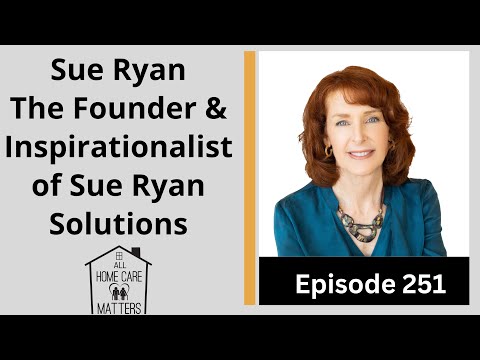 Sue Ryan, The Founder & Inspirationalist of Sue Ryan SolutionsShares a personal caregiving journey that started without warning, emphasizing the value of early preparation.
2 more videos
 How and when to move someone with dementia to a nursing homeProvides practical guidance on making placement decisions before a crisis, not after waiting for a stage.
 'What Stage of Dementia Is This?' (And Why That Question Can Hurt More Than Help)Directly critiques the over-reliance on staging and offers alternative ways to assess needs.
Background
Why Waiting for a Stage Label Can Delay Necessary Action
Many Christian families stall adjustments while waiting for a doctor to assign a stage like 'early' or 'moderate' dementia. This hesitation often comes from a desire not to overstep or dishonor the person you care for. But as one expert notes, stage language does not decide who is responsible, your daily observations do. When you wait for a label, you may postpone decisions that cannot wait safely, such as removing car keys or adjusting the home environment. The risk is that anxiety grows, arguments with siblings increase, and you may lose the trust of people who could help you. A crisis, when it comes, will force decisions under pressure, not because you failed, but because the responsibility changed and no one acted in time.
The Cost of Waiting: More Than Just Stress
Caregivers who wait often report unmet needs like keeping their loved one safe at home, managing emotional stress, and finding time for themselves. The top unmet needs include safety, stress management, and activities to do together. When you delay action, you also miss the chance to build systems gradually. For example, you could start with small changes like labeling cabinets or setting a daily routine, which reduce confusion and prevent falls. Waiting until a crisis forces you to act, like a fall or a wandering episode, means you lose the opportunity to plan thoughtfully. As one source puts it, the problem isn't bad enough yet to make you want to change, but by then, the cost is higher.
Your Role as a Steward, Not a Diagnostician
As a Christian caregiver, you are called to steward your loved one's well-being, not to diagnose them. The Bible encourages wisdom and proactive care, not passive waiting for a label. You can make changes based on what you see: if your loved one forgets to eat, you can set meal reminders; if they get lost in familiar places, you can install locks. These actions honor your loved one by protecting them, not by waiting for permission. Waiting for a stage can also lead to shame, feeling you should know the stage when no test perfectly maps symptoms. Instead, use stages to anticipate support needs, not to define your loved one. Focus on functional impairments: what they can and cannot do today.
Practical tools
6
The 'I Notice' Script
A gentle way to introduce changes. Say: 'I notice you seem tired after cooking, so I will help with meals from now on.' This frames the change as support, not control, and reduces resistance.
Safety Checklist for Today
A one-page list:
Do this daily without waiting for a stage.
The 'Just-in-Case' Folder
A physical or digital folder with:
Update it monthly. This prepares you for any stage.
Routine Chart
A simple visual schedule for the day:
Post it on the fridge. Routines reduce confusion and make changes feel predictable.
The Two-Week Check-In
Set a recurring calendar reminder every two weeks to ask: 'Has the risk increased? Do I need to act now?' This prevents drift into crisis mode and keeps you proactive.
Support Network Starter
Different situations
Lewy body dementia or Parkinson's dementia
These types often involve hallucinations or sudden changes in alertness. Do not wait for a stage to address safety around falls or medication timing. If you see hallucinations, call the doctor immediately to rule out infection or medication side effects. Use the 'I notice' script to describe what you see: 'I notice you seem scared sometimes. Let's sit together and talk about it.'
Late stage or advanced dementia
In late stage, waiting for a label is especially risky because the person may be unable to communicate pain or discomfort. Act on signs like grimacing, restlessness, or changes in eating. Use the 'just-in-case' folder to have medical orders ready. Focus on comfort and dignity, not on chasing a stage.
Spouse vs. adult child caregiver
Spouses may feel more pressure to wait because of marital vows and history. Adult children may feel guilt about 'taking over.' Both should remember that acting early is a form of love. Spouses can say, 'I am doing this because I love you and want us to be safe together.' Adult children can say, 'I want to help you stay in your home as long as possible.'
Living in a facility or with paid caregivers
If your loved one is in a facility, you may still need to act without a stage label. Observe changes in behavior or eating and report them to staff immediately. Use the 'safety checklist' to ensure the room is free of hazards. You are still the steward of their well-being, even if others provide daily care.
Medicaid or limited financial resources
Waiting for a stage can delay access to services like home health aides or adult day care. Many programs require a diagnosis but not a specific stage. Contact your local Area Agency on Aging now to ask about eligibility. Do not wait until a crisis forces you into a nursing home that may not be covered.
For the doctor
5
- Ask your doctor: 'Based on the behaviors I see, what safety measures should we consider now? Do we need a referral to occupational therapy for a home safety evaluation?'
- Discuss: 'What are the risks of waiting to make changes like removing car keys or installing locks? Could we start with a driving assessment?'
- Ask: 'Are there any medications or supplements that could help with the symptoms I am seeing, and what are the side effects?'
- Clarify: 'If I notice a sudden change in behavior or confusion, should I call you immediately or go to the emergency room?'
- Discuss: 'What advance care planning documents should we have in place now, even without a stage label?'