Step by step
What not to do
- Do not argue or try to reason. When you argue, you are asking a damaged brain to think logically. It cannot. This only escalates frustration for both of you.Instead, validate the feeling and redirect: 'I hear you are angry. Let's look at this bird outside.'
- Do not bribe with food or treats as a first resort. Bribing teaches that resistance gets rewarded. It also can lead to unhealthy eating patterns.Instead, use the two-choice method or change the environment first.
- Do not take refusal personally. Your loved one is not rejecting you. They are rejecting a task they cannot understand or fear. Remind yourself: 'This is the disease, not my loved one.' If you feel hurt, step away and take a deep breath.
- Do not make decisions in isolation if you have a care team. Talk to the doctor, a social worker, or a dementia care consultant. Get their input on safety and timing. But also filter advice from people who are not daily caregivers. As one expert warns, 'If the person giving you their opinion or recommendation is not somebody spending at least half of the time that you're spending with a loved one with dementia, then you can kind of take their recommendation with a grain of salt.'
- Do not hide all decisions from them if they are in early stages. In early dementia, they still have a right to be part of planning for their future. Excluding them can cause deep distress. The key is to match the level of involvement to their current capacity.
- Do not feel guilty for making a decision they oppose. Guilt is a normal feeling, but it does not mean you are wrong. You are doing the hard, loving work of keeping them safe. Acknowledge the guilt, then let it go.
Key points
- Your loved one's refusal is not personal; it is the disease. Their brain cannot see the risk or remember the past.
- You are not doing something wrong by making a decision they oppose. You are keeping them safe.
- Use the two-choice method to give them a sense of control while you still get the task done.
- Do not argue. Validate the feeling, then redirect to a simple action or a pleasant activity.
- Involve them in planning early, but once capacity is lost, make the decision alone based on their known wishes.
- Take care of yourself. You cannot pour from an empty cup. Use respite services and ask for help.
Videos
 Dementia Caregiver AngerThis video helps you understand your own anger when your loved one refuses care, and gives strategies to stay calm.
 The one mindset shift you need to make as a dementia caregiverThis video teaches you to shift from 'they are being difficult' to 'their brain is struggling,' which is essential for handling disagreement.
 Is Your Aging Parent With Dementia Refusing Help? Do This!Practical, step-by-step techniques for when your parent refuses help with daily tasks like bathing, eating, or dressing.
 Why Meal Refusal Happens with Dementia (And How to Tackle It Without a Fight)Specifically addresses refusal to eat, including the two-plate trick and other gentle methods.
2 more videos
 Difficult Behaviors Associated with DementiaCovers a range of challenging behaviors including refusal, aggression, and wandering, with strategies for each.
 Should you tell a dementia patient that they are being moved to a Memory Care Facility?Helps you decide whether to tell your loved one about a move, based on their stage of dementia and personality.
Background
Why They Fight: The Brain Has Changed
When a person with dementia refuses help, it is rarely stubbornness. The disease damages the parts of the brain that handle insight, judgment, and memory. They may not remember the car accident they had last week, so taking the keys feels like an attack. They may not feel thirsty or hungry because the brain no longer sends those signals, so offering food feels like nagging. They may also have perceptual disturbances, seeing or hearing things that aren't there , which make them suspicious of your intentions. As one expert explains, 'Disorientation and confusion, cognitive changes, perceptual disturbances, emotions' all feed into resistance. Your loved one is not being difficult on purpose; their brain is literally unable to see the situation the way you do.
Your Role Has Shifted: From Partner to Protector
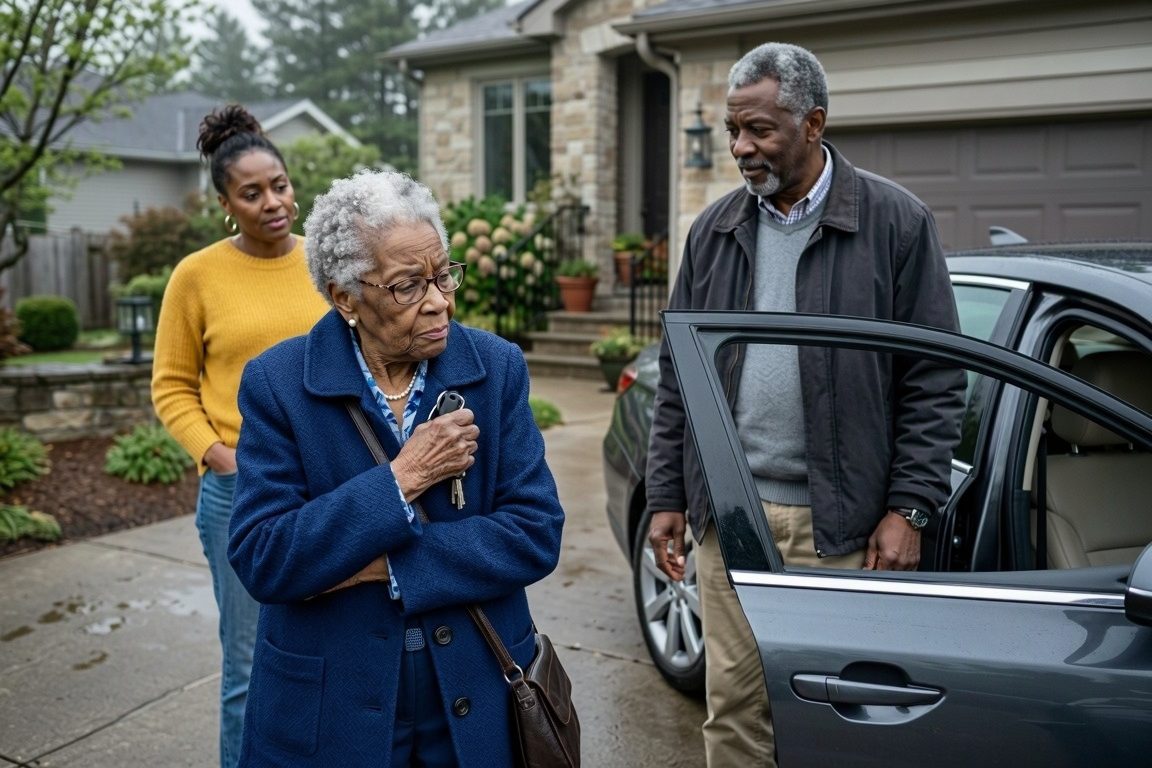
In early dementia, you could reason together. Now, the disease may have progressed to a point where your loved one cannot weigh risks or understand consequences. This means you must step into a new role: the person who makes the hard call even when it hurts. As one caregiver expert puts it, 'Being a good caregiver means a lot of times you are making decisions for your loved one with dementia that your loved one doesn't necessarily agree with.' This is not a betrayal. It is the most loving thing you can do. You are choosing safety, health, and dignity over temporary peace. The guilt you feel is real, but it does not mean you are wrong.
The Myth of the 'Right' Decision That Everyone Loves
Many caregivers get stuck because they want a decision that their loved one will accept happily. That may never happen. Dementia often robs the person of the ability to consent to care they need. You may have to take the keys, move them to a safer home, or insist on a bath even when they scream. As one source reminds us, 'Just because your loved one doesn't agree with it doesn't mean you're doing the wrong thing. It doesn't mean that it's not what your loved one needs.' The goal is not agreement. The goal is to keep them safe and as comfortable as possible. You can grieve the loss of their approval while still standing firm.
Practical tools
6
The Two-Plate Script
When your loved one refuses to eat, bathe, or take medicine, hold up two acceptable options. Say: 'Here are two choices. Which one do you want?' For meals, you can eat the other plate yourself to model the behavior. This gives them a sense of control while you still get the task done. Works for: meals, clothing, activities, and even bathing (washcloth or sponge?).
The 'Soft Start' Script for Hard News
Before delivering bad news (no more driving, moving to a facility, stopping a beloved activity), sit down with them, make eye contact, and use a gentle tone. Say: 'I need to tell you something that is hard for both of us. The doctor says your body is changing, and for now, I need to help keep you safe. I love you, and we will get through this together.' Then immediately offer a positive next step: 'Let's go for a short walk.'
The 'Redirect and Reassure' Checklist
When they refuse care, run through this checklist:
The 'Caregiver Permission Slip'
Write this on a sticky note and put it on your mirror: 'I am making the best decision I can with the information I have. My loved one may not agree, but I am keeping them safe. I am a good caregiver.' Read it aloud every morning. This counters the guilt and self-doubt that come with hard decisions.
The 'Respite Bridge' Plan
If your loved one only accepts help from you, you still need breaks. Look into
Many caregivers hesitate because they think their loved one will resist. But as one expert says, 'Your loved one will only accept help from you... this is one of those hard things.' Start with short visits (30 minutes) while you stay nearby. Gradually increase time. This builds their tolerance and gives you relief.
The 'Advance Directive' Conversation Starter
In early stages, use this script to start the legal conversation: 'I want to make sure that if you ever cannot speak for yourself, your wishes are honored. Let's talk about what you would want. I will write it down so we both remember.' Then work with an elder law attorney to set up
Do this immediately after diagnosis.
Different situations
Lewy body dementia (LBD)
People with LBD often have vivid hallucinations and extreme sensitivity to medications. When they refuse care, it may be because they are seeing or hearing something threatening. Do not argue about the hallucination. Instead, say, 'I see you are scared. Let's move to the other room where it is quieter.' Avoid using antipsychotic medications unless the doctor specifically prescribes them for LBD, as they can be dangerous. Also, their cognition can fluctuate day to day, so what worked yesterday may fail today. Stay flexible.
Late-stage dementia (severe)
In late stages, the person may not understand language at all. Do not try to explain decisions. Focus on comfort and non-verbal cues. Use gentle touch, soft music, and a calm voice. Decisions about feeding tubes, hospitalizations, and end-of-life care should be made based on their advance directives or what you believe they would want. As one source says, 'All end-of-life decisions should respect the person's values and wishes while maintaining his or her comfort and dignity.' Discuss with the doctor whether certain treatments are likely to cause more suffering than benefit.
Spouse vs. adult child caregiver
Spouses often feel a deeper sense of betrayal when making decisions their partner opposes. They may struggle with guilt and wonder if they are breaking their marriage vows. Adult children may feel they are 'parenting' their parent, which can feel disrespectful. Both are valid. Spouses: remind yourself that you are protecting your partner, not betraying them. Adult children: remember that you are honoring your parent's dignity by keeping them safe. Seek support groups specific to your role.
In a facility (memory care or nursing home)
If your loved one is in a facility and refuses care from staff, you may need to step in temporarily. Visit during care times and model cooperation. For example, if they refuse a bath, you can say, 'Let's do it together. I will help you.' Then the staff can assist. Also, communicate with the facility about what works at home, favorite music, a specific phrase, or a preferred time of day. If the refusal is about a specific staff member, request a different caregiver.
Medicaid or limited resources
If you are on Medicaid or have limited funds, you may have fewer options for respite care or facility placement. Prioritize the decisions that keep them safe at home as long as possible. Look into free or low-cost services: Area Agency on Aging, local Alzheimer's Association chapters, and volunteer respite programs. When a facility move becomes necessary, work with a social worker who understands Medicaid rules. Do not feel guilty about using public resources, they exist to help.
For the doctor
5
- Ask your doctor: 'At what point should I stop trying to reason with my loved one and just make the decision for them? Are there specific signs of incapacity I should look for?'
- Ask your doctor: 'If my loved one refuses medication that is critical (like blood thinners or antipsychotics), what are the risks of skipping it versus forcing it? Are there alternative forms (liquid, patch) that might be easier?'
- Ask your doctor: 'My loved one refuses to eat or drink. When should I consider a feeding tube or IV fluids? What are the risks and benefits at their stage of dementia?'
- Ask your doctor: 'If my loved one becomes aggressive when I try to help with bathing or dressing, is there a medication that could reduce that agitation safely?'
- Ask your doctor: 'How do I know when it is time to move my loved one to a facility? Are there objective criteria I can use?'