Step by step
What not to do
- Do not assume a robot or device can keep your loved one safe on its own. This backfires because the person may wander or fall while the device is off or not working, and you may not be paying attention.Instead, use technology as one layer of a multi-layered safety plan that includes human supervision.
- Do not force a robot or vest on a person who is frightened or confused by it. This can increase agitation, cause them to remove the device, or lead to a meltdown.Instead, introduce it slowly, with a calm explanation, and respect their feelings if they reject it.
- Do not rely on an airbag vest to prevent fall injuries without addressing the root causes of falls. This gives a false sense of security and may lead to neglecting important changes like removing rugs, improving lighting, or installing grab bars.Instead, work with a therapist to reduce fall risks first.
- Do not use a robot as a substitute for human companionship. A robot cannot provide the emotional connection, empathy, and adaptability that a person needs. This can lead to loneliness and depression.Instead, use the robot for short periods of engagement, and make sure your loved one still has regular visits from family, friends, or a paid caregiver.
- Do not buy expensive tech without testing it first. Many devices look good in ads but are confusing or useless in real life.Instead, look for a trial period, borrow from a friend, or ask a local dementia care center for recommendations.
Key points
- AI robots and airbag vests are tools, not replacements for human care and judgment.
- Always test any device with your loved one before committing; their reaction is the most important guide.
- Address the root causes of falls or wandering before relying on a gadget to fix the problem.
- Create a safety plan that combines tech with human actions, and review it regularly.
- Do not let technology give you a false sense of security; stay vigilant and present.
- For late-stage or Lewy body dementia, low-tech comfort items may be more effective than high-tech devices.
Videos
 Ep. 257: AI...as a Caregiver?This video directly addresses the question of whether AI can replace human caregivers, which is the core of this article. It offers expert perspective on the limits of technology.
 What to do if someone with dementia is getting into trouble online! Dementia and TechnologyThis video shows another side of tech risks: how people with dementia can misuse technology. It reinforces the idea that tech needs careful oversight.
 Dementia Care Partner Talkshow Podcast #45: How to Successfully Introduce Care Aides into Your HomeWhile about human care aides, this video offers principles for introducing any new helper, including a robot, into the home. The tips on gradual introduction and reading reactions are directly applicable.
Background
Why AI and Tech Devices Fall Short in Dementia Care
Caring for a person with dementia is deeply human work. AI robots and airbag vests are designed to perform specific tasks, but they cannot interpret the complex, changing needs of someone living with dementia. As one dementia care expert put it, a robot cannot understand why a person is upset or what they are trying to communicate through their behavior. The person with dementia may become confused or frightened by a mechanical-looking device, and the robot cannot adjust its approach the way a skilled caregiver can. Research shows that while people respond positively to robots for companionship and safety, they strongly dislike artificial-looking, creepy, or toy-like designs. A robot that feels 'off' can actually increase agitation rather than provide comfort.
The Airbag Vest: A Limited Safety Tool
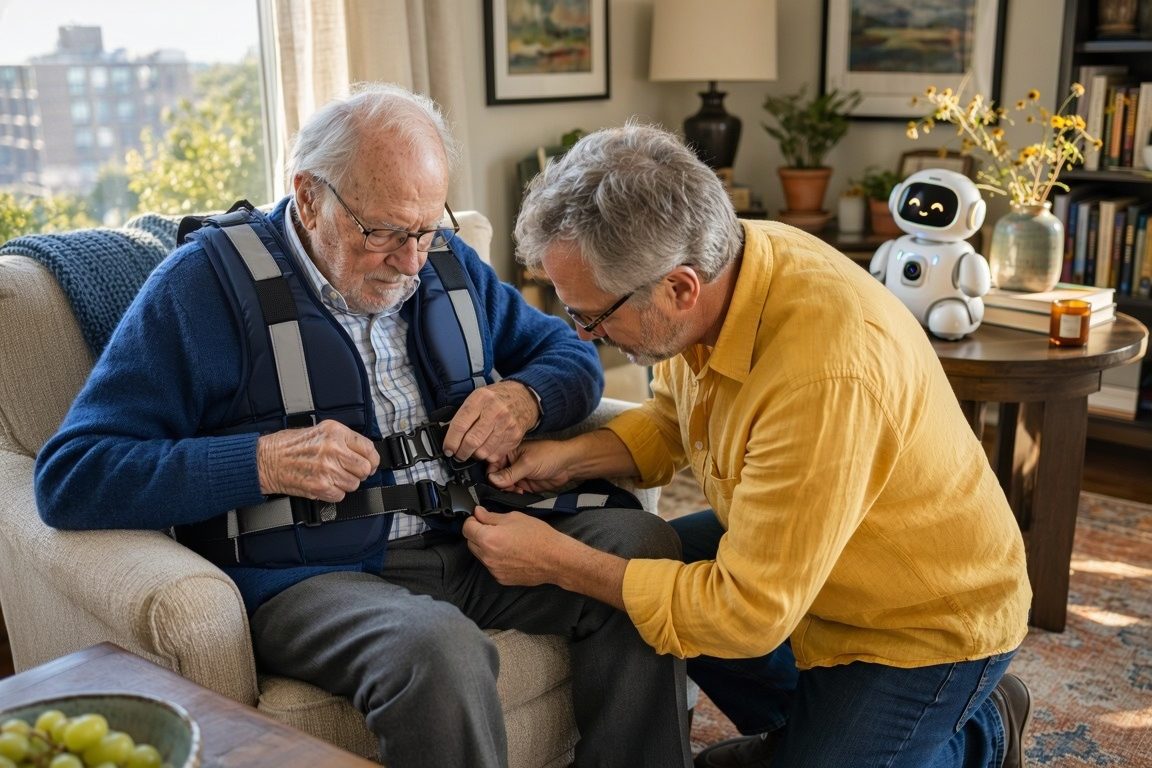
An airbag vest is a wearable device that inflates to cushion a fall. It sounds like a clever solution, but it has real drawbacks. First, the person with dementia must remember to wear it and keep it charged, which becomes harder as the disease progresses. Second, the vest only helps after a fall has started; it does nothing to prevent the fall itself or address the underlying causes, such as balance problems, medication side effects, or environmental hazards. As one care expert noted, the goal should be to reduce the risk of falling, not just to soften the landing. Relying on a vest can give a false sense of security, leading caregivers to overlook more important safety measures like removing tripping hazards or improving lighting.
Technology as a Supplement, Not a Substitute
The most effective use of technology in dementia care is as a helpful tool, not a replacement for human presence. GPS trackers can help locate a person who wanders, but they cannot redirect them or understand why they are walking. Smart home devices can adjust the thermostat or turn off the stove, but they cannot notice that a person is feeling lonely or scared. As one care expert explained, technology should be part of a broader safety plan that includes home modifications, regular check-ins, and professional care. The real value of AI and gadgets is in giving caregivers a bit more freedom and the person with dementia a little more independence, but only when used wisely and with clear limits.
Practical tools
5
The 'Tech Check' Log
Keep a simple notebook or a note on your phone. Each day, write down: what tech device was used, how your loved one reacted, and any problems. After a week, review the log to see patterns. For example, if the robot companion always causes agitation in the afternoon, you know to avoid it then. This tool helps you make decisions based on real data, not hope.
The 'Human First' Safety Plan Template
Create a one-page plan with three columns:
Post it on the fridge. This keeps everyone on the same page and reminds you that tech is just one part of the solution.
The 'Gentle Introduction' Script for Robots
When introducing a robot, say something like: 'This is a little friend that can talk to you. It's just a machine, but it can tell you jokes or play music. Let's try it for five minutes, and if you don't like it, we can turn it off.' Keep the first session short and positive. If they seem uneasy, stop immediately and try again another day with a different approach.
The 'Fall Risk Reduction' Checklist
Before buying an airbag vest, go through this list with your loved one's doctor or therapist:
Only after these steps should you consider a vest.
The 'Tech-Free' Comfort Kit
Sometimes the best tool is no tech at all. Put together a box of simple, comforting items:
Use these when your loved one is upset or bored. These items are often more effective than a robot because they are familiar and don't require learning.
Different situations
Lewy body dementia (LBD)
People with LBD often have visual hallucinations and fluctuating attention. A robot or airbag vest may be confusing or frightening. Introduce any tech very slowly, and be prepared to stop if it triggers paranoia. Also, LBD can cause sudden falls due to blood pressure changes, so an airbag vest may be less effective than addressing the underlying medical issue with a doctor.
Late-stage dementia
In late stages, the person may not be able to understand or use any device. A robot companion may be ignored or cause agitation. Focus on low-tech comfort: a soft blanket, gentle music, or a hand to hold. An airbag vest may be impractical because the person may not tolerate wearing it. Instead, use a low bed, padded floor mats, and close supervision.
Spouse vs. adult child caregiver
A spouse may feel more comfortable using tech because they are with the person most of the time and can monitor it closely. An adult child who visits less often may over-rely on tech to feel in control, which can lead to neglect. If you are an adult child, make sure you have a trusted neighbor or paid caregiver who can check in regularly, and do not let a device replace your presence.
In a facility vs. at home
In a facility, staff may already have safety protocols in place, so an airbag vest or robot may be redundant or even interfere with their care. Ask the facility what they recommend. At home, you have more freedom to choose, but also more responsibility. If you live at home, prioritize fall-proofing the environment and using tech as a backup, not the main plan.
Limited budget or Medicaid
Many high-tech devices are expensive and not covered by insurance or Medicaid. Do not go into debt for a gadget that may not work. Instead, look for low-cost alternatives: a simple baby monitor, a door alarm, or a free app that reminds you of medication times. Local Alzheimer's associations often have loan programs for safety devices.
For the doctor
4
- Ask your loved one's doctor: 'Are there any medical reasons for falls, such as low blood pressure or medication side effects, that we should address before considering an airbag vest?'
- Ask an occupational therapist: 'Can you help me create a fall-proofing plan for our home that might reduce the need for a wearable device?'
- Ask a neurologist: 'Given my loved one's specific type of dementia, would a robot companion be helpful or could it cause confusion or agitation?'
- Ask a social worker: 'Are there any financial assistance programs or loan closets in our area that can help us get safety devices without a big expense?'