Step by step
What not to do
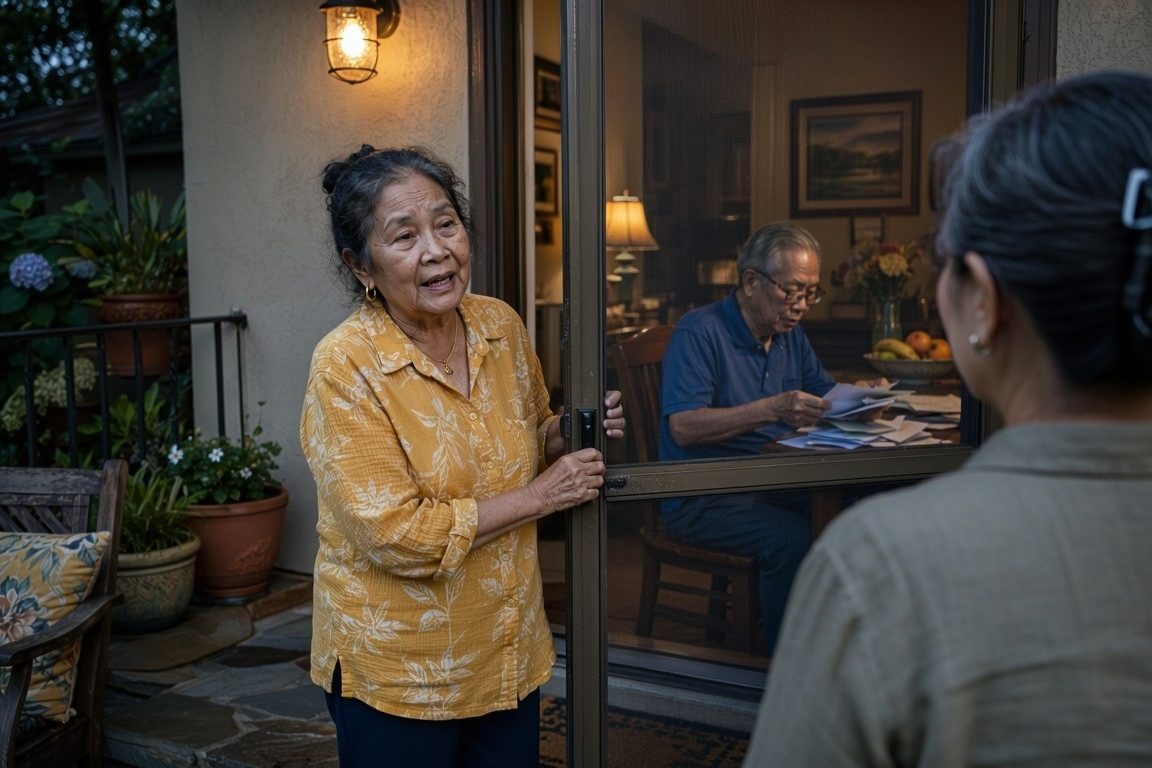
- Do not say 'I'm fine' when someone asks how you are. This shuts down the conversation and reinforces the taboo.Instead, try saying 'It's been a tough week, but I'm managing. Thanks for asking.'
- Do not wait until you are in crisis to ask for help. By then, your judgment is impaired and you may push people away. Ask early, when you still have energy to be clear.
- Do not assume people know what you need. They do not. The research shows that caregivers often feel intrusive, but the people around you are waiting for a specific request. Give them one.
- Do not feel guilty about hiring professional help. Using a home health aide or respite care is not a sign of failure; it is a sign of wisdom. It allows you to be a better caregiver for longer.
- Do not compare your caregiving to others. Every situation is different. Your struggle is valid, and your need for help is real regardless of what others seem to handle.
- Do not let a difficult spouse or parent with dementia block you from getting help. Their refusal of care is a symptom of the disease, not a judgment on you. You have the right to protect your own health.
Key points
- Asking for help is an act of courage, not weakness. It means you are not giving up on yourself or your loved one.
- Name the taboo out loud to reduce its power. 'I am not asking because I feel I should do this alone.'
- Use concrete, specific asks. Do not say 'I need help.' Say 'Can you pick up milk on your way home?'
- Start small. Success with a small ask builds confidence for bigger ones.
- Professional help (respite, home health aides) is a tool, not a betrayal. It allows you to keep caring for longer.
- You are not alone. Millions of caregivers feel the same shame and isolation. Breaking the silence is the first step to relief.
Videos
 The Dance of Caregiving: Acknowledging I am not Invisible with Dr. Edward Smink (Part 1 of 3)Dr. Smink discusses the cultural taboos that keep caregivers invisible and offers a compassionate framework for acknowledging your own needs.
 Why Do Caregivers Refuse Help?This video directly addresses the question of why caregivers shut out offers of help, which is the core of this article.
 Former Wisconsin Governor Martin J. Schreiber, Author of 'My Two Elaines'A personal story from a public figure about the struggle of caregiving and the importance of accepting help, breaking the taboo of silence.
 Family Caregiving Discussions With Elderly Parents Who RefusePractical advice for having the hard conversation when your loved one refuses outside help, a common barrier to seeking support.
2 more videos
 GET THE HELP YOU NEED (When siblings won't help with elderly parents)Targets the specific taboo of family loyalty and offers strategies for getting siblings to step up.
 Navigating the Emotional Terrain of Caregiving: Understanding and Overcoming Caregiver GuiltGuilt is a major emotion that reinforces taboos. This video helps you understand and move past it.
Background
The Taboo of Self-Reliance: 'I Should Be Able to Do This Myself'
Many caregivers, especially those from cultures that prize independence and stoicism, feel an overwhelming pressure to manage everything alone. This belief is often reinforced by family expectations and a personal identity built on being capable. When you think, 'I should be able to handle this,' you are actually setting yourself up for burnout. The truth is, caregiving for a person with dementia is a complex, 24/7 job that no single person can do well indefinitely. The refusal to ask for help is not strength, it is a form of giving up on yourself. As one expert noted, asking for help is actually an act of courage because it means you are not giving up on the person you care for or on your own well-being.
The Taboo of Burdening Others: 'I Don't Want to Be a Nuisance'
Another powerful taboo is the fear of imposing on others. You might worry that asking a sibling, friend, or neighbor for help will make you seem needy or that they will resent you. This feeling is often rooted in a cultural norm that says you should not 'bother' people with your problems. But here is the reality: most people want to help but do not know how. When you shut them out by saying 'I'm fine,' you are actually denying them the chance to support you. The research shows that caregivers often feel intrusive when asking for help, but the people who care about you are likely waiting for a specific, concrete request. They are not mind-readers, and they may be afraid of overstepping.
The Taboo of Family Loyalty: 'We Take Care of Our Own'
In many families, there is an unspoken rule that caregiving is a private, family matter. Bringing in outside help, a home health aide, a support group, or even a counselor, can feel like a betrayal of that loyalty. You may hear an inner voice saying, 'If I hire someone, it means I don't love them enough.' This taboo is especially strong in cultures where elder care is seen as a sacred duty. But the truth is that professional help is not a replacement for love; it is a tool that allows you to keep giving love without destroying yourself. Respite care, for example, is one of the most effective ways to prevent caregiver burnout and elder abuse. Taking a break does not mean you are abandoning your loved one, it means you are ensuring you can stay by their side for the long haul.
The Taboo of Acknowledging Negative Emotions: 'I Shouldn't Feel This Way'
Many caregivers experience deep shame about feelings of resentment, anger, or even wishing their loved one would die. These thoughts are terrifying and can make you feel like a bad person. But they are actually a normal sign of extreme stress and compassion fatigue. The taboo against admitting these feelings keeps you isolated and prevents you from getting the support you need. When you say, 'I can't take it anymore,' that is not a failure, it is a signal that your reserves are empty. Acknowledging these emotions to a trusted friend, a support group, or a therapist is not weakness; it is the first step toward healing. As one expert explained, caregivers who ignore these interior promptings are at high risk for burnout, which is different from simple exhaustion and requires outside support to recover.
Practical tools
6
The 'One-Sentence Ask' Script
Write down and practice this exact phrase: 'I need help with [specific task] on [day/time]. Can you do that?' No apologies, no long explanations. Example: 'I need help with picking up Mom's prescription today at 3 PM. Can you do that?'
The Help Menu Card
Create a small index card or note on your phone with 5–10 concrete tasks. When someone says 'Let me know if you need anything,' hand them the card and say 'Pick one that feels doable for you.' This removes the guesswork and makes it easy for them to help.
The 'Respite First' Calendar
Put a recurring weekly appointment on your calendar for yourself, a walk, a coffee with a friend, a nap. Treat it as seriously as a doctor's appointment. Tell your loved one, 'I have an appointment on Tuesday at 2 PM. Someone will be here with you.' Do not ask permission; state the plan.
The 'Family Meeting' Script
If siblings are not helping, call a brief family meeting (by phone or video). Say: 'I am overwhelmed and I cannot do this alone. I need each of you to commit to one task per week. Here is a list. Please choose one by Friday.' Do not argue about the past; focus on the future.
The 'Support Group' First Step
Find a free online caregiver support group (e.g., Alzheimer's Association, AARP, or local senior center). Just listen the first time. You do not have to talk. Hearing others say 'I feel guilty too' can break the taboo of isolation.
The 'Professional Help' Permission Slip
Write yourself a note: 'Hiring help does not mean I love them less. It means I love them enough to stay healthy for them.' Post it on your mirror. Read it aloud every morning.
Different situations
If you are a spouse caregiver
The taboo of loyalty is often strongest for spouses. You may feel you made a vow 'in sickness and in health' and that asking for help breaks that vow. Reframe it: your vow includes caring for yourself so you can keep caring for them. Start by asking for help with one concrete task, like a neighbor sitting with your spouse for an hour while you take a walk.
If you are an adult child caregiver
You may feel pressure from siblings or from your own sense of duty. The taboo of burdening others is common. Use the 'Family Meeting Script' tool. If siblings resist, stop asking them for explanations. Instead, say 'I am hiring a home health aide for two hours a week. If you want to contribute financially or by taking a shift, let me know.'
If the person with dementia refuses outside help
This is extremely common. The person may feel invaded or suspicious. Use a gradual approach: start with a 'friendly visitor' who comes for a short time while you are still in the house. Say 'This is my friend, they are just here to visit with us.' Over time, extend the visits. Do not force it; work with the person's reality.
If you are from a culture that values family care above all
The taboo of 'we take care of our own' can be very strong. Frame professional help as 'extra hands for the family,' not a replacement. Use language like 'I am bringing in someone to help me so I can be a better daughter/son.' Involve respected elders in the decision if possible.
If you are caring for someone with Lewy body dementia or frontotemporal dementia
Behavioral symptoms like paranoia, aggression, or apathy can make asking for help feel even more shameful. You may worry that others will judge your loved one or you. Remember that these behaviors are symptoms of the disease, not character flaws. A support group specific to these dementias can be invaluable.
For the doctor
4
- If you are experiencing thoughts of harming yourself or your loved one, tell your doctor or call 988 immediately.
- If you are using alcohol or drugs to cope with caregiver stress, discuss this with your primary care provider.
- If you have missed your own medical appointments or are neglecting your own health conditions, ask your doctor for a 'caregiver checkup' to assess your physical and mental health.
- If you are considering placing your loved one in a facility but feel overwhelming guilt, talk to a social worker or geriatric care manager about the options and your feelings.