Step by step
What not to do
- Do not wait until a crisis forces a move, because emergency placement leaves you with no choice and far more regret than proactive planning.
- Do not assume staying at home is always safer, since falls, wandering, and financial exploitation are real dangers, evaluate safety objectively, not just emotionally.
- Do not rely on home care as a complete substitute for facility care, because it is intermittent rather than round-the-clock skilled nursing and is often not covered by Medicare, so you may need to combine it with adult day programs or family help.
- Do not ignore your own health, because caregivers who neglect their own medical needs risk burnout, depression, and earlier death, if you cannot get out of bed, are missing work, or losing relationships, that is a sign you need help, not a sign of failure.
- Do not let guilt drive the decision or make promises like 'I will never put you in a home,' because it sets you up for guilt later, instead, say 'I will always do my best to keep you safe and loved, even if that means making hard choices.'
Key points
- Rural care homes are closing due to staff shortages and population shifts, this is a systemic problem, not your fault.
- Use the three-question safety check (wants, affordability, safety) to guide decisions objectively.
- Caregiver stress is a valid reason for placement; ignoring it harms both you and your loved one.
- Plan ahead: explore facilities, apply for Medicaid early, and build a support network before a crisis hits.
- You can stay involved after placement, visit, attend care meetings, and advocate for your loved one's needs.
- It is okay to feel guilt, but do not let it paralyze you. Focus on love and safety, not perfection.
Videos
 Ep. 223: What's Going On With Rural Care Homes?This video directly addresses the rural care home crisis, including staff shortages and the impact on families. Teepa Snow explains the systemic issues and offers perspective on why this is happening.
 When Is It Time for a Nursing Home? Alzheimer's Dementia CareThis video helps you evaluate the right time for placement, covering safety, caregiver stress, and the emotional struggle. It is a practical guide for making the decision.
 Decisions About Putting A Parent Into a Nursing HomeFocuses on the guilt and psychological mess of placing a parent. Offers strategies to cope with the emotional weight of the decision.
 Is It Right to Put a Parent in a Care Home Against Their Wishes? | Caregiving Expert Tips & AdviceAddresses the painful question of going against a loved one's wishes. Pamela Wilson provides guidance on balancing respect for autonomy with safety needs.
2 more videos
 Spirituality, Faith, & Care with Laurette Klier, Christine Droney, Elisa Bosley, & Paula MullerExplores the role of faith communities in supporting caregivers. Useful if you are looking for spiritual or church-based support during this difficult time.
 Dr. Catie Chung 'You Don't Know What You Don't Know' with Senior CareHighlights hidden aspects of senior care that families often miss. Helpful for understanding what to look for in a facility and how to advocate effectively.
Background
Why Rural Care Homes Are Closing
Rural care homes are shutting down primarily because they cannot find enough staff. As Teepa Snow explains, the rural population is migrating to cities where jobs pay more and offer better opportunities. Care homes that have served communities for years suddenly cannot hire workers, leading to closures. This is not just a US problem, it is happening in Canada too, where one road in and out of a town can make travel dangerous and exhausting for families trying to visit or access care.
The Consequences for Families
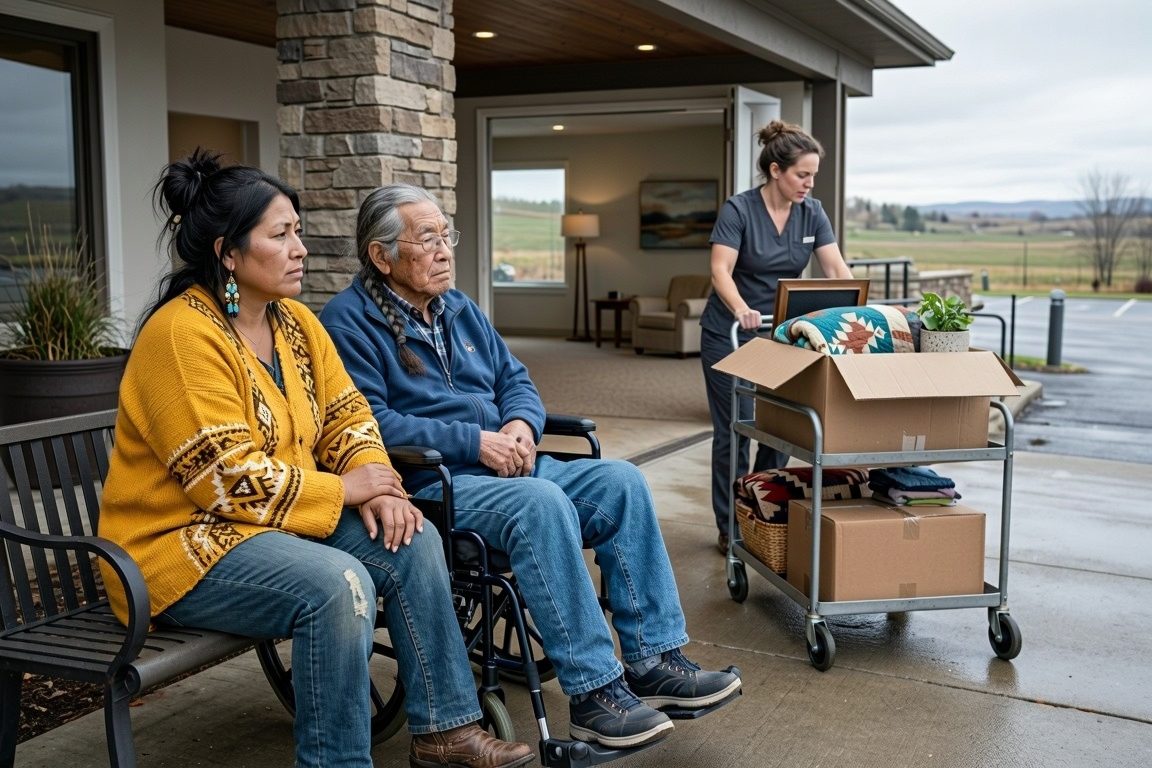
When a local care home closes, families face a cascade of challenges. You may have to place your loved one in a facility far away, which means long drives on difficult roads, increased fatigue, and less frequent visits. The emotional toll is immense: you may feel guilt, fear, and a sense of failure, especially if you had to move your parent or spouse against their wishes. Financially, you might have to pay for expensive home care or travel costs, and if Medicaid is your only option, you could face waiting lists and limited choices.
The Emotional Weight of the Decision
Making the decision to place a loved one in a care home, especially when the local option disappears, is psychologically messy. As one caregiver described, it is a 'psychological mess' filled with nightmares and stress, especially when you have young children at home. You may feel torn between your own health and your loved one's wishes. Experts like Pamela Wilson remind us that caregivers often neglect their own well-being, trading time and joy for care duties. Recognizing this emotional burden is the first step toward making a clear-headed decision.
Practical tools
5
The Three-Question Safety Check
Ask yourself every month:
If any answer is 'no' or uncertain, it is time to explore other options, this separates emotion from fact.
Script for Talking About the Move
When your loved one resists, use: 'I know this is hard. I am doing this because I love you and I want you to be safe. We will get through this together.' Avoid arguing or justifying, and repeat as needed, this comes from dementia care experts who emphasize validation over logic.
Facility Visit Checklist
Print a checklist covering:
Rate each item 1-5 and compare facilities side by side so you are not swayed by a friendly tour guide alone.
Travel Time Reality Check
Use a mapping app to calculate driving time in good and bad weather, add 30 minutes for rest stops, then ask: Can I realistically make this trip twice a week? If not, consider a facility closer to a family member who can share visits, or use telehealth for care conferences.
Caregiver Stress Self-Assessment
Rate yourself 1-10 on:
If your average is above 6, it is time to seek help, this is based on expert guidance for preventing caregiver burnout.
Different situations
Early-stage dementia vs. late-stage
In early-stage, your loved one may still be able to participate in decisions and may benefit from adult day programs or in-home help. In late-stage, safety concerns (wandering, falls, swallowing issues) become urgent, and a facility with 24/7 skilled nursing is often necessary regardless of distance.
Spouse caregiver vs. adult child caregiver
Spouses often feel a deeper sense of duty and may resist placement longer, risking their own health. Adult children may face sibling conflict and guilt about 'putting Mom away.' Both roles benefit from counseling and support groups tailored to their specific relationship dynamics.
Lewy body dementia or Parkinson's disease dementia
These conditions involve fluctuating cognition, hallucinations, and movement issues. A facility must have staff trained in managing these symptoms. Ask specifically about experience with Lewy body or Parkinson's. Also, medications like cholinesterase inhibitors may help; discuss with a neurologist before any move.
Medicaid-only or limited financial resources
If Medicaid is your only option, you may face long waitlists and limited facility choices. Start the application process early, sometimes months before a move is needed. Some states have 'Medicaid bed hold' policies that reserve a bed for a limited time if your loved one is hospitalized. Ask about this.
Living in a very remote area (e.g., one road in/out)
If the only road is prone to fog, rain, or accidents, you must plan for emergencies. Keep a 'go bag' in the car with essentials. Consider relocating your loved one to a facility in a larger town where you can stay nearby temporarily. This is a hard but sometimes necessary step.
For the doctor
5
- Ask your doctor: 'Given my loved one's specific diagnosis and stage, what are the medical risks of staying at home versus moving to a facility?'
- Ask about medication management: 'Can my loved one's current medications be safely administered at home, or do they require skilled nursing oversight?'
- Discuss fall prevention: 'What specific exercises or equipment (like hip protectors) could reduce fall risk at home?'
- Ask about palliative care: 'Would a palliative care consult help manage symptoms and improve quality of life, whether at home or in a facility?'
- Inquire about hospice eligibility: 'If my loved one's condition is terminal, would hospice services be available at home or in the facility we are considering?'