
Step by step
What not to do
- Do NOT argue or try to convince them. Arguing uses logic, but the person’s brain can no longer process logical reasoning. Saying 'You haven’t bathed in a week' will only make them defensive or upset.Instead, use a calm statement and redirect to the activity.
- Do NOT force or physically restrain them. Forcing a person into the shower or tub can cause injury, trauma, and a lasting fear of bathing. If they are adamant, stop and try a different approach later. Safety and trust are more important than a single bath.
- Do NOT scold or shame them. Saying things like 'You’re dirty' or 'You smell bad' will damage their dignity and your relationship. They may not even be aware of their own hygiene. Keep your tone neutral and kind.
- Do NOT leave them alone in the bathroom. A person with dementia can become confused, fall, or turn the water too hot. Stay with them at all times, but give them as much privacy as possible by covering them with a towel and turning your back when appropriate.
- Do NOT use cold water or a cold room. A cold bathroom will make them want to keep their clothes on. Always warm the room and the water before they undress. Test the water temperature with your wrist, it should be comfortably warm, not hot.
- Do NOT rush. Moving quickly will increase their anxiety and resistance. Slow down, talk softly, and give them time to process each step. Rushing signals danger to their brain and will trigger a fight-or-flight response.
Key points
- Bathing resistance is usually caused by fear, pain, cold, or loss of control, not stubbornness.
- Never ask 'Do you want to bathe?' Use a calm statement that makes it part of a routine.
- Warm the room to a temperature that feels hot to you, they will feel cold otherwise.
- Let the person help: hold a washcloth, squeeze shampoo, or choose a towel.
- If they refuse completely, use sponge baths, no-rinse wipes, or the 'top and tail' method.
- Consider a professional caregiver if the person resists family help, a neutral helper can work wonders.
- Protect dignity at all times: cover them with a towel, go slow, and explain each step.
Videos
 3 Steps to Helping Your Parent with Dementia That Refuses HelpThis video breaks down the core reasons for refusal and gives a simple three-step framework to reduce battles and restore peace.
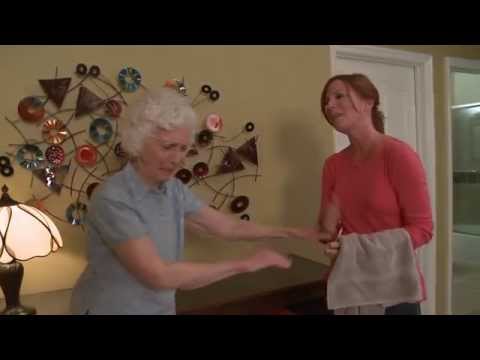 Caregiver Training: Refusal to Bathe | UCLA Alzheimer's and Dementia CareA realistic, compassionate demonstration of how to handle a real-life refusal scenario, including specific phrases and body language.
 Family Caregiving Discussions With Elderly Parents Who RefuseFocuses on the communication side of resistance, how to talk so they will listen, especially for adult children caring for parents.
 How Do You Persuade Someone With Dementia To Bathe?Offers creative persuasion techniques, including using their favorite activities as motivators (e.g., 'Let’s wash up before dinner').
2 more videos
 Alzheimer's LA Caregiver Tips - Ep. 5 'Bathing'Short, practical tips on timing, environment, and respecting the person’s feelings to reduce anxiety around bathing.
 Why Elderly Parents Refuse to BatheExplores the psychological and physical reasons behind refusal, helping caregivers understand the 'why' before trying solutions.
Background
Why They Resist: It’s Not About You
When a person with dementia refuses to bathe, it is almost never about being stubborn or ungrateful. Their brain is changing, and the experience of bathing can feel genuinely frightening or confusing. Many people with dementia lose the ability to understand why bathing is necessary. They may not feel dirty, they may not remember the last time they bathed, and being told to undress and get into water can feel like an attack. As one expert notes, a person who resists a bath may feel under attack when someone tries to help them. This is not a logical refusal; it is a survival response.
Common Hidden Causes: Fear, Pain, and Sensory Overload
Fear is one of the biggest drivers. The person may be afraid of falling on a slippery floor, afraid of the water from the shower head, or afraid of drowning. They may also be in pain from arthritis or other conditions, and the movements required to undress or step into a tub can hurt. Sensory issues play a huge role too. Many people with dementia have trouble regulating body temperature and feel cold easily. A bathroom that feels warm to you may feel freezing to them. The sound of running water, the bright lights, and the unfamiliar feel of a shower spray can all be overwhelming. Additionally, they may have depth perception problems (common in Lewy body dementia) that make stepping over a tub edge genuinely terrifying.
Loss of Control and Privacy
Bathing is a deeply private and personal activity. For someone with dementia, having a caregiver help them undress and wash can feel like a violation. They may feel embarrassed, vulnerable, or that their dignity is being stripped away. Resistance can also be a way of asserting control when so much else in their life feels out of their hands. As one source explains, when someone feels like they are losing control, the pushback can be a way to show they still have some say. Understanding this helps you shift from a battle of wills to a collaborative, respectful approach.
Practical tools
6
The 'Calendar' Script
Use a visual calendar to make bathing a predictable routine. Point to the day and say, 'See? Wednesday is a shower day. Let’s go get ready.' This removes the element of surprise and makes it feel like a scheduled event, not a demand. You can put a picture of a shower or a bar of soap on that day.
The 'Spa' Setup
Transform the bathroom into a calming spa-like space. Use dim lighting (or a nightlight), play soft music, and add a pleasant scent like lavender (if they are not sensitive to smells). Have a warm, fluffy towel ready. Use a shower chair and a hand-held shower head so they can sit and you can control the water. This reduces fear of falling and makes the experience feel like a treat.
No-Rinse Bath Wipes and Sponge Bath Kit
Keep a pack of no-rinse bath wipes (such as Comfort Bath or similar brands) on hand for days when a full shower is impossible. These are large, thick wipes that clean without water. Also have a basin of warm water, a washcloth, and mild soap for a sponge bath. This allows you to maintain hygiene without the stress of a full bath.
The 'Top and Tail' Approach
Break bathing into two separate sessions. On one day, wash the upper body (face, arms, underarms, chest). On another day, wash the lower body (legs, feet, groin). This is less overwhelming and can be done while the person is sitting in a chair or on the toilet. Use a towel to cover the parts you are not washing.
The 'Manicure/Pedicure' Gateway
Start by offering to soak their hands or feet in warm water with a little Epsom salt or gentle soap. While they enjoy the warm water, gradually wash their arms or legs. Follow up with lotion and a gentle massage. This feels like pampering, not bathing, and can lower their defenses.
Visual Cues and Contrast
Many bathrooms are all white or beige, making it hard for a person with dementia to see the tub, toilet, or grab bars. Add high-contrast items:
This helps them navigate safely and reduces fear of falling.
Different situations
Lewy body dementia
People with Lewy body dementia often have extreme sensitivity to temperature and may have visual hallucinations or depth perception problems. They may be terrified of water or shadows. Use very warm water, avoid sudden movements, and keep the bathroom well-lit. A hand-held shower head is essential so you can control the water flow and avoid spraying their face. They may also have 'fluctuating' cognition, try bathing during a 'good' period of the day.
Late-stage dementia (bedbound or chairbound)
Full baths or showers may be impossible. Focus on bed baths using no-rinse wipes or a basin of warm water. Wash one section at a time, keeping the rest of the body covered with a towel for warmth and dignity. Use a waterproof pad under them. You can also use a 'shampoo cap' (no-rinse shampoo cap) for hair washing. Always check for skin breakdown and pressure sores.
Spouse vs. adult child caregiver
A spouse may have a harder time being seen as an authority figure. The person may still see their spouse as a partner, not a helper. In this case, consider hiring a home health aide for bathing. An adult child may have more success using a gentle, respectful tone and framing it as 'helping Dad get cleaned up.' Both roles benefit from using the 'same-sex helper' strategy if possible.
In a care facility
Facility staff can use many of the same strategies, but they have the advantage of a team. They can schedule baths at the person’s best time of day, use a lift for safety, and have multiple staff to assist. Family members can advocate by telling staff what works at home (e.g., favorite music, specific phrases, or a preferred shower chair). If the person resists, the facility should try again later rather than force the issue.
Medicaid or limited budget
You do not need expensive equipment. A sturdy plastic lawn chair can serve as a shower chair. Use a large plastic cup or pitcher instead of a hand-held shower head. No-rinse wipes can be bought in bulk online. Many local Alzheimer’s associations loan out bath benches or grab bars for free. Focus on the low-cost tools: warm room, calm voice, and a towel for privacy.
For the doctor
5
- If the person has a history of falls or is unsteady on their feet, ask the doctor for a physical therapy evaluation to improve balance and strength before attempting tub or shower bathing.
- If the person is in pain during bathing (e.g., from arthritis or old injuries), discuss pain management options with their doctor, including timing baths around pain medication schedules.
- If the person has a urinary tract infection (UTI), which can cause sudden confusion and agitation, get it treated promptly. UTIs often make bathing resistance worse.
- If the person has skin breakdown, rashes, or pressure sores, ask a nurse or doctor for a skin care plan and safe bathing products.
- If the person is on blood thinners, discuss the risk of injury from falls during bathing and whether a bed bath is safer.