Step by step
What not to do
- Do not dismiss depression as normal aging; treat it as a medical condition requiring professional evaluation.
- Do not force a reluctant senior to volunteer; instead offer a low-pressure observation or single event.
- Do not overcommit hours initially, especially as a caregiver; start small to reduce stress, not add to it.
- Do not compare your progress to others; any step toward connection is valid, and adjustment takes time.
- Do not neglect your own self-care while volunteering; use the time as a restorative break, not another obligation.
Key points
- Volunteering provides a sense of purpose and gets you out of your own problems, which directly combats depression and isolation.
- Depression is not a normal part of aging; it is a treatable condition that often goes unnoticed in seniors.
- Start with small, manageable commitments and choose roles that match your interests to ensure long-term success.
- For caregivers, volunteering can reduce isolation by connecting you with peers who understand your challenges.
- Always consult a doctor if depression persists or if cognitive changes appear, as these may require medical treatment.
- Use tools like conversation starters, mood journals, and respite care checklists to make volunteering easier and more effective.
Videos
 Seniors and Isolation (Depression and Loneliness Tips)This video offers practical tips for seniors feeling isolated, including the role of volunteering in building social connections.
 Dementia and Depression in ElderlyExplains the link between dementia and depression, helping caregivers understand why volunteering can be beneficial for early-stage patients.
 President of Talk About Aging, Janice Goldmintz Discusses the '6 Not-So-Secrets to Successful Aging'Covers key strategies for successful aging, including staying socially active through volunteering and community involvement.
 Healthy Eating for Seniors (Mini-Series Part 2)Addresses how depression can suppress appetite and how getting out to a senior center for meals can help improve nutrition and mood.
2 more videos
 How Can Peer Support Combat Caregiver Isolation?Directly addresses caregiver isolation and how peer support, including through volunteer roles, reduces feelings of loneliness and burden.
 Dementia Caregiver AngerHelps caregivers manage anger and frustration, which can be alleviated by taking time for volunteer work and self-care.
Background
Why Depression and Isolation Happen
Depression in older adults is not a normal part of aging, yet it is frequently overlooked. Life changes such as retirement, loss of friends, medical problems, and the death of loved ones can trigger a persistent sad mood. Many seniors fail to recognize their own symptoms, which may include memory difficulties, fatigue, loss of appetite, sleep problems, or a desire to stay home rather than socialize. When left untreated, depression can harm physical health, concentration, and overall enjoyment of life. It is estimated that about 6 million older Americans suffer from depression, but many never seek treatment because they assume these feelings are just part of getting older.
How Volunteering Helps
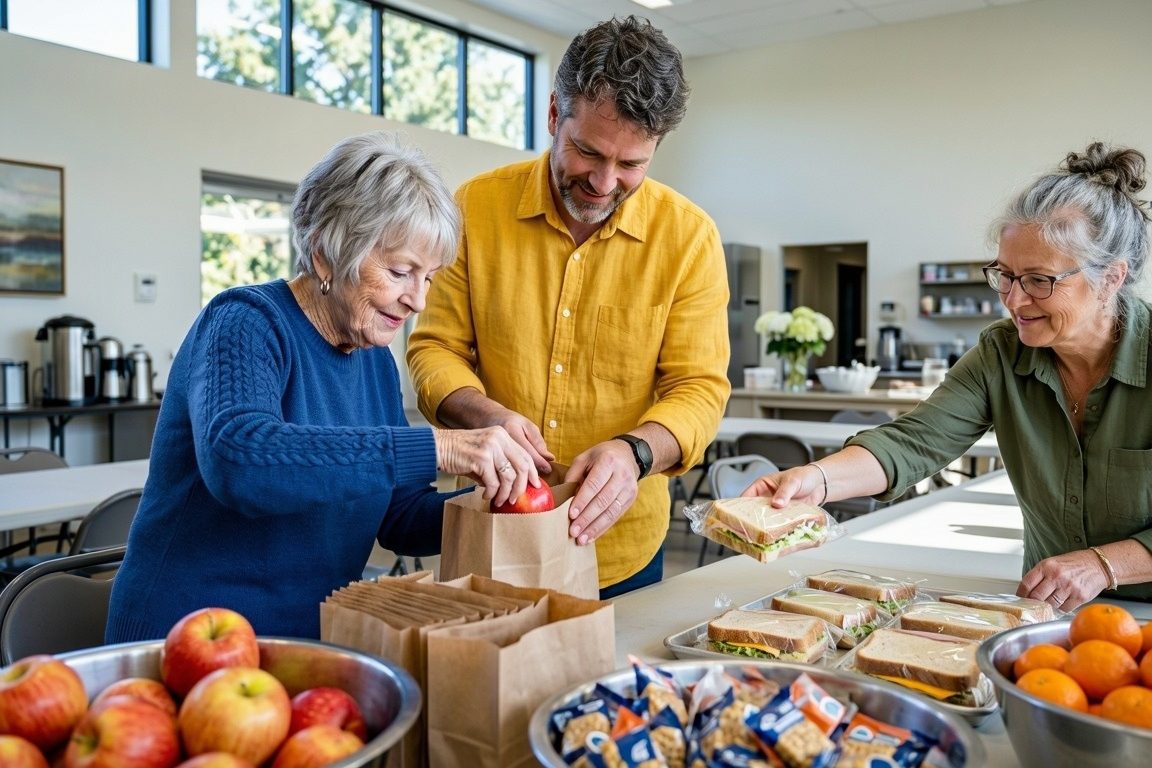
Volunteering at a senior center provides a sense of purpose after retirement, which is especially important when a person feels lost or without direction. Helping others who are less fortunate can put personal problems into perspective and reduce feelings of self-pity. The act of giving back also gets you out of your own challenges and into a supportive community where shared experiences foster understanding and empathy. For caregivers, volunteering can combat the profound isolation that comes from focusing all energy on a loved one's needs. Peer support through volunteer work validates your struggles and reminds you that you are not alone.
The Link Between Dementia and Depression
Many people in the early stages of dementia also show signs of depression. Cognitive changes such as memory loss or loss of interest in hobbies can be due to dementia, depression, or both. It is critical never to assume that cognitive decline is simply old age; a medical professional should assess any changes. Depression can make dementia symptoms worse, and untreated depression can lead to neglect of personal care and further isolation. Volunteering in a structured, low-pressure environment can help maintain social connections and provide a gentle routine that benefits both mood and cognition.
Practical tools
5
Conversation Starters for Shy Seniors
Prepare simple open-ended questions:
These reduce pressure and facilitate connection.
Weekly Volunteer Schedule Template
A visible weekly calendar listing one or two volunteer shifts with day and role. Provides structure and a proactive focus, countering aimlessness.
Respite Care Coordination Checklist
A list of backup contacts (agencies, neighbors, adult day programs) to stay with your loved one while you volunteer alone. Include low-cost or free options.
Mood Tracking Journal
A notebook to rate mood (1–10) before and after each session and note one positive event. Reveals patterns and reinforces the uplift from volunteering.
Depression Symptom Checklist for Older Adults
Signs often dismissed as aging but indicating treatable depression:
Share with a doctor if several apply.
Different situations
For a senior with early-stage dementia
Choose volunteer roles that are simple, repetitive, and supervised, such as folding newsletters, watering plants, or greeting visitors. Avoid roles that require complex instructions or memory of multiple steps. Start with very short shifts (30 minutes) and have a familiar person nearby. The structure and social contact can help slow cognitive decline and reduce depression. Always have a backup plan if the person becomes confused or agitated.
For a family caregiver feeling isolated
Volunteer at a senior center that also offers caregiver support groups. This way, you can serve others and also receive support yourself. Look for roles that involve peer mentoring or leading a group, as these directly combat isolation by building community. If you cannot leave your loved one, ask if the center has virtual volunteer opportunities, such as phone check-ins with homebound seniors.
For a spouse caregiver vs. an adult child caregiver
Spouse caregivers may feel guilt about taking time away from their partner. Start by volunteering together if the partner is in early stages, or use respite care. Adult child caregivers often juggle work and family; choose a volunteer role that fits into your existing schedule, such as a Saturday morning shift. Both roles benefit from peer support, but the emotional weight differs: spouses may need more grief support, while adult children may need practical advice on balancing responsibilities.
For a senior with physical limitations
Ask the senior center about seated volunteer roles, such as reading to others, making phone calls, or sorting supplies. Ensure the environment is comfortable: a padded chair, good lighting, and easy access to restrooms. If mobility is an issue, inquire about transportation services or volunteer opportunities that can be done from home, like writing cards or assembling care packages.
For a senior who is grieving a loss
Grief and depression often overlap. Volunteering can help by providing a sense of purpose and a reason to get out of bed. However, start slowly and allow yourself to feel sad without pressure to 'cheer up.' Many senior centers have grief support programs that can be combined with volunteer work. If appetite is suppressed, eating a meal at the center's cafeteria can help, as being in a different setting sometimes stimulates appetite.
For the doctor
4
- If you or your loved one has thoughts of suicide or self-harm, call 911 or your local emergency number immediately. Discuss any suicidal feelings with a doctor or mental health professional without delay.
- If depression symptoms last more than two weeks despite volunteering and other self-care, ask your doctor about medication or therapy. Do not assume volunteering alone will cure clinical depression.
- If you notice cognitive changes such as memory loss or confusion, do not assume they are just aging or depression. Have a medical professional assess for dementia or other conditions before starting a volunteer program.
- If you are a caregiver and feel overwhelmed, irritable, or unable to sleep, discuss caregiver burnout with your doctor. They may recommend respite services, counseling, or a depression screening.