Step by step
What not to do
- Don’t turn the coaching session into a performance review. If you focus on ‘you did this wrong,’ the care partner will shut down.Instead, frame it as ‘let’s find what works better together.’
- Don’t skip the observation step. Trying to coach without watching first leads to generic advice that may not fit the situation. Always see the interaction firsthand.
- Don’t give more than one or two suggestions per session. Overloading the care partner with changes makes them feel overwhelmed and less likely to try anything. Pick the most impactful tweak.
- Don’t assume the coach knows everything. Even a PAC-certified coach is still learning. Encourage the coach to say, ‘I’m not sure, let’s look that up together.’ This models humility and growth.
- Don’t use the coaching cycle only when there’s a crisis. Regular, low-stress coaching builds trust and skill. If you only coach after a meltdown, it feels punitive.
Key points
- The PAC coaching cycle is a supportive, non-judgmental loop of observe, give feedback, practice, and repeat.
- Start with one small challenge and one small change, don’t try to fix everything at once.
- Use concrete tools like the ‘One Small Shift’ card and the observation checklist to keep feedback focused.
- Supervisors: build coaching into your regular schedule, not just during crises.
- Family care partners: find a trusted friend or support group member to be your coach, no certification needed.
- Always frame feedback around what went well first, then offer one gentle suggestion.
- The cycle works for all roles: care partners, staff, supervisors, and even people with early-stage dementia.
Videos
 Recognizing the Value of Care Planning Paired with Dementia EducationThis video shows how pairing care planning with ongoing education (like the coaching cycle) improves outcomes. It’s a great example for supervisors who want to integrate coaching into their team’s workflow.
 SUP! Straight Up PositiveThis video offers a direct, no-nonsense look at using positive approaches in real care situations. It’s useful for care partners who want to see the coaching cycle in action with concrete examples.
 PAC Live @ 5 - Care Partner Perspective: Brenda RobertsBrenda Roberts shares her personal experience as a care partner using PAC skills. Her story illustrates how the coaching cycle can feel from the learner’s side, making it relatable for family caregivers.
Background
What the PAC Coaching Cycle Is and Why It Matters
The PAC coaching cycle is a method from Teepa Snow’s Positive Approach to Care that pairs a coach (someone skilled in PAC techniques) with a care partner or staff member to improve how they interact with someone living with dementia. Unlike a one-time training, this cycle is ongoing: you observe, you practice, you get feedback, and you try again. It’s built on the idea that learning happens best when you can see what you’re doing, hear how it lands, and adjust in real time. For supervisors, it’s a way to support staff without making them feel judged, because the focus is always on the person with dementia, not on ‘fixing’ the caregiver.
How the Cycle Works in Practice
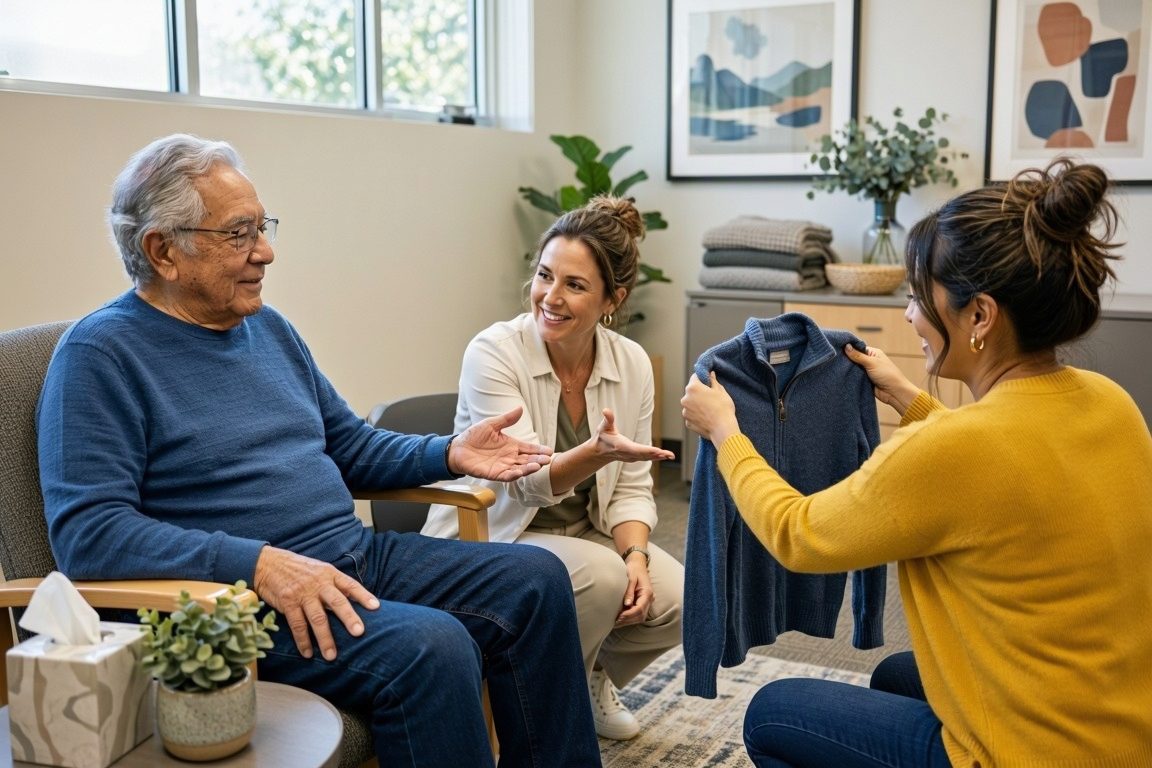
The cycle typically has three phases: first, the coach observes a care interaction (like helping with bathing or redirecting during agitation). Second, the coach and care partner meet to discuss what went well and what could shift, using PAC language like ‘hand-under-hand’ or ‘positive physical approach.’ Third, the care partner tries the new approach, and the coach observes again. This loop repeats until the skill feels natural. For a supervisor, this means scheduling short, regular check-ins, not just annual reviews. For a care partner, it might mean asking a PAC-certified mentor to watch you during a difficult moment and give you one or two small tweaks to try next time. The goal is always to build confidence, not to overwhelm.
Why It Works for Different Roles
Care partners often feel isolated, especially when they’re family members. The coaching cycle gives them a trusted ally who can say, ‘I see you struggling with that, here’s a different way to hold the spoon.’ Supervisors benefit because coaching reduces turnover: staff who feel supported are less likely to burn out. And for the person with dementia, the cycle means more consistent, compassionate care because everyone is learning the same PAC approach. As one PAC-certified coach put it, ‘If I teach something, I learn it’, so the coach grows too. The cycle isn’t a hierarchy; it’s a partnership.
Practical tools
4
The ‘One Small Shift’ Feedback Card
A simple index card you keep in your pocket. On one side, write ‘What went well:’ and on the other, ‘One thing to try next time.’ After observing, fill it out together with the care partner. This keeps feedback positive and focused. Example: ‘What went well: You used a soft tone. One thing to try: Offer a choice between two shirts instead of asking ‘What do you want to wear?’
The PAC Observation Checklist
A short list of PAC skills to watch for during an observation:
The coach checks off what they see and notes one area to develop. This makes feedback concrete.
The ‘Try It Twice’ Commitment
After a coaching session, the care partner agrees to try the new approach at least two times before the next check-in. This reduces the pressure to get it perfect the first time. The coach says, ‘Just try it twice, even if it feels awkward. Then we’ll talk about what happened.’
The Weekly Coaching Log
A shared notebook or digital document where the coach and care partner jot down one win and one challenge from the week. Example: ‘Win: Used hand-under-hand during toothbrushing, no resistance. Challenge: Still struggling with bath refusal.’ This builds a record of progress and helps spot patterns.
Different situations
For a family care partner (spouse or adult child) at home
The coaching cycle may feel more informal. You don’t need a formal PAC certification, just a friend or support group member who knows PAC basics. Schedule coaching during a calm time, like after breakfast. Use the ‘One Small Shift’ card. If you’re the coach, remember your loved one is also a care partner; be gentle and avoid sounding like a teacher. Focus on one routine (like dressing) until it feels easier.
For a supervisor in a facility or home health agency
Build coaching into your weekly schedule, not just when problems arise. Pair newer staff with a PAC-trained mentor for the first month. Use the observation checklist to ensure consistency. If staff are resistant, explain that coaching is about supporting them, not evaluating them. Offer a small incentive (like a gift card) for completing a coaching cycle. For home health, do coaching via video call if you can’t be in person, observe a caregiver during a visit and give feedback afterward.
For a staff member who is also a PAC coach
You may feel pressure to have all the answers. It’s okay to say, ‘I’m not sure, let’s figure this out together.’ Use the ‘Try It Twice’ tool to encourage experimentation. If you’re coaching a peer who is also a friend, set clear boundaries: coaching time is for skill-building, not venting. If you’re coaching a supervisor, ask them to be open to feedback, model the behavior you want to see.
For a person with early-stage dementia who is also a care partner (e.g., to a spouse)
The coaching cycle can be adapted to be very short and low-pressure. Use a timer: 5 minutes of observation, 5 minutes of feedback. Focus on one small skill, like using a calm voice. The coach should be patient and repeat instructions if needed. Avoid any language that feels like criticism. Celebrate every small win. If the person with dementia is also the care recipient, the coaching might involve a third person (like a home health aide) to avoid role confusion.
For the doctor
3
- If the care partner or person with dementia has a history of trauma or anxiety, discuss with a therapist or social worker before starting coaching, feedback, even positive, can feel triggering.
- If the care partner is experiencing significant burnout or depression, coaching may need to be paused until they have more emotional support. Talk to a doctor or counselor.
- If the person with dementia has a condition like Lewy body dementia with frequent hallucinations, coaching techniques may need to be adjusted. Ask the neurologist or geriatrician for guidance on safe approaches.