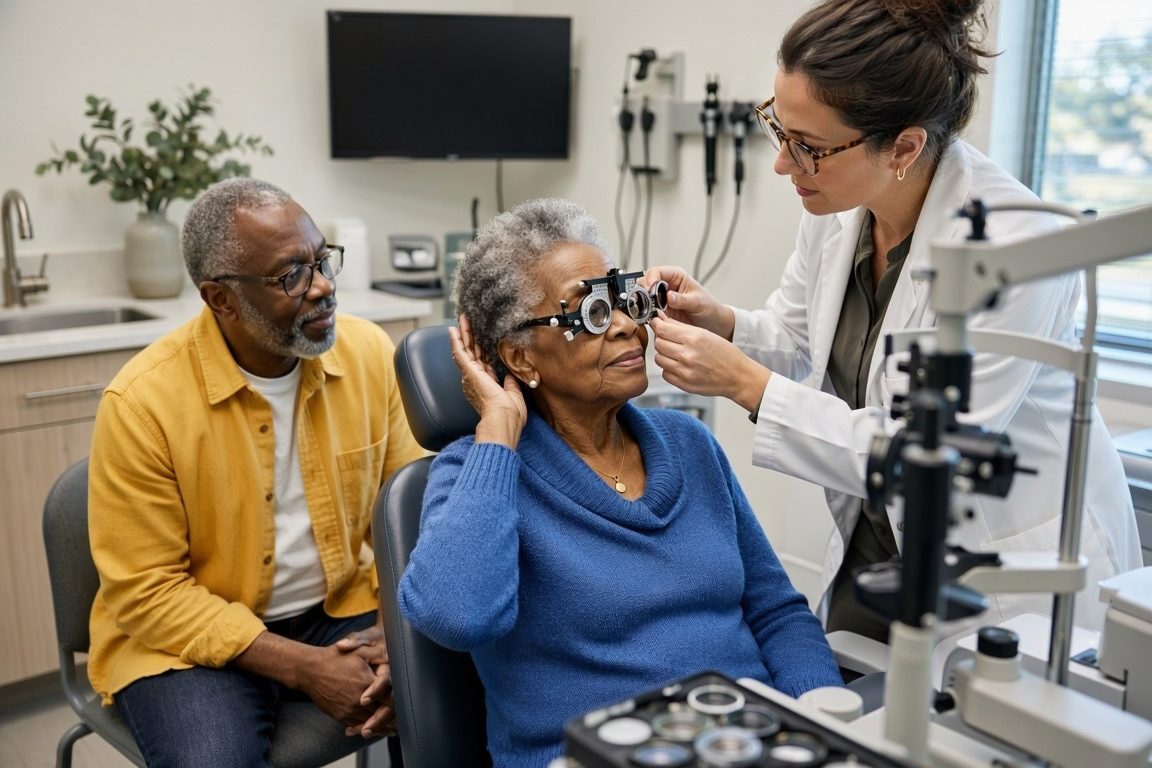
Step by step
What not to do
- Don't dismiss sensory changes as 'normal aging', untreated vision or hearing loss is a modifiable risk factor for dementia.
- Don't force hearing aids or glasses on a resistant person; instead, use gentle encouragement and frame benefits around what they value.
- Don't rely solely on self-report of sensory problems; watch for signs like increased TV volume, squinting, or withdrawing from conversations.
- Don't treat corrective devices as 'set and forget', hearing aids need regular cleaning, glasses need updated prescriptions, and adjustment needs support.
- Don't let sensory loss shrink your loved one's world, adapt activities rather than abandoning them.
Key points
- Untreated vision and hearing loss are modifiable risk factors for dementia, getting glasses and hearing aids can help protect brain health.
- A reduced sense of smell can be an early sign of Alzheimer's, sometimes appearing before memory problems.
- Sensory impairments increase cognitive load, social isolation, and fall risk, all of which contribute to cognitive decline.
- Multisensory decline (problems with more than one sense) may be a stronger risk factor than any single sensory issue.
- Simple environmental changes, like better lighting, reduced clutter, and high-contrast items, can improve safety and quality of life.
- Regular sensory check-ups and open communication with healthcare providers are essential for early intervention.
Videos
 This One Strange Sign Could Mean Dementia Is Coming…Discusses smell loss as an early indicator of dementia, which is directly relevant to the sensory impairment topic.
 Surprising Symptoms of Dementia: PART 2Covers less obvious symptoms including sensory changes, helping caregivers recognize early warning signs.
 What Is The Relationship Between Hearing Loss And Dementia?Explains the strong link between hearing loss and dementia risk, and the protective role of hearing aids.
 14 Ways to Cut Your Dementia Risk in Half (Backed by Science)Provides actionable risk reduction strategies, including addressing sensory impairments.


Background
How Sensory Impairment Affects the Brain
When your loved one has trouble seeing, hearing, or smelling, it does more than just make daily life harder. Research shows that sensory impairments can place an extra burden on the brain, known as cognitive load. This happens because the brain has to work harder to interpret fuzzy or missing sensory information, leaving less mental energy for memory, problem-solving, and other thinking tasks. Over time, this constant extra effort may contribute to cognitive decline. Additionally, when senses are impaired, people often become less socially engaged and less physically active, which are both protective factors for brain health. For example, untreated hearing loss can lead to social isolation, which is itself a risk factor for dementia.
The Specific Roles of Vision, Hearing, and Smell
Each sense has a unique connection to brain health. For vision, studies have found that untreated vision loss, such as from cataracts or uncorrected refractive error, is linked to a higher risk of cognitive impairment and dementia. The link may partly be due to shared underlying conditions like diabetes, but some research suggests vision loss itself increases dementia risk. Hearing loss is particularly well-studied: the greater the hearing loss, the higher the dementia risk, but wearing hearing aids appears to protect against cognitive decline. Smell is especially intriguing because the olfactory bulb, which processes smells, is directly connected to brain regions involved in memory, like the hippocampus. In Alzheimer's disease, these areas are often damaged early, and a reduced ability to identify or distinguish smells can appear even before other common symptoms. In fact, some studies suggest smell tests may detect early Alzheimer's better than standard cognitive tests.
Multisensory Decline and Cumulative Risk
It is common for older adults to experience decline in more than one sense at a time. This is called multisensory impairment, and it may have a stronger link to cognitive decline than any single sensory problem. One study found that a combined measure of sensory dysfunction across all five senses predicted worse cognitive function five years later. The good news is that many sensory problems are modifiable. For example, millions of Americans have untreated vision or hearing loss, yet simple interventions like glasses and hearing aids are minimally invasive and unlikely to cause harm. Addressing these issues may not only improve quality of life but also help reduce dementia risk.
Practical tools
5
The 'Sensory Check' Conversation Starter
Use a gentle script to bring up sensory concerns without blame: 'I've noticed you've been having a harder time with [seeing/hearing/smelling] lately. I'm worried it might be making things harder. Would you be open to getting it checked out? I can go with you.'
Home Safety Checklist for Sensory Loss
Review room by room:
Sensory Change Tracker
For each sense (vision, hearing, smell), log changes observed, when they started, and how they affect daily life. Once a month, do a quick at-home smell check: ask your loved one to identify a common scent (e.g., vanilla, coffee, lemon) with eyes closed, and record the result.
Hearing Aid Adjustment Period Plan
Introduce hearing aids gradually:
Praise each step.
Visual Contrast Aids for Daily Living
Use high-contrast items:
Different situations
For someone with early-stage Alzheimer's or mild cognitive impairment
Focus on prevention: encourage regular sensory check-ups and use of aids. The goal is to maintain cognitive function and delay decline. Social engagement is especially important, help them stay connected through adapted activities.
For someone with Lewy body dementia
Be aware that visual hallucinations are common. If your loved one sees things that aren't there, do not argue. Instead, acknowledge their experience ('I see you're seeing something') and gently redirect. Also, sensitivity to light and temperature changes may be heightened, use soft, even lighting and maintain a comfortable room temperature.
For a spouse caregiver vs. an adult child caregiver
Spouses may feel more comfortable with intimate tasks like helping with hearing aids or glasses, but may also be more likely to downplay changes. Adult children may need to approach sensory issues more diplomatically to avoid seeming controlling. Use 'we' language: 'We should get your hearing checked so we can enjoy our conversations more.'
For someone living in a facility
Advocate for regular sensory assessments by the facility staff. Ensure hearing aids and glasses are labeled, cleaned, and used daily. Ask staff to seat your loved one near the front during activities and to face them when speaking. Check that the room has adequate lighting and minimal glare.
For someone with limited financial resources or on Medicaid
Look into community programs that provide free or low-cost vision and hearing screenings. Some states have Medicaid coverage for hearing aids and glasses. Nonprofit organizations like the Lions Club or local senior centers may offer assistance. Do not let cost be a barrier, ask for help.
For the doctor
4
- Ask your doctor: 'Should my loved one have a baseline cognitive test if they have significant hearing or vision loss?'
- Ask: 'Are there any medications my loved one is taking that could affect their sense of smell or hearing?'
- Ask: 'Given my loved one's sensory impairments, what specific dementia risk reduction strategies do you recommend?'
- Ask: 'Could my loved one's sensory changes be a sign of a reversible condition like a vitamin deficiency or thyroid problem?'