Step by step
What not to do
- Don't approach from behind, hover over them, or grab their hand from above, this can trigger a startle reflex.
- Don't argue, correct, or try to reason when they are confused or upset; the brain cannot process logic then.
- Don't force a task when they resist, step back and try later at a calmer moment.
- Don't do everything for them; let them do what they still can and offer small choices to preserve dignity.
- Don't use baby talk, elderspeak, or talk about them as if they aren't in the room.
Key points
- PAC is about connection, not control. Focus on understanding the person's experience, not correcting their behavior.
- Hand-under-hand is a gentle, respectful way to offer help that reduces startle and builds trust.
- Approach from the front, use a warm tone, and validate emotions before redirecting.
- Create a calm environment and use simple, positive language to reduce confusion.
- PAC techniques work for all relationships, not just dementia care, they improve communication with anyone who feels vulnerable.
- Caregiver self-awareness is key: take a timeout, step back, and try a different approach when something isn't working.
Videos
 SUP! How to Strengthen RelationshipsThis video demonstrates practical PAC techniques for building trust and connection, including hand-under-hand and positive communication.
 Ep. 169: Until There's a Cure, There's Care™Teepa Snow explains the core philosophy of PAC and why relationship-centered care is essential for quality of life.
 PAC 10 at 5 - Why is PAC Coaching Different?This video highlights the unique coaching approach of PAC, focusing on observation and adaptation rather than rigid rules.
 An Interview with Dementia Expert and Educator Teepa SnowTeepa Snow shares insights on person-centered care and how to apply PAC in real-life caregiving situations.
2 more videos
 Multimodal Comprehensive Care Communication Skills in Dementia CareThis video covers communication techniques that align with PAC, including validation and simple language.
 Enhancing Everyday Activities in Dementia CareLearn how to adapt daily tasks using PAC principles to promote independence and reduce frustration.
Background
What Is PAC and Why Does It Matter?
PAC is a relationship-centered care philosophy that shifts the focus from managing behaviors to understanding the person behind the dementia. Unlike traditional approaches that try to control or redirect, PAC emphasizes connection, respect, and adapting to the individual's changing abilities. The core belief is that every person, regardless of cognitive decline, retains personhood, their unique history, preferences, and emotions. This aligns with Kitwood's concept of personhood, which highlights relationship, uniqueness, and embodiment. By valuing the person's experience, caregivers can reduce distress and improve quality of life for both the care receiver and themselves.
The Signature Technique: Hand-Under-Hand
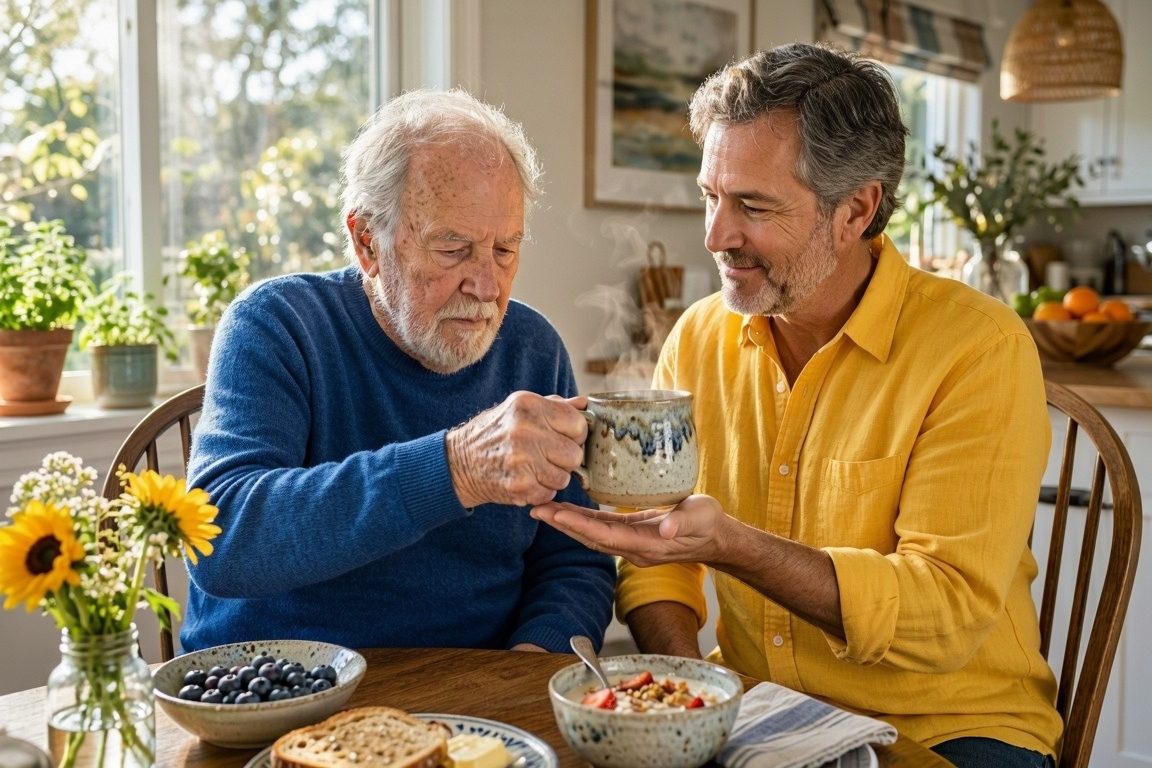
Hand-under-hand is a gentle, non-threatening way to offer assistance or comfort. Instead of grabbing or guiding from above (which can startle or feel controlling), you slide your hand under the person's hand, palm up, and gently support or guide their movements. This technique respects the person's autonomy and reduces the fight-or-flight response common in dementia. It is especially useful during tasks like eating, grooming, or when the person is anxious. Many caregivers find it works not only with dementia but also with children or anyone who feels vulnerable. As Teepa Snow notes, these skills are applicable to all relationships.
The PAC Coaching Difference
PAC coaching is not about giving a list of rules; it is about teaching caregivers to observe, adapt, and connect. Coaches help you see the world from the person's perspective, understand their brain changes, and adjust your approach in real time. This is different from traditional training that might focus on behavior management or task completion. PAC coaching emphasizes self-awareness, taking a timeout, stepping back, and trying something different when a situation isn't working. The goal is to create a positive experience for everyone, not just to complete a task.
Practical tools
6
Hand-Under-Hand Script
Say 'May I help you with this?' as you slide your palm under theirs. If they accept, gently guide; if they pull away, say 'We can try later.'
Positive Phrase Cheat Sheet
Keep a card with phrases like 'Let's try this together,' 'I see you're upset: I'm here,' and 'Would you like to sit or stand?'
Music Playlist
Build a playlist of songs from their young adult years (ages 18–25) on a simple device; play during meals or anxiety to calm and unlock memories.
Environment Checklist
Before each interaction, scan for
to reduce confusion.
Daily Routine Visual Schedule
Use a whiteboard with simple pictures (e.g., toothbrush for brushing). Point and say 'Next, we will…' to lower anxiety through predictability.
Behavior Detective Log
Note when challenging moments happen, what preceded them, and what helped, to reveal patterns like hunger or overstimulation.
Different situations
Lewy body dementia
Be extra cautious with hand-under-hand as they may have visual hallucinations or sensitivity to touch. Approach slowly and speak calmly. Avoid sudden movements. Use simple, direct language. Monitor for fluctuations in alertness; adjust tasks to their best times of day.
Late-stage Alzheimer's
Focus on comfort and sensory connection. Use hand-under-hand for gentle touch, not tasks. Speak softly, use their favorite music, and offer simple pleasures like a warm blanket or hand lotion massage. Do not expect verbal responses; look for facial expressions or body relaxation.
Spouse vs. adult child caregiver
Spouses may need to grieve the loss of their partner's former self. PAC can help reframe the relationship as a new kind of partnership. Adult children may struggle with role reversal; practice saying 'I'm here to help you, Mom' instead of 'You need to do this.' Both benefit from hand-under-hand to maintain physical connection.
In a facility setting
Coordinate with staff to ensure consistent PAC techniques. Use a communication log to share what works (e.g., 'Hand-under-hand works best at meals'). Advocate for person-centered care by sharing the person's life story and preferences with the care team.
Medicaid or limited resources
PAC techniques are free and require no special equipment. Use household items for activities (e.g., folding towels, sorting socks). Focus on relationship, not products. Many public libraries offer free music streaming or audiobooks that can be used for calming.
For the doctor
4
- Ask your doctor: 'Could my loved one's agitation be related to an untreated infection or pain? Should we review their medications for side effects?'
- Discuss with a dementia specialist: 'Are there any non-drug approaches like PAC that could reduce the need for antipsychotic medications?'
- Ask a social worker: 'Are there local PAC training programs or support groups for caregivers that I can access?'
- Consult an occupational therapist: 'Can you teach me hand-under-hand and other PAC techniques for daily care tasks?'