Step by step
What not to do
- Don’t assume every stumble is just the disease, rule out medical causes like infection, dehydration, or medication side effects.
- Don’t rush them or grab suddenly if they start to fall; instead, lower them gently, stay calm, and check for injuries.
- Don’t remove all furniture, keep stable, familiar objects for visual anchors and support.
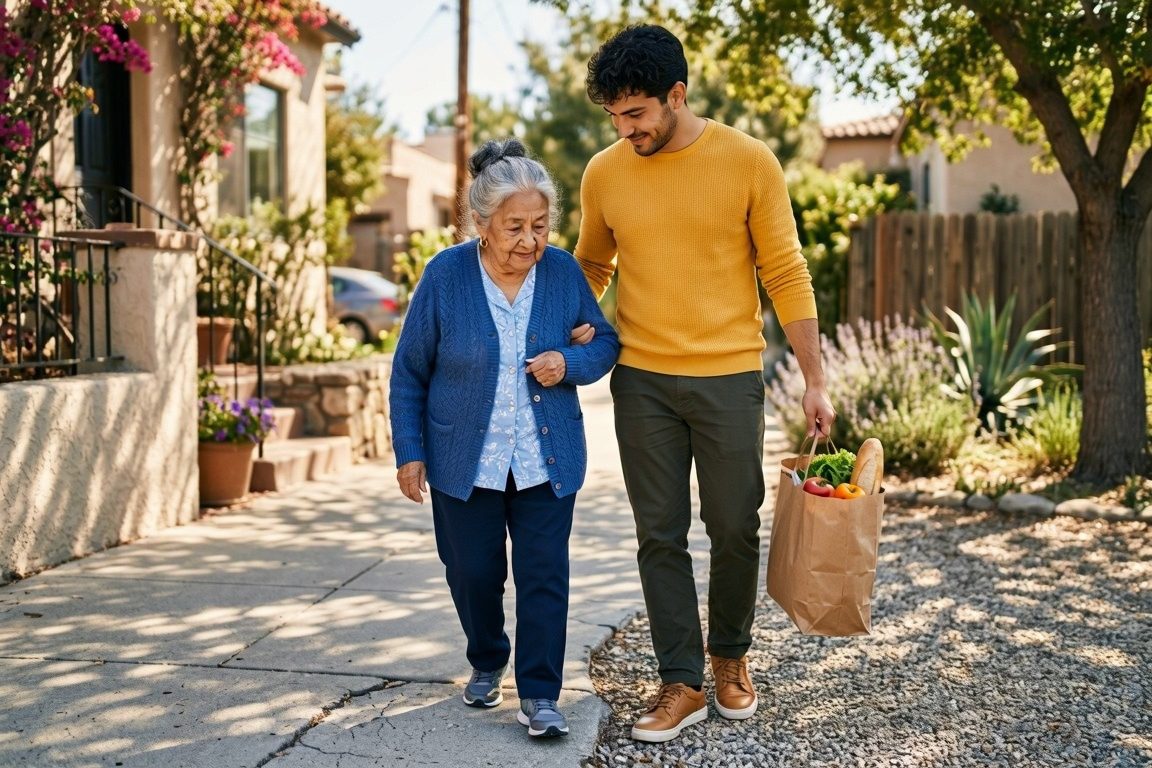
- Don’t force a walker or cane on someone who resists; use a ‘we’ approach and walk alongside holding their arm.
- Don’t let them walk alone in unfamiliar or cluttered environments like a doctor’s office or store.
Key points
- Walking changes in early dementia are caused by slower brain processing, not just physical decline.
- Visual changes (motion blindness, simultaneous agnosia) can make obstacles invisible to your loved one.
- Prevention is the number one strategy: clear clutter, improve lighting, and remove area rugs.
- Gentle daily movement (even 5-10 minutes) helps maintain strength and gait speed.
- Use 'we' language and purpose-driven walks to encourage cooperation without resistance.
- Always rule out medical causes (infection, medication side effects) before attributing a fall to dementia progression.
Videos
 Steady Steps: Practical Strategies for Managing Falls in DementiaThis video offers concrete, actionable strategies for preventing falls, which directly supports the prevention-first approach described in this article.
 Surprising Symptoms of Dementia: Part 1This video explains less-known symptoms like motion blindness and simultaneous agnosia, which are key to understanding why walking changes happen.
 How Dementia Changes What They SeeThis video dives into the visual processing changes that affect gait, helping caregivers understand the 'why' behind stumbling and hesitation.
 7 Reasons People With Dementia Fall (and how to help)This video lists common fall causes and practical solutions, reinforcing the steps in this article with visual examples.

Background
Why walking changes in early dementia
Walking is not just a physical act, it is a complex brain task. Your loved one’s brain must first decide to walk (for example, to get a drink), then coordinate muscles to stand, balance, and move forward while scanning the environment for hazards. In early dementia, the brain processes visual information more slowly. This means that if your loved one steps on a rug edge or a crack in the sidewalk, they may not have time to react before falling. Their brain is still seeing the obstacle, but the message to adjust their foot or shift their weight arrives a split second too late. This slowed processing is a core reason for the unsteady or shuffling gait that often emerges in early dementia.
The role of vision changes in gait
Dementia can also change how a person sees the world. Some individuals develop a condition called motion blindness, where they cannot detect that a car is moving or that a person is walking toward them. Others experience simultaneous agnosia, meaning they can only focus on one part of a visual scene at a time, so they might see the floor but not the coffee table in front of them. These visual changes are not about eyesight; they are about how the brain interprets what the eyes see. Because of this, your loved one may appear to be looking directly at an obstacle but still walk into it. Understanding this helps you respond with patience and practical fixes rather than frustration.
Muscle weakness and reduced activity
People with early dementia often become less physically active, partly because the cognitive effort of planning and initiating movement feels overwhelming. This reduced activity leads to muscle weakness, especially in the legs and core, which further compromises balance. The combination of slower brain processing, visual changes, and weaker muscles creates a perfect storm for falls. However, this is also an area where you can make a real difference. Gentle, regular movement, even just a short walk each day, can help maintain strength and improve gait speed and endurance. Research suggests that exercise programs for people with moderate-to-severe dementia living in the community can improve walking speed and endurance, though the quality of evidence is low. The key is to start early and keep it consistent.
Practical tools
5
Slow-Down Script
When they rush or seem about to stumble, say calmly: ‘Let’s take our time. No hurry. I’m right here with you.’ Avoid ‘Be careful’ or ‘Watch out,’ which can startle.
Purpose Walk Checklist
Before each walk, check:
This 30-second check prevents most falls.
Contrast Tape for Thresholds
Place bright yellow or red tape across every doorway or step edge to help the brain detect surface changes; replace every few months.
Fall Kit by the Door
Keep a small bag with
near the door for quick access if a fall happens.
'We' Language Tool
Reframe directives as shared actions: ‘We’re going to use this walker so we can walk farther together’ instead of ‘You need to use your walker.’
Different situations
For someone with Lewy body dementia
Lewy body dementia often causes Parkinson-like symptoms, including stiffness, tremors, and a shuffling gait that can be more pronounced. Visual hallucinations are also common, which can make walking confusing or frightening. In this case, ensure the environment is calm and predictable. Avoid sudden changes in lighting or patterns on the floor. Discuss with their clinician about medications that might help with movement symptoms, but be aware that some Parkinson's medications can worsen hallucinations.
For a spouse caregiver vs. an adult child caregiver
Spouses may feel more comfortable using physical touch (like holding an arm or hand) to guide walking. Adult children may need to be more respectful of boundaries and use verbal cues first. Spouses might also be more likely to overlook early changes because they are so familiar with their partner's normal gait. Adult children can bring a fresh eye and may notice subtle changes sooner. Both roles benefit from using 'we' language and avoiding a parent-child dynamic.
For someone living in a facility
In a facility, you may not control the environment as much. Advocate for clear pathways, good lighting, and removal of area rugs in their room and common areas. Ask staff to encourage daily walks and to document any falls or near-falls. You can also bring in familiar items (like a favorite chair or a photo) to help them feel more oriented, which can reduce anxiety and improve walking confidence.
For someone on Medicaid or with limited resources
Many fall-prevention tools are low-cost or free. Contrast tape is cheap. You can use a sturdy cane from a thrift store. Nightlights are inexpensive. The most important tool is your presence and patience. If a walker is needed, check with local senior centers or Area Agencies on Aging for loaner programs. Also, ask their doctor if physical therapy is covered by Medicaid, it can provide targeted exercises to improve gait and balance.
For someone in the early stage who is still driving
Walking changes can also affect driving. Slowed processing and visual changes make it dangerous to judge distances or react to sudden stops. If you notice shuffling or hesitation while walking, it is time to have a conversation about driving. Use a neutral statement: 'I'm worried about your safety and others on the road. Let's have your doctor check your driving skills.' Many DMVs offer voluntary driving assessments.
For the doctor
5
- Ask the doctor: 'Could any of my loved one's medications be causing dizziness or affecting their balance? Should we review the list?'
- Ask the doctor: 'Is there a physical therapy program that could help improve their gait and strength? What exercises are safe for them?'
- Ask the doctor: 'Could there be an underlying medical issue (like a urinary tract infection, dehydration, or vitamin B12 deficiency) that is making their walking worse?'
- Ask the doctor: 'Are there any assistive devices (cane, walker, or orthopedic shoes) that you would recommend for their specific gait pattern?'
- Ask the doctor: 'What signs should I watch for that would indicate a need for immediate medical attention, like a sudden change in walking ability or a fall with head injury?'