Step by step
What not to do
- Do not compare your feelings to others. A cousin who hasn't visited in five years may say you shouldn't have placed them. Remember, they are not the ones sacrificing their time, health, and money. Their opinion is not based on your reality.Instead, remind yourself of the reasons you made this decision.
- Do not visit every day in the first week. This can actually increase your loved one's anxiety, as they may become clingy and upset when you leave. It also prevents you from resting.Instead, follow a schedule of every other day or every two days, and keep visits short.
- Do not ignore your own health symptoms. If you are having trouble sleeping, crying spells, or feeling irritable, these are signs of caregiver stress and burnout. Do not dismiss them as 'just part of the process.' They are signs you need support. Talk to your doctor about these symptoms.
- Do not try to 'fix' everything on your first visit. If you see something you don't like, like a messy room or a cold meal, do not immediately confront the staff in anger.Instead, note it, and bring it up calmly at a later time. Building a collaborative relationship with staff is more effective than being adversarial.
- Do not isolate yourself. The feeling of wanting to withdraw is common because you feel depleted. But isolation makes the overwhelm worse. Force yourself to reach out to one friend or family member and say, 'I am struggling. Can we just talk for 10 minutes?'
- Do not make a decision to bring them home based on one bad day or one guilty feeling. The first few weeks are a transition. Give it time. If you are considering bringing them home, ask yourself honestly: 'Am I prepared to be a 24/7 support person again? Do I have what I need?' Often, the reason for placement was that you could no longer provide that level of care safely.
Key points
- Feeling scared and overwhelmed after placement is a normal, expected part of the caregiving journey, not a sign of failure.
- The guilt you feel is often rooted in the loss of your daily role and the relief you may also feel. Both feelings can coexist.
- Build a collaborative relationship with facility staff through respectful introductions and clear communication.
- Give yourself and your loved one at least one week before making any major decisions about the placement.
- Use concrete tools like a worry notebook and a structured visit schedule to manage anxiety.
- Your own health and well-being are just as important as your loved one's. Taking care of yourself is taking care of them.
Videos
 Dad In Skilled Nursing Facility: Day 1This video shows a real caregiver's raw, honest experience on the very first day of placement. It validates that feeling scared and overwhelmed is normal, and it models how to navigate that first visit.
 Struggling with your decision to put your loved one in a dementia nursing home? Watch this.This video directly addresses the guilt and second-guessing that come after placement. It offers practical advice on how to be realistic and embrace this new chapter, even when it feels hard.
 What Is Caregiver Grief?This video explains the concept of caregiver grief, which is a key part of the overwhelm you are feeling. Understanding that this is a form of grief helps normalize your emotions.
 Points to Consider Before Moving Your Loved One HomeWhen you are feeling overwhelmed, you may be tempted to reverse the decision. This video helps you think through that choice realistically, preventing a hasty decision driven by guilt.

Background
The Emotional Whiplash of Placement
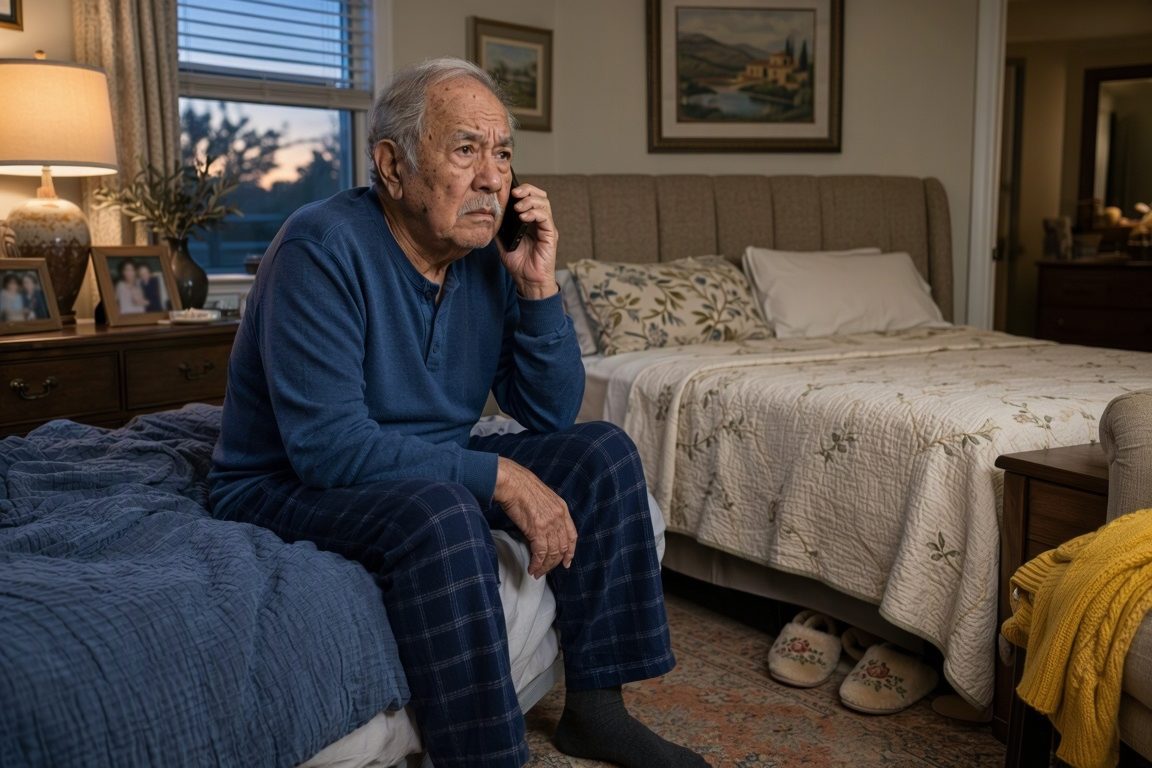
After months or years of constant, 24/7 caregiving, placing a loved one in a skilled nursing facility can feel like a sudden, jarring stop. You have been running on adrenaline, making countless decisions, and managing a never-ending list of concerns. When that responsibility is handed over, your body and mind don't just switch off. Instead, you may feel a wave of fear, emptiness, and even panic. This is because your entire identity has been wrapped up in being the caregiver. As one expert notes, even when you are thrilled to no longer have to care for your loved one day in and day out, you will realize that it is going to be an emotional process because your life is about to change in a really big way. The silence of an empty house or the quiet of a facility room can be deafening, and it is common to feel lost.
Why the Fear and Guilt Are So Intense
The fear you feel is often rooted in a loss of control. At home, you could see your loved one every moment. Now, you are trusting strangers with their safety and well-being. You may worry about falls, wandering, or that the staff is too stressed to give proper attention. This is a very real concern, as many caregivers report feeling that staff are frustrated and burned out. Your mind may replay every 'what if' scenario. At the same time, guilt can be overwhelming. You might hear comments from family members who haven't been involved, saying you 'shouldn't' place them in a home. You may also feel guilty for feeling relieved. This is a form of complicated grief, where you are grieving the loss of your daily role, the loss of the person they used to be, and the loss of the life you had. It is important to know that these feelings are not a sign that you made the wrong decision; they are a sign that you are processing a major life transition.
The Hidden Grief of the 'Empty Hands'
One of the most surprising feelings after placement is a sense of abandonment, not just from family, but from the role itself. You may feel abandoned by the very person you cared for, because the brain damage from dementia has changed their personality and they may not recognize your efforts. You may also feel abandoned by family members who, once you were doing all the caregiving, just went on with their own lives. Now that the placement is done, you might expect to feel free, but instead you feel empty. Your hands are no longer full of tasks, and that can be disorienting. This is a form of grief for the life you had, even though that life was stressful. It is a normal part of the journey, and acknowledging it is the first step to moving through it.
Practical tools
5
The 'One-Minute Introduction' Script
Before your first visit, practice this exact phrase: 'Hi, I'm [your name], [your loved one's name]'s [relationship]. I'm so grateful you are caring for them. Could you tell me your name and what your role is today?' This simple script breaks the ice, shows respect, and opens a line of communication. It is based on the idea of going 'back to the basics' of human connection.
The 'Worry List' Notebook
Get a small notebook. On the left page, write down every worry that comes to mind (e.g., 'Is she eating enough?', 'Will he fall?'). On the right page, write one action step for each worry (e.g., 'Ask the dietitian about meal intake logs', 'Ask the nurse about the fall risk assessment'). This turns anxiety into a to-do list, which is more manageable.
The 'Caregiver's Bill of Rights' Affirmation
Write this down and read it daily: 'I have the right to feel overwhelmed. I have the right to rest. I have the right to ask for help. I have the right to feel relief without guilt. I am not a failure for placing my loved one.' This is a tool for combating the guilt that comes from the stress of caregiving.
The 'First Week' Checklist
This structure prevents you from being reactive.
The 'Compassionate Exit' Phrase
When leaving, say: 'I am going now, but I will be back on [day]. The nurses here are good people, and they will help you. I love you.' This gives your loved one a clear expectation and reduces their anxiety, which in turn reduces your guilt.
Different situations
For a spouse caregiver (vs. adult child)
The sense of loss is often more profound for a spouse. You are losing your daily partner, your routine, and your shared life. You may feel a deep loneliness. It is especially important to schedule social time with friends or join a spousal support group. You may also need to redefine your identity outside of being a husband or wife. The feeling of 'I know I love him, but it feels theoretical right now' is common. Give yourself permission to feel that.
For Lewy body dementia
Lewy body dementia can involve hallucinations, fluctuations in cognition, and movement issues. The fear of falls and medication mismanagement is very high. When visiting, ask the staff specifically about how they handle hallucinations (e.g., do they re-direct or argue?). Also, ask about medication timing, as Lewy body patients are often very sensitive to certain drugs. Your advocacy is critical, as the complexity of care is higher.
For late-stage dementia
In late-stage, your loved one may be bed-bound and non-verbal. The overwhelm you feel may be more about grief than about active worry. Your role shifts from hands-on care to being a witness and advocate. Focus on comfort measures: ask about pain management, skin care, and positioning. Your visits can be quiet and brief. The goal is to be present, not to 'do' anything.
If the facility is a Medicaid facility
You may have had fewer choices in placement, which can intensify feelings of guilt and fear. You may worry about the quality of care. In this case, your advocacy is even more important. Visit at different times of day, including evenings and weekends. Get to know the CNAs, who provide most of the hands-on care. Ask the social worker about the facility's complaint process. You are your loved one's only advocate, so be present and persistent.
If you are a long-distance caregiver
The overwhelm is compounded by not being able to see them daily. You may feel helpless and guilty. Use video calls if possible. Establish a relationship with a specific nurse or social worker who can give you regular updates. Hire a local geriatric care manager to do periodic in-person checks. Your role is to coordinate care from afar, not to be there every day.
For the doctor
4
- If you are having persistent crying spells, trouble sleeping for more than two weeks, or thoughts of harming yourself or others, discuss these symptoms with your doctor. These could be signs of clinical depression or complicated grief that require professional support.
- If you are considering bringing your loved one home, discuss the safety risks with their primary care physician or a geriatric care manager. They can help you assess if your home is safe and if you have the support needed to avoid caregiver burnout again.
- If you notice a sudden change in your loved one's behavior or health (e.g., new falls, weight loss, increased agitation), discuss this with the facility's medical director or your loved one's doctor. It may be a sign of a medical issue or a medication problem.
- If you feel that your own health is deteriorating (e.g., high blood pressure, new aches, ignoring your own medical appointments), discuss this with your doctor. Caregiver stress can have serious physical consequences.