Step by step
What not to do
- Ask the person with dementia if they want to attend, this typically yields a "no"; use directive invitations instead.
- Argue, correct, or reason with the person out of their reality; validate the feeling and gently redirect.
Key points
- Start by contacting your state or local department on aging and the Alzheimer’s Association for regulations, directories, and funding sources.
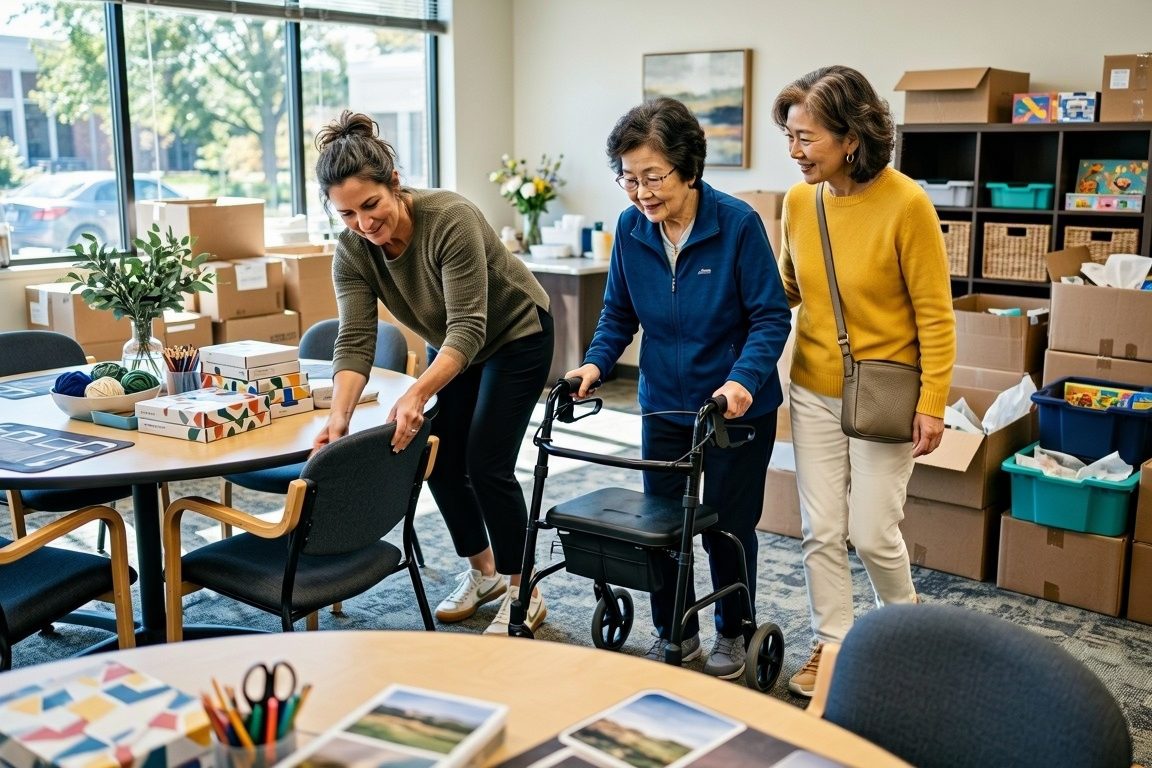
- Design a dementia-friendly environment with clear signage, good lighting, and distinct activity zones.
- Create a structured daily routine that includes music, gentle exercise, crafts, meals, and rest, repeat the same sequence each day.
- Use positive, directive language when inviting participants: 'Come with me' instead of 'Do you want to...'
- Offer a trial day or slow start to help participants adjust; do not force a full day on day one.
- Consider offering night programs for people with reversed day/night cycles, and specialized activities for early-onset dementia.
Videos
 How Do I Find Local Dementia Adult Day Care Services? - TestThis video provides a practical walkthrough of using state and local aging agencies, the Alzheimer’s Association, and direct outreach to find adult day programs. It is useful for understanding the landscape of existing services and how to position your program.
 Where Can You Find Adult Day Care For Dementia Patients? - TestThis video offers additional tips on locating adult day care, including community health services and specialized memory care programs. It reinforces the importance of visiting centers and asking about staff training and safety.
 The Baffled Brain: Demystifying Dementia Episode 17 March 20 , 2021This episode discusses the internal loss of initiative in dementia and why structured socialization is critical. It provides insight into the cognitive changes that make adult day programs so beneficial.
 Ep. 150: Adult Day Center Care vs Respite CareThis video compares adult day centers and group respite programs, explaining the differences in structure, activities, and staffing. It helps founders decide which model to adopt.
2 more videos
 In Home Dementia Care Costs | What Does It Cost to Care for An Elderly Parent with Dementia at Home?This video breaks down the costs of in-home care versus adult day programs, showing how day programs can be a more affordable option. It provides financial context for setting your fees.
 Sleep and DementiaThis video explains circadian rhythm disruptions in dementia and the concept of night-time adult day programs. It is essential for founders considering overnight or night-only services.
Background
Why People with Dementia Need a Specialized Day Program
People living with dementia often lose their internal ability to initiate activities on their own. Even if they appear uninterested, they still need structured socialization and meaningful engagement to maintain their cognitive and emotional well-being. Without this, they can become socially isolated, which can actually worsen their cognition over time. A well-designed adult day program provides a safe environment where trained staff lead planned activities, like music, art, gentle exercise, and simple crafts, that help participants feel purposeful and connected.
The Two Main Types of Adult Day Programs
There are generally two kinds of adult day programs: social centers and medical/health programs. Social centers focus on meals, recreation, and social activities, while medical programs offer more intensive health and therapeutic services, including medication management and skilled nursing. Some programs are specialized for dementia and memory loss, offering structured routines and staff trained in dementia care. As a founder, you need to decide which model best fits the needs of your community and the level of care you can provide.
The Financial and Logistical Landscape
Adult day programs can be a very affordable option for families compared to in-home care or full-time residential care. Charges typically range from $70 for a half day to $150 for a full day, depending on location and services. Many programs accept Medicaid, state subsidies, or offer sliding scale fees based on income. Transportation is a critical service to consider, many families cannot bring their loved ones without it. You will also need to think about hours of operation, including the possibility of overnight or night-only programs for people who are day/night reversed.
Practical tools
4
Invitation Script for First Visit
When families call, say: 'We have a wonderful program and I'd love for you and your loved one to visit. Let's set a time for a short hour-long visit so they can meet staff and see activities.' Avoid asking 'Do you want to come?'
Daily Routine Template
Same order daily.
Personalized Activity Planning Worksheet
For each participant:
Use answers to design at least one daily tailored activity.
Wandering/Elopement Prevention Checklist
One-page protocol:
Different situations
Early-onset dementia (under age 65)
Standard adult day programs may feel age-inappropriate. You may need to offer activities that are more physically active or intellectually stimulating, such as simple woodworking, gardening, or technology-based games. The social environment should feel respectful of their age, avoid infantilizing language or activities. Consider partnering with local community centers that have age-appropriate programs.
Lewy body dementia or Parkinson’s disease dementia
These individuals may have significant motor fluctuations, visual hallucinations, and sensitivity to medications. The environment should be calm and predictable to reduce confusion. Avoid overstimulating activities. Staff should be trained to respond to hallucinations without arguing. Physical activities should be gentle and adapted for balance issues. Discuss any medication changes with the participant’s clinician.
Late-stage dementia
Participants may need more hands-on assistance with personal care, including toileting, feeding, and mobility. Activities should focus on sensory stimulation, soft music, gentle touch, aromatherapy, and simple visual stimuli. The program may need to be smaller in size to allow for one-on-one attention. Consider having a quiet room where they can rest. Safety is paramount, prevent wandering with secure exits.
Participants with Medicaid or limited income
Ensure your program is enrolled as a Medicaid provider or can accept state subsidies. Offer a sliding scale fee based on income. Provide clear information about financial assistance during the first contact. Some states have programs that cover adult day services for people with Alzheimer’s or related dementias. Contact your local aging services to learn about available subsidies.
Participants who are day/night reversed
Consider offering a night program (e.g., 8:00 PM to 6:00 AM) for people who are awake all night and sleep during the day. This is a growing need and can be a unique service. The night program should have similar activities, music, gentle movement, snacks, but adapted for nighttime. Staff should be trained to support sleep hygiene and circadian rhythm regulation.
For the doctor
4
- Discuss with a clinician whether any participant’s medication schedule (e.g., for agitation or sleep) needs to be adjusted to fit the program’s daily routine.
- Ask the participant’s doctor about any medical conditions (e.g., diabetes, heart disease, seizure disorder) that may require special monitoring or emergency protocols during program hours.
- For participants with advanced dementia or frequent falls, discuss with a clinician whether a higher staff-to-participant ratio or additional safety equipment (e.g., gait belts, alarms) is needed.
- If a participant has a history of aggressive behavior, consult with a geriatric psychiatrist or behavioral specialist to develop a de-escalation plan before enrollment.