
Step by step
What not to do
- Do not interrupt them. Interrupting makes them feel unheard and can trigger anger or withdrawal.Instead, wait for them to finish, even if it takes a long time. If you do interrupt, apologize and let them continue.
- Do not argue or correct them about facts. If they say something inaccurate, like 'I want to go home' when they are home, arguing will only increase agitation.Instead, respond to the feeling: 'It sounds like you miss the comfort of home. Let’s sit here and talk about it.'
- Do not use a commanding or bossy tone. Saying 'You need to do this now' can feel like a reprimand and trigger a power struggle.Instead, use a gentle, collaborative tone: 'Let’s see if we can get this done together.'
- Do not quiz them or test their memory. Asking 'What did you have for dinner last night?' can remind them of their losses and make them feel worse.Instead, focus on the present moment and offer choices.
- Do not take their refusal personally. Their 'no' is not about you, it is about their fear of losing control. If you feel hurt, step back and remind yourself: 'This is the disease talking, not them.'
- Do not keep insisting after they have said no multiple times. Repeated insistence can lead to explosive exchanges.Instead, give them space and try a different approach later.
Key points
- Their refusal is about fear of losing control, not about rejecting you.
- Listen for the emotion behind the words, not the literal meaning.
- Offer choices to give them a sense of control.
- If they say no, give them space and try again later.
- Let go of minor battles to preserve trust and peace.
- Thank them for their effort, even if the task isn’t done.
Videos
 How Do You Get Someone With Dementia To Do Something?Shows practical techniques for gaining cooperation without force.
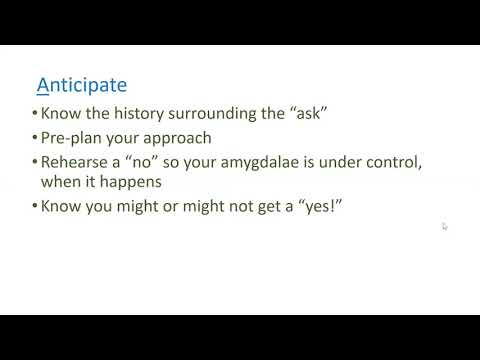 Care Partner Tips: What to Do About a 'NO!'Directly addresses how to respond when the person refuses, with step-by-step advice.
 How to Communicate When Someone is Living with DementiaCovers core communication skills that help you listen and respond effectively.
 How to Manage Repetitive Behaviors in Alzheimer's DiseaseTeaches how to redirect repetitive questions or actions without confrontation.


Background
Why They Push Back: The Loss of Control and the Need to Be Heard
As dementia progresses, the person experiences enormous losses, their independence, their sense of self, their ability to do things they once did with ease. They often feel they are not listened to, and that others are making decisions for them. When you insist on a minor task like changing clothes, eating, or taking medication, it can feel like another loss of control. Their refusal is rarely about the task itself; it is a defense mechanism against feeling powerless. They may be scared, sad, or frustrated, and their 'no' is a way to hold onto something that is still theirs.
The Emotional Root: Fear, Frustration, and the Need for Connection
The person is not rejecting you personally. They are reacting to a perceived threat to their autonomy. Their brain changes make them more easily startled and more likely to have a fight-or-flight response. They may not be able to process your words quickly, so your tone, body language, and timing matter more than what you say. When they say 'I want to go home' or 'You’re bossing me around,' they are often expressing an unmet emotional or physical need, like feeling unsafe, lonely, or in pain. Your job is to listen for the feeling behind the words, not to correct or argue.
When Letting Go Is the Right Choice: Minor Control vs. Safety
Not every battle needs to be fought. If the issue is about safety (like wandering into traffic or refusing life-saving medication), you must step in. But for minor things, what they wear, when they eat, whether they take a bath today, letting go can reduce agitation and preserve trust. The goal is to help them feel heard and respected, not to win an argument. When you stop insisting on small things, you often find that the person becomes more cooperative overall because they feel you are on their side.
Practical tools
6
The 'Timely Warning' Technique
Before starting a potentially uncomfortable task (like bathing or changing clothes), give a brief, calm warning: 'In a few minutes, we’re going to get cleaned up. I’ll help you.' Then ask for permission: 'Is it okay if I help you with that now?' This prepares them and gives them a sense of control.
The 'Choice Sandwich' Script
When you need them to do something, offer two acceptable options. For example: 'Would you like to take your medicine with apple juice or water?' or 'Do you want to put on your shoes now or after we finish this song?' This gives them a sense of agency while still moving forward.
The 'Emotion Labeling' Phrase
When they are upset, name the emotion you see: 'You seem frustrated. That must be hard.' Or 'It sounds like you’re scared. I’m here with you.' This validates their feeling and often reduces agitation because they feel understood.
The 'Break and Return' Strategy
If they refuse, say: 'Okay, I’ll give you some space. I’ll be back in five minutes.' Then leave the room. Set a timer. When you return, approach with a different tone or task. This breaks the cycle of resistance.
The 'Thank You' Close
After any interaction, even if it didn’t go perfectly, say: 'Thank you for talking with me. I appreciate you.' This reinforces connection and shows that you value them beyond the task.
The 'Distraction Kit'
Keep a small bag with items that can redirect attention:
When they are stuck on a negative thought, pull out an item and say: 'Look at this, remember this picture?'
Different situations
Lewy body dementia or Parkinson’s dementia
These conditions often involve visual hallucinations, fluctuating attention, and sensitivity to stress. Use very short, simple phrases. Avoid sudden movements. If they are agitated, reduce sensory input, turn off the TV, dim lights. Letting go of minor control is especially important because stress can worsen their motor symptoms.
Late-stage Alzheimer’s or severe cognitive decline
The person may no longer understand words. Use fewer words and more demonstration. For example, if you want them to eat, mimic chewing. If they resist, stop and try again later. Let go of the expectation that they will cooperate. Focus on comfort and connection, not tasks.
Spouse vs. adult child caregiver
Spouses may have a history of shared decision-making and may feel more personally rejected. Adult children may struggle with role reversal. Both should practice saying: 'I’m not trying to boss you: I’m trying to help.' Spouses can use phrases like 'We’re in this together.' Adult children can say: 'I’m here to support you, not take over.'
In a facility setting
Staff may have less time to let go of minor control. But even in a facility, using the 'timely warning' and 'choice sandwich' can reduce agitation. If the person refuses care, document it and try again later. Letting go of a bath today is better than a fight that ruins the whole day.
Medicaid or limited resources
If you have limited help, prioritize safety over minor control. Let go of things like what they wear or when they eat, but insist on medication for pain or infection. Use community resources like adult day care or respite to give yourself breaks, this helps you stay patient.
For the doctor
3
- If the person’s agitation or refusal is new, sudden, or severe, discuss with their doctor to rule out pain, infection, or medication side effects.
- If you are considering using medication to manage agitation, ask the doctor about risks and benefits. Never give medication without a prescription.
- If the person is refusing life-sustaining treatment (like insulin or antibiotics), discuss with their doctor and possibly a palliative care team to balance quality of life and medical necessity.