Step by step
What not to do
- Do not wait until you feel sick to see a doctor. Many care partners only seek medical help when they are in crisis, such as after a fall or when chest pain becomes unbearable. This approach leads to worse outcomes and more time away from your loved one.Instead, schedule preventive screenings when you are healthy, so problems can be caught early and treated simply.
- Do not assume you are 'fine' just because you are busy. Care partners often ignore subtle symptoms like fatigue, headaches, or changes in appetite, attributing them to stress. These can be signs of underlying conditions like anemia, thyroid issues, or high blood pressure.Instead, take any new or persistent symptom seriously and mention it to your doctor at your next appointment.
- Do not cancel your own appointment because your loved one is having a bad day. It is common to think, 'They are agitated today, I cannot leave them.' But this pattern leads to perpetual cancellation.Instead, have a backup plan in place for difficult days, such as a trusted neighbor who can step in for an hour, or a pre-arranged respite care provider. If you must reschedule, do it immediately, not 'later.'
- Do not try to do everything alone. Many care partners feel they should be able to handle everything without help. This is unrealistic and leads to burnout.Instead, build a support team that includes family, friends, a support group, and professional respite services. Let them help you so you can take care of yourself.
- Do not forget to update your own emergency contacts and health information. If you become ill, your loved one may need to know who to call. Keep a list of your own doctors, medications, and emergency contacts in a visible place, and share it with a trusted family member or friend. This is part of taking care of yourself.
Key points
- Your own health screenings are not optional; they are essential to your ability to provide care. Skipping them puts you and your loved one at risk.
- Create a written list of all overdue screenings and schedule your own appointment first, before anything else.
- Build a support team that includes at least one person who can stay with your loved one during your appointments.
- Use a 'care partner swap' system with another caregiver to create mutual support and reduce guilt.
- Bundle your own health tasks with your loved one's appointments to save time and energy.
- Celebrate each completed screening as a victory for your own well-being and your loved one's care.
Videos
 Caregivers Are Stressed - WATCH OUT for these 10 signs!This video helps you recognize the warning signs of caregiver stress, which often include neglecting your own health. It reinforces why you must prioritize your own screenings.
 Discover the California Caregiver Resource CentersThis video introduces a key resource for finding respite care and support, which is essential for freeing up time for your own health appointments.
 Coping with Caregiver BurnoutBurnout is a direct consequence of neglecting self-care, including health screenings. This video offers coping strategies that can help you stay on track.
 162. National Caregiver Month: Data and caregiver tips from The Alzheimer's AssociationThis video provides data-driven tips from a trusted organization, reinforcing the importance of preventive health care for care partners.
2 more videos
 Reducing Caregiver Stress & Compassion FatigueCompassion fatigue can make you feel too drained to care for yourself. This video offers practical ways to reduce stress and make time for your own needs.
 Caregiver Health: Grief, Stress and How to Cope | Brain Talks | Being Patient Alzheimer'sThis talk addresses the emotional toll of caregiving and offers strategies for coping, including the critical step of maintaining your own health appointments.
Practical tools
5
The 'Care Partner Health Checklist'
Create a simple paper checklist with the following items:
Tape it to your bathroom mirror or refrigerator. Each time you complete a screening, write the date next to it. This visual reminder keeps your health top-of-mind and gives you a sense of accomplishment.
The 'Respite Request Script'
When asking for help, use this exact phrase: 'I need to go to my own doctor's appointment on [date] from [time] to [time]. Could you please stay with [loved one's name] during that time? I will have everything ready: their medications, snacks, and a list of emergency numbers. I really need this to take care of my own health so I can keep caring for them.' This script is direct, specific, and makes it easy for someone to say yes.
The 'Appointment Bundle' Strategy
When scheduling your loved one's appointments, ask the scheduler: 'Do you have any appointments at a hospital or clinic that also has a lab or imaging center? I need to get my own blood work done on the same day.' Then, call your own doctor and ask if you can get a lab order that you can use at that same location. This reduces travel time and mental load.
The 'Care Partner Swap' Card
Create a small index card or note on your phone with the names and phone numbers of two other care partners you trust. Write: 'I will watch your loved one on [day] from [time] if you watch mine on [day].' Exchange these cards at your support group. This creates a simple, reciprocal system that benefits everyone.
The 'Health Appointment Kit'
Assemble a small bag or box to keep in your car. Include:
Having this ready reduces last-minute stress and makes it easier to leave the house.
Different situations
If you are caring for someone with Lewy body dementia or Parkinson's disease dementia
These conditions often involve rapid changes in cognition and mobility. Your loved one may have unpredictable 'good' and 'bad' days. For your own screenings, prioritize appointments at times of day when your loved one is typically most alert and calm (often mid-morning). Also, be aware that care partners of people with Lewy body dementia have higher rates of sleep deprivation and stress-related illness, so screenings for blood pressure, heart health, and depression are especially critical. Discuss with your clinician whether you need a sleep study or stress management plan.
If you are an adult child caregiver (sandwich generation)
You are likely juggling care for your parent along with your own children and job. Your own health screenings are even more likely to be neglected. Use the 'care partner swap' system with another adult child caregiver. Also, consider scheduling your own appointments during school hours or during your lunch break if you work from home. Talk to your employer about using sick leave or flexible hours for your own preventive care. You may also need to screen for conditions like high blood pressure and anxiety, which are common in this group.
If you are a spouse caregiver
Spouse caregivers often have the highest risk of neglecting their own health because they feel it is their duty to be with their partner 24/7. You may also be older and have your own age-related health risks. It is vital to schedule your own screenings for heart disease, diabetes, and cancer. Use the 'respite request script' to ask adult children or friends for help. If your spouse is in a facility, ask the staff if they can provide care for a few hours so you can attend your own appointments. Remember, spouse caregivers tend to die first from overload, so this is a matter of life and death.
If your loved one is in a facility or has Medicaid
If your loved one is in a nursing home or assisted living, you may have more flexibility to schedule your own appointments. However, you may also feel guilty about 'abandoning' them. Use the time they are in activities or therapy to schedule your own health checks. If you are on Medicaid yourself, check if your state offers free or low-cost preventive screenings through community health centers. You can also ask the facility's social worker for a list of local resources for caregiver health.
If you are caring for someone in late-stage dementia
In late-stage, your loved one may be bedbound or have very limited communication. Your own health is even more critical because you are likely the only person who can manage their complex care. Schedule your own appointments during times when your loved one is most stable, such as after a meal or during a nap. Consider using telehealth for your own follow-ups to save time. Also, be vigilant about screenings for caregiver burnout, depression, and physical strain (like back pain from lifting). Discuss with your clinician whether you need a physical therapy evaluation or a referral to a pain specialist.
For the doctor
5
- Ask your doctor: 'Given my age and family history, which cancer screenings (mammogram, colonoscopy, Pap smear) am I overdue for, and how urgently do I need them?'
- Ask your doctor: 'I am a full-time caregiver and feel exhausted. Should I be screened for depression, anxiety, or sleep apnea?'
- Ask your doctor: 'My blood pressure has been high lately. Could this be related to caregiver stress, and what is the best way to manage it?'
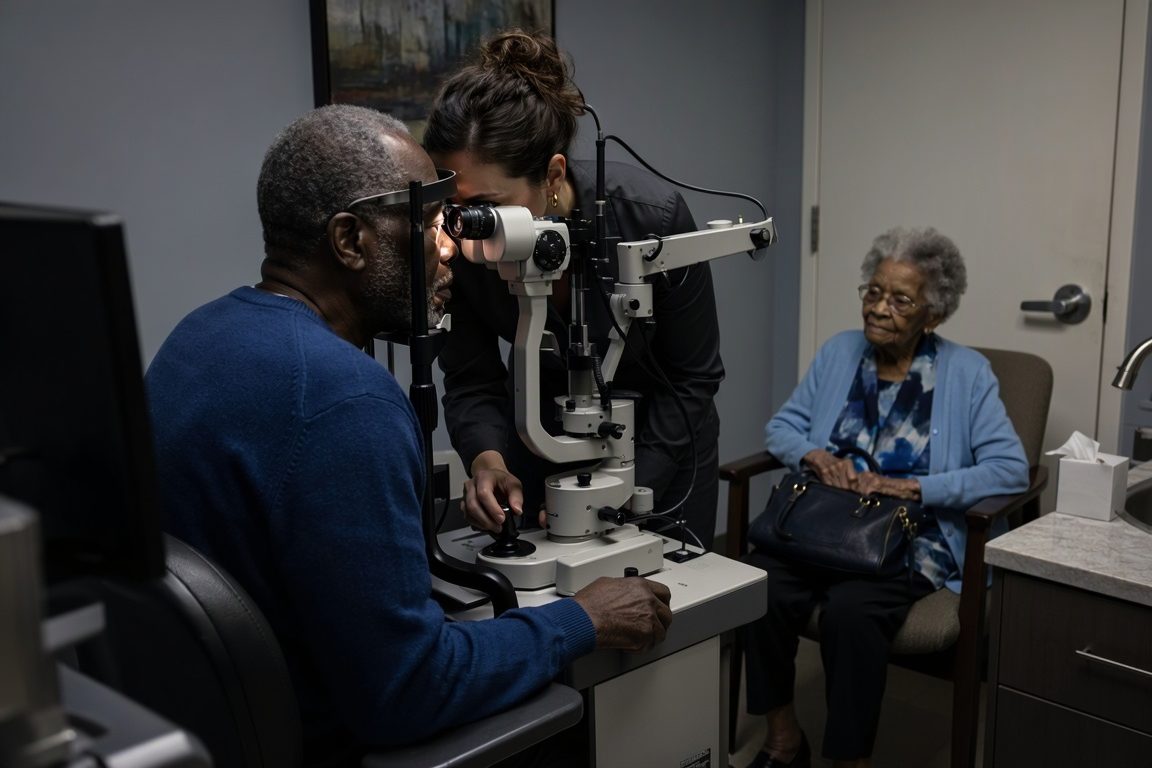
- Ask your doctor: 'I have been skipping my own dental and eye exams. How important are these for my overall health, and can you recommend a provider who is flexible with scheduling?'
- Ask your doctor: 'I am concerned about my own risk for heart disease or diabetes because of my caregiving stress. What baseline tests should I have?'