
Step by step
What not to do
- Do not argue or try to convince them. Arguing escalates the power struggle and makes them dig in their heels.Instead, validate their 'no' and step back. You cannot win an argument with a brain that is changing; you can only damage the relationship.
- Do not force or physically coerce them. Forcing a loved one into a bath or a car or a doctor's appointment creates lasting trauma and erodes trust. As one expert explains, after a forced bath, just the word 'shower' can send them into a panic.Instead, find an alternative approach that respects their autonomy.
- Do not bribe or threaten. Bribes teach them that they can hold out for a bigger reward, and threats create fear. Neither builds trust.Instead, use positive framing and gentle redirection. Focus on what they will gain, not what they will lose.
- Do not take the 'no' personally. It is not about you. It is about their fear, their confusion, or their changing brain. If you take it personally, you will react with frustration or hurt, which makes the situation worse. Remind yourself: this is the disease talking, not the person I love.
- Do not make promises you cannot keep. Promising 'I will never put you in a home' or 'I will always care for you myself' may feel comforting now, but if circumstances change, that broken promise will destroy trust.Instead, say, 'I will do everything I can to keep you safe and comfortable, and we will figure things out together.'
- Do not bring up the refusal later or hold a grudge. Your loved one may not even remember the refusal. Bringing it up only creates confusion and resentment. Let it go. The next interaction should be fresh and warm.
Key points
- A 'no' is almost never about you; it is about fear, confusion, or a changing brain.
- Pause and decode the 'no' before reacting. Ask: Is it timing, fear, discomfort, or a misunderstanding?
- Validate the refusal. Say 'Okay, no problem' to lower defenses and build trust.
- Offer real choices to restore a sense of control.
- Reframe requests as gains, not losses. Focus on what they will gain, not what they will lose.
- Never force, argue, bribe, or threaten. These destroy trust and create lasting trauma.
- Use distraction and positive connection before making a request.
- Follow up with warmth after a refusal. Do not hold a grudge.
- Adapt your approach to the specific disease stage and your relationship role.
- Ask for help from a doctor, support group, or third-party ally when needed.
Videos
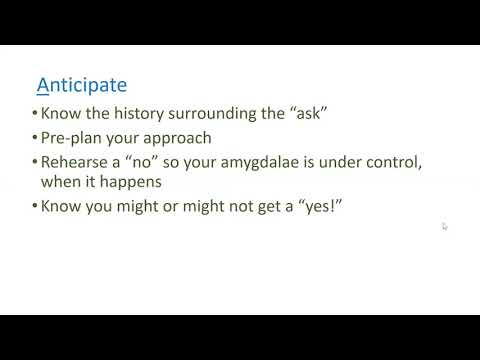 Care Partner Tips: What to Do About a 'NO!'This video directly addresses the moment of refusal and gives practical steps for decoding the 'no' and responding effectively.
 How to Handle Aging Parents Who Refuse Your HelpThis video focuses on the painful standoff when an aging parent insists they don't need help, and offers a playbook for turning it into a partnership.
 Family Caregiving Discussions With Elderly Parents Who RefuseThis video covers the difficult conversations that arise when a parent refuses help, including how to prepare and what to say.
 Should You Force a Loved One with Dementia to Bathe?This video explains why forcing backfires and offers alternatives for handling bath refusals without eroding trust.
2 more videos
 Time with Teepa – Supporting Refusal of HelpThis video demonstrates a real-time interaction where a care partner receives a 'no' and models how to respond with respect and skill.
 Dementia and Sex: 5 Tips for handling a loved one with dementia asking for sexThis video offers strategies for handling refusals in the context of intimacy, including distraction and redirection.
Practical tools
6
The 'Not Right Now' Script
When you hear 'no,' use this exact phrase: 'Okay, no problem. Not right now. Let's try again later.' Then walk away. This validates their refusal, lowers their defenses, and keeps the door open. You can set a timer for 10 or 15 minutes and try again with a different approach.
The Choice Menu
Prepare two or three acceptable options before making a request. For example: 'Would you like to wash your face with this warm cloth, or would you prefer a sponge bath?' or 'Would you like to take your pill with applesauce or pudding?' Giving a choice restores a sense of control and makes a 'yes' more likely.
The 'Gain' Reframe
Before making a request, think about what your loved one will gain from agreeing. Then lead with that. For example: 'Let's get you dressed so we can go look at the birds in the garden' or 'Let's take your medicine so your knee feels better for your walk.' This shifts the focus from loss (losing independence) to gain (pleasure, comfort, connection).
The Distraction Kit
Keep a small bag or box with items that your loved one finds comforting or interesting:
When they refuse, pull out an item and start talking about it. While they are engaged, gently begin the task. This works because the brain cannot focus on refusal and a pleasant distraction at the same time.
The Warm-Up Routine
Before making a request, spend a few minutes connecting. Sit at their eye level, make gentle eye contact, and use a calm, warm voice. Talk about something they enjoy: a memory, a pet, the weather. Touch their hand or shoulder gently. This primes their brain for cooperation. One expert calls this 'peppering in' positive interactions throughout the day, not just when you need something.
The Third-Party Ally
If your loved one refuses help from you, sometimes they will accept it from someone else: a doctor, a nurse, a friend, a clergy member. Arrange for that person to make the request or to be present during the conversation. A professional opinion from a doctor can be especially powerful. As one expert notes, getting a professional, objective opinion can be a huge help.
Different situations
Lewy body dementia
In Lewy body dementia, refusals may be driven by visual hallucinations, paranoia, or extreme sensitivity to temperature. If they refuse a bath, it may be because they see something frightening in the water or the steam. Address the hallucination directly: 'I don't see anything scary, but I will stay right here with you.' Use warm, not hot, water and keep the room well-lit. Also, be aware that fluctuations in alertness mean a 'no' at one time of day may become a 'yes' an hour later.
Late-stage Alzheimer's
In late-stage Alzheimer's, the person may not be able to understand a verbal request at all. Instead of asking, use gentle physical guidance. For example, instead of saying, 'Let's brush your teeth,' simply hand them the toothbrush and start brushing your own teeth. They may mimic you. If they resist, stop and try again later. The goal is comfort, not compliance. Focus on maintaining trust through gentle touch and a calm presence.
Spouse vs. adult child caregiver
A spouse may face a different dynamic because the relationship is one of equals. Refusals can feel like a betrayal of the marriage. A spouse can say, 'I need your help to take care of me. When you refuse, it makes me worried and sad.' An adult child may need to step into a parental role, which can feel disrespectful. An adult child can say, 'Mom, I know you don't want help, but I love you too much to let you be unsafe. Let's figure this out together.' Both roles require extra patience and a willingness to ask for outside support.
In a facility
In a facility, your loved one may refuse care from staff because they do not know or trust them. You can help by being present during care routines, introducing the staff member warmly, and staying calm. If your loved one refuses a bath, ask the staff to try again later with a different approach. You can also bring familiar items from home, like their own soap or towel, to make the experience feel safer. If refusals are frequent, request a care plan meeting to discuss alternative strategies.
Medicaid or limited resources
When resources are tight, you may feel pressure to get your loved one to accept care quickly to avoid a crisis. This pressure can make you push harder, which backfires. Instead, focus on small, low-cost wins. Use the distraction kit with items you already have. Ask for help from a church or community group. Call your local Area Agency on Aging for free resources. Remember that building trust takes time, and a slow approach is often the most cost-effective in the long run.
For the doctor
4
- If your loved one is refusing medication that is critical for their health (e.g., blood thinners, diabetes medication, antipsychotics), discuss with their doctor whether the medication can be crushed, given in a different form, or temporarily skipped. Do not force medication.
- If your loved one is refusing to eat or drink for more than a day, discuss with their doctor whether this is a sign of a medical problem (e.g., infection, pain, swallowing difficulty) or a natural progression of the disease. Do not force feed.
- If your loved one is refusing to get out of bed or move, discuss with their doctor whether they need a physical therapy evaluation or if there is an underlying medical issue like a urinary tract infection or pain. Do not force them to stand or walk.
- If your loved one is refusing to go to a doctor's appointment or to the hospital, discuss with their doctor whether a home visit or telehealth appointment is possible. If the situation is urgent, call 911 and explain the situation to the dispatcher.