Step by step
What not to do
- Do not assume the hospital will give you enough notice; ask the team every day for the discharge plan and what you can do to prepare.
- Do not leave the hospital without a printed discharge summary and updated medication list; read it aloud with the nurse and keep a copy at home and a photo on your phone.
- Do not bring your loved one home to a cluttered or rearranged space; keep the home familiar and calm for the first week.
- Do not accept a discharge that does not feel safe; if medications are not ready or home help is not in place, tell the discharge planner you need more time and ask for additional services.
Key points
- Start discharge planning on the day of admission, ask the hospital team about expected discharge date, medications, and home needs every day.
- Create a 'File of Life' on the refrigerator with medications, allergies, doctor contacts, and the discharge summary.
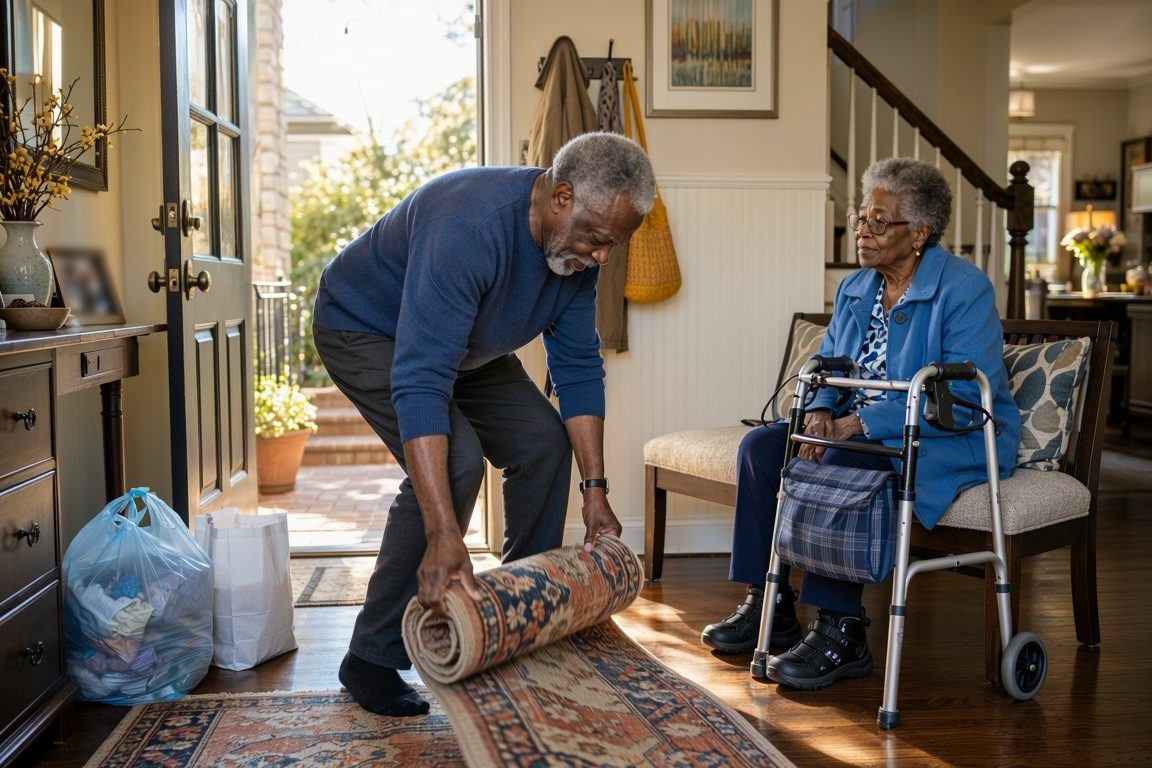
- Prepare the home environment: remove clutter, set up a calm landing zone, and stock easy meals and medications.
- Arrange transportation, follow-up appointments, and overnight care before discharge day.
- Do not try to do everything alone, use respite care, accept help from family, and ask the social worker for community resources.
- Take care of your own health: schedule a checkup, get sleep, and join a caregiver support group.
Videos
 Preparing for Hospital DischargeThis video walks through the exact steps to take before and during discharge, including questions to ask the hospital team and how to set up the home.
 Dementia Emergency PlanningCovers how to prepare for emergencies like a sudden hospitalization or evacuation, including creating a care notebook and emergency contact sheet.
 How and when to move someone with dementia to a nursing homeIf discharge leads to a facility placement, this video explains how to prepare the person with dementia and what to expect during the transition.
 Manage dementia caregiver stress: 4 tips to cope with difficult dementia behaviorsDischarge can trigger challenging behaviors; this video offers practical coping strategies like deep breathing and redirecting the person.
2 more videos
 106. 10 Strategies to combat caregiver stressProvides a broader set of stress management techniques that are especially useful during the high-stress post-discharge period.
 Quick Tips: When the Caregiving EndsWhile not directly about discharge, this video helps caregivers think about their own recovery and life after caregiving, which is important to consider even during transitions.
Background
Why discharge planning is so challenging for dementia caregivers
Hospital discharge for a person with dementia is rarely a simple 'go home and rest' situation. Studies show that nearly 40% of older adults receive less than a day's notice before discharge, leaving families unprepared for the ride home, picking up medications, or knowing what to expect once the patient arrives. For a person with dementia, the hospital environment itself is disorienting, new faces, strange sounds, disrupted routines , and the transition home can trigger confusion, anxiety, or even aggression. The hospital team may assume the family can manage overnight care, medication management, and follow-up appointments, but without clear communication, these tasks become overwhelming.
What happens when discharge planning fails
When discharge planning is rushed or incomplete, the consequences ripple through the first days and weeks at home. Caregivers may not know when or where to pick up prescriptions, leading to missed doses or skipped medications entirely. The person with dementia may be discharged still needing overnight care, but no one has arranged for a home health aide or family member to be present. Some seniors end up in nursing homes with little understanding of what that move will entail, adding trauma to an already stressful event. The stress of a poorly managed discharge can become 'the straw that broke the caregiver's back,' leading to caregiver burnout, health crises, or even the caregiver's own hospitalization. Planning ahead is not just about logistics, it's about protecting your own health and your loved one's safety.
The role of the hospital team and your advocacy
Your most powerful tool is proactive communication with the hospital team, the doctor, social worker, and nurse. Ask early in the hospitalization, 'What is the expected discharge date?' and 'What will my loved one need at home?' The team may not give an exact date, but they can give a range. Use that time to arrange transportation, pick up prescriptions, and prepare the home. If your loved one needs rehabilitation or a higher level of care, ask about options: in-home physical therapy, adult day centers, or short-term respite in a skilled nursing facility. Remember, you have the right to ask questions and to request a discharge planning meeting. The hospital social worker is your ally , they can connect you with community resources, home health agencies, and even help with pet care if that's a source of stress.
Practical tools
5
File of Life
A plastic sleeve on the refrigerator containing a current medication list, allergies, medical conditions, doctor contacts, emergency contacts, and a copy of the hospital discharge summary. First responders look for it, and it saves minutes in a crisis.
Landing Zone setup
A calm area near the front door with a sturdy chair, side table, water, a familiar photo, and a soft blanket. The person sits here to re-orient before moving through the house, reducing confusion and anxiety. Keep a notepad and pen there.
Medication management kit
A large-print 7-day pill organizer (morning/noon/evening/bedtime compartments), a loud digital timer or smartphone alarm app, and a kitchen whiteboard with the daily schedule. Supervise every dose and confirm with the doctor before crushing any tablet.
Questions for the hospital team checklist
A short list in your phone or wallet:
Daily recovery log
A one-page-per-day notebook or notes app recording meals, medications given, fluid intake, mood, sleep, and any new symptoms. Since the person with dementia may not reliably report how they feel, this log provides evidence for the doctor and consistency for any helper.
Different situations
For a person with Lewy body dementia
Be extra cautious about medication changes. Lewy body patients are extremely sensitive to antipsychotics and some sedatives, which can cause severe side effects. Before discharge, ask the doctor: 'Are any of the new medications antipsychotics or benzodiazepines? If so, is there a safer alternative?' Also, Lewy body patients often have visual hallucinations and movement issues; ensure the home has good lighting, clear pathways, and no loose rugs. Plan for more frequent rest periods, as fatigue can worsen symptoms.
For a late-stage dementia patient
Focus on comfort and safety rather than rehabilitation. The goal may be to keep the person calm and pain-free at home. Ask the hospital team about hospice or palliative care services that can come to the home. You may need 24/7 supervision; consider hiring overnight aides or using a hospital bed with side rails (with doctor approval). Simplify the environment: remove non-essential furniture, use a commode near the bed, and have a call bell or baby monitor. Discuss with the clinician whether a feeding tube or IV fluids are appropriate, these decisions should be made with the medical team, not alone.
For an adult child caregiver vs. a spouse caregiver
Adult children often have jobs, children, and other responsibilities. Plan to take at least a few days off work using the Family and Medical Leave Act (FMLA) if eligible. Coordinate with siblings using a shared calendar app (like Carely or Lotsa Helping Hands) to divide tasks: one handles medications, another handles meals, another handles transportation. Spouse caregivers may be older and have their own health issues. Prioritize the spouse's health: schedule a checkup for yourself within a week of discharge. Use respite care regularly to prevent burnout. Both roles benefit from joining a caregiver support group, either in person or online.
If the person is being discharged to a nursing home or assisted living
The transition to a facility is a major change. Visit the facility before discharge if possible. Ask the hospital social worker to coordinate a 'warm handoff', a call or meeting between the facility staff and the hospital team. Prepare the person with dementia by using therapeutic fibbing: say, 'This is a rehab center where the doctor wants you to get stronger for a few days,' or 'Our home is being painted, so you'll stay here temporarily.' Bring familiar items: a favorite blanket, photos, a familiar pillow. Unpack boxes before they arrive , a stark room with boxes is overwhelming. Coordinate drop-off during an activity like music or crafts so they can blend in immediately.
If the person is on Medicaid or has limited resources
Ask the hospital social worker about Medicaid home and community-based services (HCBS) waivers, which can pay for in-home aides, meal delivery, and adult day care. Some states have programs that cover respite care for Medicaid recipients. If you need equipment like a hospital bed, walker, or commode, ask about loan closets or medical equipment banks through local senior centers or religious organizations. Do not assume you cannot afford help, many services are free or sliding-scale. Call 2-1-1 or the Area Agency on Aging for local resources.
For the doctor
6
- Ask the doctor: 'Are any of the new medications likely to cause dizziness, confusion, or falls? If so, can we adjust the dose or timing?'
- Discuss with the clinician: 'My loved one has dementia and may not be able to follow complex medication schedules. Is there a way to simplify the regimen, like using once-daily doses or combination pills?'
- Ask the hospital team: 'What signs of infection, dehydration, or medication side effects should I watch for at home? When should I call the doctor versus go to the emergency room?'
- If your loved one is on blood thinners, diabetes medication, or heart failure drugs, ask: 'How do I monitor for bleeding, low blood sugar, or fluid buildup? What is the exact plan if I see these signs?'
- Discuss with the doctor: 'Is it safe for my loved one to be alone for any period of time after discharge? If not, what level of supervision is needed?'
- If the person has a feeding tube, catheter, or wound, ask: 'Who will teach me how to care for this at home? Is home health nursing available to come and help?'