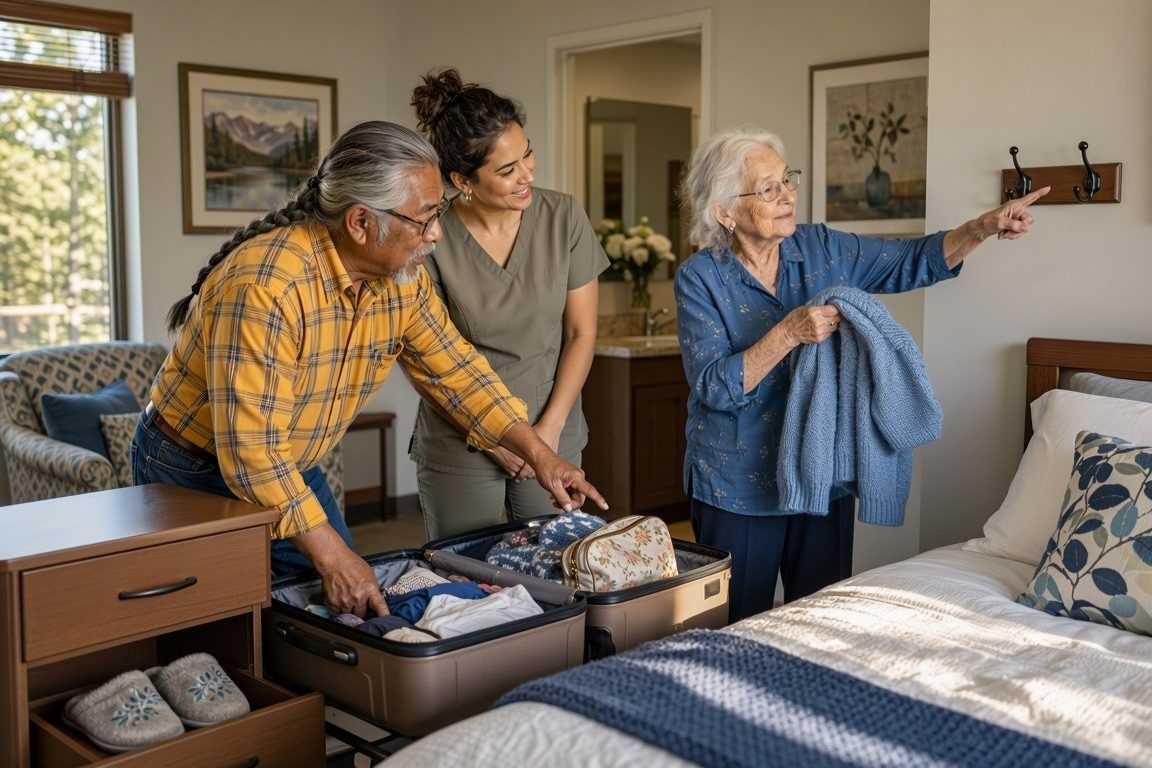
Step by step
What not to do
- Don't assume the staff know everything about your loved one. It's a common mistake to think that because you told them once, they remember. Staff change shifts, and information can get lost.Instead, repeat important details in writing and verbally, and always ask if they have any questions.
- Don't criticize staff in front of your loved one or other residents. This creates tension and undermines trust. If you have a concern, pull the staff member aside or schedule a private conversation. Frame it as a shared challenge: 'I'm worried about how Dad is reacting to bath time. Can we brainstorm some approaches together?'
- Don't expect staff to be mind-readers. They can't know that your loved one hates green beans or gets scared of the vacuum cleaner unless you tell them. Be proactive about sharing preferences and triggers. The more information you provide, the better they can personalize care.
- Don't become a 'helicopter' family member who hovers and second-guesses every action. This creates a defensive atmosphere and makes staff feel untrusted.Instead, trust the process while staying informed. If you have a concern, ask a question rather than issuing a command. For example, 'I noticed she wasn't wearing her glasses today. Is there a reason?' is better than 'Why isn't she wearing her glasses?'
- Don't neglect your own well-being. It's easy to pour all your energy into monitoring the facility's care. But you need to recharge. Use the time your loved one is in care to rest, attend a support group, or see a therapist. A burned-out family member cannot be an effective partner. Remember, caring for yourself is part of caring for your loved one.
- Don't wait for a crisis to communicate. If you only call when something is wrong, the relationship becomes adversarial. Establish a routine of positive check-ins, even if it's just a quick note saying 'She had a great day today, thank you.' This builds goodwill and makes it easier to address problems when they arise.
Key points
- View yourself as a collaborative partner, not a passive observer. Your knowledge of your loved one is invaluable to the care team.
- Establish a clear, consistent communication method from day one – whether it's a shared notebook, daily call, or weekly email.
- Attend all care plan meetings prepared with observations and questions. Frame concerns as team problem-solving, not criticism.
- Express appreciation regularly. A simple thank-you strengthens the relationship and encourages staff to go the extra mile.
- Personalize your approach based on your relationship (spouse vs. child), your loved one's dementia type and stage, and your financial situation.
- Don't wait for a crisis to communicate. Build a positive, ongoing dialogue to make problem-solving easier when challenges arise.
Videos
 Elizabeth Miller Founder and Owner of Happy Healthy CaregiverElizabeth Miller offers practical, compassionate advice for family caregivers navigating the healthcare system, including how to communicate effectively with professionals and advocate for your loved one.
 Connecting with the CaregiverThis video explores the emotional and practical aspects of the caregiver role, providing insights that can help you articulate your needs and build stronger partnerships with care staff.
 All Home Care Matters & Christina Keys Preview Upcoming New Show, 'Real Talk with Real Caregivers'This preview features real caregivers sharing their experiences, including the challenges and successes of collaborating with professional care teams. It offers relatable stories and practical tips.
 Caring For Elderly Parents What Matters MostThis video focuses on the core priorities in elder care, including the importance of teamwork between family and professionals to ensure the best quality of life for your loved one.
2 more videos
 Being a Working Caregiver in the Sandwich GenerationFor caregivers who also work, this video offers strategies for balancing job, family, and caregiving responsibilities, including how to delegate and collaborate effectively with facility staff.
 Dementia Care Partner Talk Show # 34: Three Skills and Two Strengths to Not Become the Lone RangerThis talk show emphasizes the importance of building a support team and not trying to do everything alone. It provides concrete skills for communicating with professionals and sharing the caregiving load.
Background
Why Collaboration Matters in Memory Care
When a person with dementia moves into a memory care facility, they are entering a new 'care team' environment. The facility staff become the primary daily caregivers, but you, the family, remain the expert on your loved one's history, preferences, personality, and life story. Effective collaboration bridges this gap. Research shows that strong relationships between care staff and family caregivers lead to better outcomes for residents, including improved satisfaction with care and greater well-being for both families and staff. The key is effective communication, especially because residents with cognitive impairment may struggle to express their needs, concerns, or preferences clearly. Staff rely on you for in-depth information about your loved one's physical, psychosocial, and emotional history, while you rely on staff for updates on their daily behavior and well-being.
The Shift from Solo Caregiver to Collaborative Partner
For many family caregivers, placing a loved one in memory care feels like handing over a deeply personal responsibility. You may have been the primary decision-maker and hands-on provider for months or years. Now, you must learn to trust a new team. This is a natural and challenging transition. The goal is not to step away entirely, but to shift your role from sole provider to informed advocate and collaborative partner. You are now a critical part of the care team, not just a visitor. Seeing yourself as a team member – the person who knows the history, asks the questions, and provides context – is essential. Professionals are trained in dementia care, but they lack your unique knowledge. Your partnership makes their care more personalized and effective.
What a Successful Partnership Looks Like
A successful collaboration is built on mutual respect, clear communication, and shared goals. It means the facility staff see you as a valuable resource, not an obstacle. It means you feel informed, heard, and respected. This partnership involves regular, structured communication about your loved one's care plan, daily activities, and any changes in condition. It also means working together to solve problems, such as difficult behaviors or medication adjustments. When this partnership works well, everyone benefits: your loved one feels more secure, you experience less anxiety, and staff feel more supported and motivated in their jobs. The foundation is a commitment to open dialogue and a shared understanding that you are all working toward the same goal – the best possible quality of life for your family member.
Practical tools
6
The 'Care Partner' Introduction Script
Use this exact phrase when you first meet the care team: 'I want to be a true care partner with you. I know my loved one's history and preferences, and you have the professional expertise. I believe we can do the best job together if we communicate openly and regularly. What works best for you – daily notes, a weekly call, or a shared log?' This script sets a collaborative tone and invites the staff to define their preferred communication method.
The 'Daily Update' Checklist
Create a simple checklist on a whiteboard or in a notebook that staff can fill out each shift. Include: '
' Leave a blank space for staff notes. This gives you a quick snapshot and shows staff what information you value.
The 'Care Plan Review' Question List
Before every care plan meeting, write down these three questions:
This keeps the meeting focused on collaboration and continuous improvement, not just reporting.
The 'Emergency Contact' Wallet Card
Create a laminated card for your loved one's room and for your own wallet that lists:
Give a copy to every staff member who interacts with your loved one. This ensures critical information is always at hand during a crisis.
The 'Appreciation Note' Template
Keep a stack of small thank-you cards in your loved one's room. When a staff member does something kind, write a quick note: 'Thank you for taking the time to sit with Mom during lunch today. She seemed so much calmer. I really appreciate your patience and kindness.' Hand it to the staff member or leave it at the nurse's station. This small gesture builds strong relationships.
The 'Transition Log' for the First Month
For the first 30 days, keep a daily log of your observations: what time you visited, what your loved one was doing, how they seemed, any interactions with staff, and any questions that came up. Review this log weekly to identify patterns. Share relevant observations with the care team at your first care plan meeting. This gives you concrete data to discuss, not just feelings.
Different situations
For a spouse caregiver (vs. adult child)
A spouse may feel a deeper sense of loss and guilt about placing their partner. They may also have a longer history of caregiving and feel more protective. Emphasize that the spouse is still the primary emotional partner, and the facility staff are there to support that role, not replace it. Encourage the spouse to share intimate details about their partner's life, such as favorite songs or inside jokes, to help staff connect. The spouse may also need more emotional support themselves, so recommend a caregiver support group or therapy.
For a loved one in late-stage dementia
In late-stage dementia, the person may be non-verbal or have very limited communication. Collaboration becomes even more critical because the person cannot advocate for themselves. Focus on sharing detailed information about pain cues, comfort measures, and end-of-life preferences. Work closely with the facility's palliative care or hospice team if involved. The goal shifts to comfort and dignity. Communication should be very frequent, perhaps daily, to monitor for subtle changes in condition.
For a family member with Lewy body dementia
Lewy body dementia can cause fluctuating cognition, visual hallucinations, and extreme sensitivity to medications (especially antipsychotics). It is vital to educate the care team about these specific symptoms. Share a list of medications that have caused problems in the past. Ask the facility to monitor for sudden changes in alertness or mobility, which could indicate a reaction. Collaboration must include the physician to ensure medication management is cautious and informed.
For a family using Medicaid or other limited funding
Families using Medicaid may have fewer facility choices and may face higher staff turnover or lower staffing ratios. In this situation, proactive communication is even more important. Be extra diligent about documenting everything and building relationships with the staff who are there. Ask about volunteer or activity programs that can supplement care. Consider joining the facility's family council to advocate for better resources. You may need to be more persistent in requesting care plan meetings and updates.
For an adult child who lives far away
Distance makes collaboration harder but not impossible. Rely on technology: schedule weekly video calls with the care coordinator, ask for emailed daily reports, and consider hiring a local geriatric care manager to visit and report back. Send a 'care package' with photos, familiar objects, and a recorded message for your loved one. Make sure the facility has your contact information and a backup local contact. Schedule your visits in advance and use them to build relationships with staff in person.
For the doctor
5
- Ask your loved one's doctor: 'Given my loved one's specific dementia type and stage, what are the most important things I should communicate to the memory care staff about their medical needs?'
- Ask the facility's nurse: 'What is the protocol for medication changes, and how will I be informed? Can we set up a system where I am notified before any new medication is started or stopped?'
- Ask the facility's social worker: 'What resources are available for family caregivers, such as support groups or educational workshops? Can you connect me with a family council or other families who have been through this transition?'
- If your loved one has a history of falls or wandering, ask the facility: 'What specific safety measures are in place, and how will I be notified if an incident occurs? Can we review the emergency plan together?'
- Ask the facility's physician or nurse practitioner: 'How often will you personally assess my loved one, and how can I share my observations with you directly?'