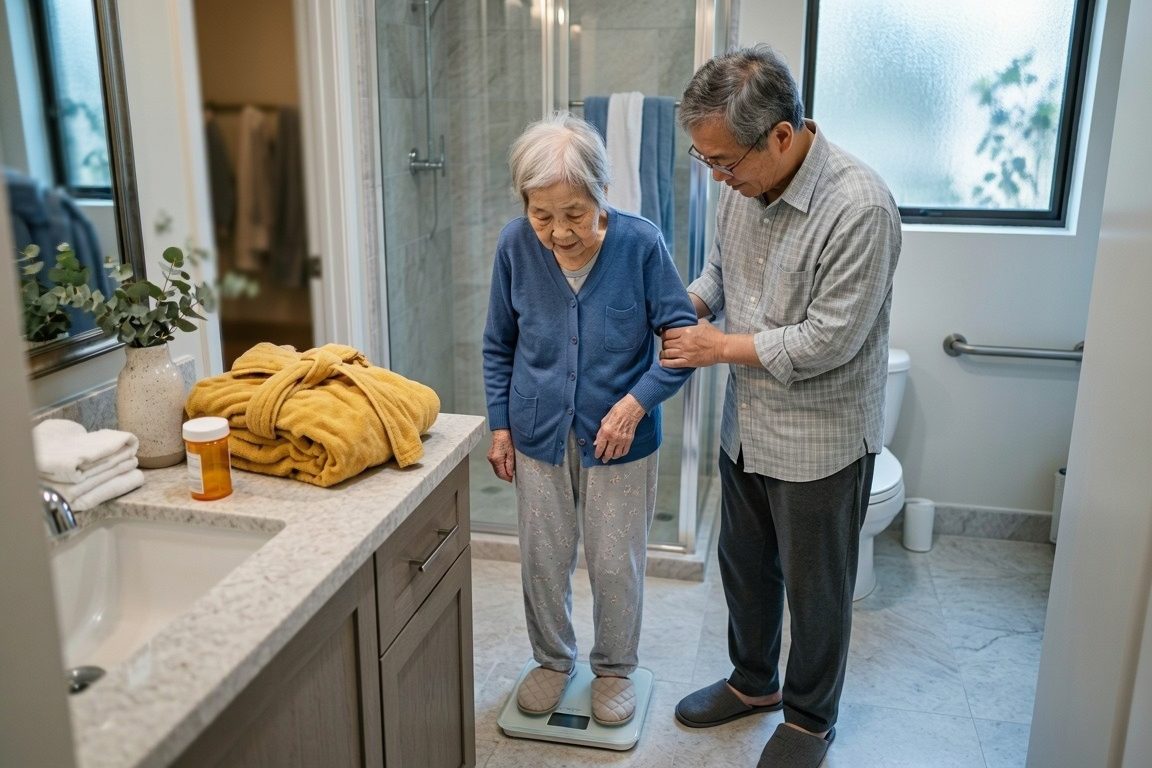
Step by step
What not to do
- Do not stop olanzapine suddenly. Abrupt withdrawal can cause severe anxiety, insomnia, nausea, headache, and even life-threatening symptoms. Always taper under medical supervision.Instead, talk to the doctor about a slow, gradual reduction if the side effects are too much.
- Do not assume weight gain is inevitable or harmless. Some caregivers think 'a little extra weight is good for an older person,' but olanzapine-induced weight gain often comes with metabolic changes that increase the risk of diabetes and heart disease.Instead, monitor weight and blood work proactively.
- Do not ignore signs of high blood sugar. Thirst and frequent urination can be mistaken for normal aging or dementia-related behaviors. If your loved one is suddenly drinking more or having accidents, check with the doctor rather than dismissing it.
- Do not use laxatives or diuretics to 'control' weight. These can cause dehydration, electrolyte imbalances, and damage to the colon.Instead, focus on diet and activity, and discuss any weight concerns with the clinician.
- Do not forget that olanzapine can cause sedation and confusion, which may increase fall risk. Do not assume your loved one is just 'having a bad day.' If they seem drowsy or unsteady, adjust the environment (e.g., remove tripping hazards, use a walker) and inform the doctor.
- Do not combine olanzapine with other sedating medications without medical advice. Benzodiazepines, sleep aids, and alcohol can worsen sedation and increase fall risk. Always check with the pharmacist or doctor before adding any new medication.
Key points
- Olanzapine is among the antipsychotics most likely to cause weight gain and metabolic problems, especially in women and with longer use.
- In elderly patients with dementia, weight gain may be less common but still possible; however, the risk of stroke and death is increased, so use must be carefully justified.
- Regular monitoring of weight, blood sugar, and cholesterol is essential, ask the doctor for a schedule.
- Never stop olanzapine suddenly; always taper under medical supervision to avoid withdrawal symptoms.
- Encourage a balanced diet, portion control, and gentle activity to help manage weight.
- If weight gain or metabolic changes become problematic, discuss switching to a lower-risk antipsychotic like aripiprazole or risperidone.
Videos
 Pharmacologic Management of Neuropsychiatric Symptoms in DementiaThis video provides an overview of medication options for dementia-related behaviors, including when antipsychotics like olanzapine might be considered and how to weigh risks.
 THIS Pill Causes Dementia!!!While this video focuses on benzodiazepines, it highlights the broader concern about medication risks in dementia, reinforcing the need for caution with any psychotropic drug.
 Selecting Antipsychotics for Behavioral or Psychological Symptoms of DementiaThis video directly addresses how to choose among antipsychotics for dementia, including the metabolic side effect profiles of olanzapine versus alternatives.
 Early Parkinson's DiseaseSince olanzapine can worsen Parkinsonian symptoms, this video helps caregivers understand the motor challenges that may arise and how to differentiate them from dementia progression.
Practical tools
6
Weekly Weight Log Template
Create a simple chart with columns for date, weight, and notes (e.g., appetite, thirst, mood). Post it on the refrigerator or in the care notebook. Use a digital scale with a large display for easy reading. Example entry: '3/15/2025 - 145 lbs - Ate well, no extra thirst.'
Blood Sugar and Symptom Diary
Keep a small notebook or use a phone app to record any symptoms of high blood sugar (thirst, urination, fatigue) along with the date and time. Also note if your loved one has diabetes and what their blood sugar readings are if they check at home. This helps the doctor see patterns.
Portion Control Plate
Use a divided plate (like a child's plate or a 'diabetes plate') to visually guide portions:
This makes it easier to serve balanced meals without measuring. For dementia patients, use contrasting colors to make food more visible.
Gentle Exercise Routine Card
Print or write a short list of simple exercises: 'March in place for 1 minute, arm circles 10 times, stand up and sit down 5 times (with help if needed).' Laminate it and keep it near the chair. Do the exercises together to encourage participation.
Medication Side Effect Checklist
Create a one-page checklist of common olanzapine side effects:
Review it weekly and check off any that appear. Bring this to doctor appointments to discuss.
Communication Script for Doctor Visits
Prepare a short script to say to the clinician: 'We started olanzapine [date] at [dose]. Since then, my loved one has gained [X] pounds, and I've noticed [symptom]. Can we check blood sugar and cholesterol? Are there alternatives that might cause less weight gain?' This ensures you get the information you need.
Different situations
For a loved one with Lewy body dementia
Olanzapine can worsen Parkinsonian symptoms (tremor, stiffness, shuffling) and cause severe sensitivity reactions. Weight gain may still occur, but the risk of movement side effects is higher. Discuss with the clinician whether quetiapine at very low doses might be a safer option, though evidence is limited. Monitor closely for increased confusion or rigidity.
For a spouse caregiver vs. an adult child caregiver
Spouse caregivers may feel more comfortable noticing subtle changes in appetite or weight, but may also be more hesitant to question the doctor. Adult children may need to advocate more assertively for monitoring. Both should keep a written log to share with the clinician. If the spouse is also elderly, consider enlisting a home health aide to help with meal prep and exercise.
For a patient in a nursing home or assisted living facility
Facility staff should be tracking weight and symptoms as part of routine care. Ask the nurse or dietitian for monthly weight reports and blood work results. If you notice weight gain, request a care plan meeting to discuss dietary adjustments or medication review. Be aware that some facilities may not monitor metabolic side effects closely unless prompted.
For a patient on Medicaid or with limited resources
Generic olanzapine is available and affordable, but monitoring blood work may require a clinic visit. Ask the doctor about free or low-cost lab services through community health centers. For diet support, look into local Meals on Wheels programs that offer balanced meals. Exercise can be done at home with no equipment.
For a patient with pre-existing diabetes or heart disease
This is a high-risk situation. Olanzapine can worsen blood sugar control and increase cardiovascular risk. The clinician should monitor blood sugar and lipids more frequently (e.g., monthly). Discuss whether a different antipsychotic like aripiprazole or risperidone might be safer. Never stop diabetes medications without medical advice.
For the doctor
6
- Ask the doctor: 'What is the plan for monitoring my loved one's weight, blood sugar, and cholesterol while on olanzapine? How often should we check these?'
- Discuss: 'If my loved one gains more than 5% of their body weight, what are our options? Can we switch to a different medication?'
- Inquire: 'Is olanzapine-samidorphan (Lybalvi) an option to reduce weight gain risk?'
- Ask about: 'What signs of diabetic ketoacidosis should I watch for, and when should I go to the emergency room?'
- Discuss: 'Given my loved one's dementia, is the benefit of olanzapine worth the risk of stroke or death? Are there non-drug approaches we can try first?'
- Ask: 'Can we check for drug reaction with eosinophilia and systemic symptoms (DRESS) if a rash or fever appears?'