
Step by step
What not to do
- Don't scold or pressure, yelling 'you have to eat' creates a power struggle; use a calm, inviting tone.
- Don't pile the plate high, a heaping portion can cause shutdown; serve a small amount on a smaller plate.
- Don't use elderspeak, baby talk can feel condescending; speak in a normal adult tone.
- Don't take 'no' as final, offer food at regular intervals; a small taste may spark appetite.
- Don't overlook depression, if refusal is persistent with withdrawal or sadness, talk to a doctor.
- Don't serve food piping hot without testing, people with dementia may lose temperature sense and burn their mouths.
Key points
- Meal refusal is often due to physical discomfort, lost hunger cues, or frustration with utensils, not stubbornness.
- Smaller, more frequent meals reduce overwhelm and match the person's natural appetite.
- Finger foods restore independence and make eating easier when utensils are confusing.
- A calm, consistent environment with minimal distractions helps the person focus on eating.
- Eating together as a social invitation works better than demanding they eat.
- Prioritize calories and protein over perfect nutrition, butter, whole milk, and favorite foods are your allies.
Videos
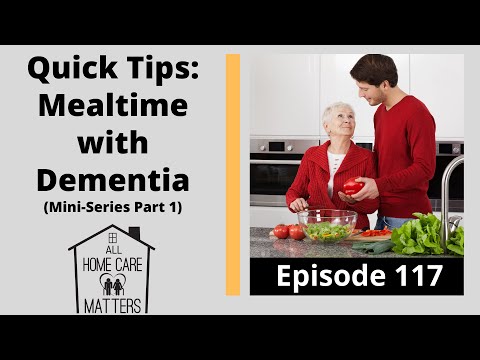 Quick Tips: Mealtime with Dementia (Mini-Series Part 1)Offers fast, visual strategies for reducing mealtime stress.
 Dementia Caregiving: How to Get Them to EatPractical tips from an occupational therapist on motivation and assistance.
 Improve meal times for someone with dementiaFocuses on environmental and routine changes that make a difference.
 Why Meal Refusal Happens with Dementia (And How to Tackle It Without a Fight)Explains the root causes of refusal and gives non-confrontational solutions.


Background
Why meal refusal happens
As dementia progresses, the brain loses its ability to register hunger and thirst. The person may not feel hungry even when their body needs fuel, or they may feel full after just a few bites (source 6). This isn't a choice, it's a neurological change. Additionally, the mechanics of eating can become frustrating: tremors, arthritis, or weakness in the hands can make using utensils difficult, leading to giving up (source 3). The person may also have mouth pain from ill-fitting dentures, sores, or sensitive gums, and they may not be able to tell you (source 15).
The role of environment and routine
Distractions can derail a meal. A person with dementia may find it hard to focus on eating if there's noise, clutter, or even visually confusing items like decorative salt shakers that look like food (source 9). Consistency is key: eating at the same time, in the same place, with the same sequence of steps (like saying grace or serving plates the same way) helps the brain settle into the task. A familiar routine reduces anxiety and makes eating feel safer (source 9).
Loss of appetite vs. loss of ability
In early stages, weight gain is more common, but as dementia advances, weight loss often becomes a concern (source 7). The body may need less fuel as it slows down, but that doesn't mean the person should stop eating entirely. The goal shifts from a perfectly balanced diet to simply getting enough calories and protein to maintain weight. This is where 'sneaking in' calories with butter, whole milk, or protein shakes becomes a practical strategy (source 1).
Practical tools
3
Two-Plate Choice Script
Hold up two plates with different foods and say, 'I made two options, you pick which one you'd like, and I'll have the other.' This gives a sense of control and works best when you eat the same meal together.
Calorie-Boosting Add-ons Checklist
Keep on hand:
Add a pat of butter to vegetables or blend fruit with yogurt to add calories without changing flavor much.
Finger Food Menu Ideas
Pre-cut into bite-sized pieces:
Serve on a plate without utensils.
Different situations
Late-stage dementia (amber/ruby stages)
Focus entirely on soft, easy-to-swallow foods like purees, puddings, and thickened liquids. Use finger foods exclusively if utensils are no longer recognized. Offer small amounts frequently, every 1-2 hours. Watch for swallowing difficulties and discuss with a speech therapist. The goal is comfort and hydration, not a full meal (source 12, 16).
Lewy body dementia or Parkinson's dementia
Be aware of tremors and rigidity that make eating harder. Use weighted utensils and non-slip mats. Serve foods that are easy to scoop (thick stews, mashed potatoes). Watch for visual hallucinations that might make the person suspicious of food, offer familiar, simple dishes. Also, note that compulsive eating can occur in some types of frontotemporal dementia; in that case, supervise and lock cabinets (source 21).
Spouse vs. adult child caregiver
If you're a spouse, you may have a history of shared meals, use that. Say, 'Remember how we used to have pancakes on Saturday? I made some for us.' If you're an adult child, avoid a parent-child dynamic. Instead, use a peer-like tone: 'I'm having lunch, want to join me?' (source 7).
In a care facility setting
Work with staff to ensure consistency: same table, same seat, same time. Ask if they can play the person's favorite music during meals. If the person refuses to eat in the dining room, try a quiet corner or their own room. Bring familiar utensils or a favorite cup from home (source 9).
Medicaid or limited resources
Use inexpensive tools: a plastic cup with a lid, a spoon with a built-up handle made from a foam hair curler, or a cloth napkin as a bib. For calorie boosting, add a pat of butter or a spoonful of peanut butter to foods. Protein shakes can be bought in bulk or made at home with milk, yogurt, and fruit. Popsicles can be made from juice in ice cube trays (source 1, 20).
For the doctor
5
- Ask the doctor or dentist to check for mouth pain, ill-fitting dentures, or dental issues that might cause refusal.
- Discuss any swallowing difficulties (coughing, choking, or pocketing food) with a speech therapist or doctor. They may recommend thickened liquids or a modified diet.
- If weight loss continues despite these strategies, ask about nutritional supplements (like Ensure) or a referral to a dietitian familiar with dementia (source 10).
- If the person shows signs of depression (persistent sadness, withdrawal, sleep changes), discuss whether an antidepressant might help improve appetite (source 21).
- If compulsive eating or food-seeking becomes a safety issue (e.g., eating non-food items), talk to the doctor about possible medication adjustments (source 21).