Step by step
What not to do
- Do not wait for friends to come to you, the other person is usually just as nervous and just as glad to hear from you.
- Do not let dementia be the only topic of conversation; your friends want to connect with the whole person.
- Do not try to do everything alone, asking for specific help turns a kind acquaintance into a friend you can lean on.
- Do not compare your social life to how it was before dementia; one close friend is worth more than a full calendar of small talk.
- Do not feel guilty for needing to cancel, leave early, or send a quick text instead of a long visit.
Key points
- Reaching out to one old friend with a simple, honest message can rekindle a valuable connection.
- Online caregiver support groups (like on Facebook) are proven to be as effective as in-person groups for building close friendships.
- Schedule time for connection, even 15 minutes a week, to make friendship a priority.
- Prepare a few light conversation topics so dementia does not dominate every chat.
- Small acts of giving (like sharing a meal) can turn a one-sided relationship into a reciprocal friendship.
- Do not wait for others to come to you, take the first step, even if it feels awkward.
Videos
 Avoid Loneliness in Old Age to Reduce Health RisksThis video explains the health risks of loneliness and offers practical ways to stay connected, reinforcing why making friends is vital for your well-being.
 DON'T LET DEMENTIA BE A CONVERSATION HOGThis video gives tips on how to keep conversations balanced and not let dementia dominate, which is key to maintaining friendships.
 At the First Sign of Dementia: Do This!This video encourages early action, including building social connections, which can help you and your loved one maintain friendships longer.
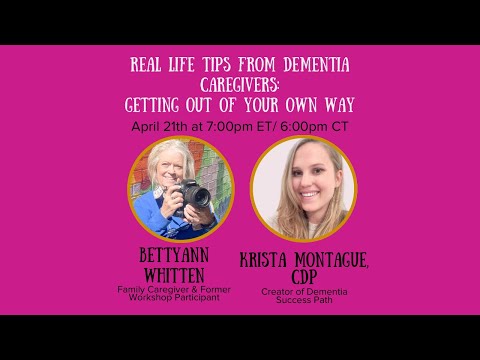 Dementia Caregiver Interview: Tips For Getting Out Of Your Own WayThis interview shares real caregiver stories about overcoming the fear and awkwardness of reaching out to friends.
2 more videos
 Ep. 106: What Role Do Our Genetics and Other Risk Factors Play in Developing Dementia?This video discusses brain health and the role of social engagement in reducing cognitive decline, motivating you to prioritize friendships.
 How To Prevent Alzheimers DiseaseThis video covers lifestyle factors including social connection, reinforcing that making friends is part of a brain-healthy routine.
Background
Why Friendships Matter Even More Now
The key is to start small and be consistent. You do not need a huge social network; even one or two close friends can transform your experience. Think of social connection as a form of self-care, like eating well or getting rest. It takes effort, but it is a workout for your soul and your brain. The first step is often the hardest, but it can be easier than you think. You might begin by sending a text, joining a free online support group, or simply saying hello to a neighbor. Every small step builds momentum.
Practical tools
4
The 'Reach Out' Script
A short, low-pressure phrase: 'I know it has been a while, but you have been on my mind. I would love to catch up when you have a moment, no pressure, just wanted to say hello.'
Conversation Starter Cards
Before a visit, jot two or three light topics (a funny pet moment, a recipe, a show) on an index card to glance at if conversation stalls.
A 'Here's Where I Am' Message
A short re-introduction script: 'A lot has changed. I'm caring for my [family member]. I miss our friendship and would love to find a way back to each other, even if it looks different now.'
Hearing Test Reminder
If you or your loved one struggles to follow conversation in noise or avoids groups, schedule a hearing test and bring a list of specific hard-listening situations.
Different situations
If you are caring for someone with early-stage dementia (still able to socialize)
Invite a friend over for a short, structured visit (e.g., coffee for 30 minutes). Include your loved one in the conversation by asking about their interests. You can also join a dementia-friendly community class together, like a walking group or art class. This helps both of you build new friendships.
If you are a spouse caring for a partner with dementia
Your closest relationship may have changed, and you may feel a deep sense of loss. It is especially important to find a close friend outside the marriage, someone you can be honest with about your feelings. Consider joining a spousal caregiver support group (online or in-person) where others truly understand your experience.
If you are an adult child caring for a parent
You may feel torn between your own family, work, and caregiving. Schedule short, regular phone calls or video chats with your own friends, even 10 minutes a week. Let them know you value them but have limited time. You can also ask a trusted friend to be your 'caregiver buddy' to vent to without judgment.
If your loved one is in a facility (nursing home or memory care)
You may feel isolated from other families. Visit the facility's common areas and introduce yourself to other visitors. Many facilities have family support groups or social events. You can also start a 'caregiver coffee hour' in the lobby once a week. Online groups remain a great option for 24/7 support.
If you are caring for someone with Lewy body dementia or Parkinson's dementia
These conditions can cause hallucinations, movement issues, and fluctuating alertness. When inviting friends over, choose a time when your loved one is most alert and calm. Keep visits short and have a quiet space ready if they need to rest. Explain to friends in advance what to expect, so they are not alarmed.
For the doctor
4
- If you feel persistent loneliness or depression that does not improve with social connection, discuss this with your doctor. You may benefit from counseling or a support group.
- If your loved one has hearing loss, ask their doctor for a hearing evaluation. Untreated hearing loss can worsen cognitive decline and increase social isolation.
- If you are considering adopting a pet for companionship, discuss any allergies or safety concerns with your doctor, especially if your loved one has mobility issues or a history of falls.
- If you are struggling with anxiety about social situations, ask your clinician about mind-body techniques like deep breathing, yoga, or short-term counseling to help you feel more confident.