Step by step
What not to do
- Don't wait for a crisis to plan. Ask people in early to moderate stages directly what comforts them and who they trust, while things are calm.
- Don't give multi-step instructions or leave them unattended during a disaster. Use one simple action at a time and stay by their side in unfamiliar settings.
- Don't neglect your own backup plan as a caregiver. Arrange a relief person, pack your own go-bag, and protect your rest, your exhaustion becomes a danger to both of you.
- Don't minimize the emotional toll after a disaster. Confusion and anxiety often spike in the following days, so keep routines steady, offer reassurance, and let them describe what frightened them.
Key points
- Start planning early, while the person with dementia can still participate in decisions and express preferences.
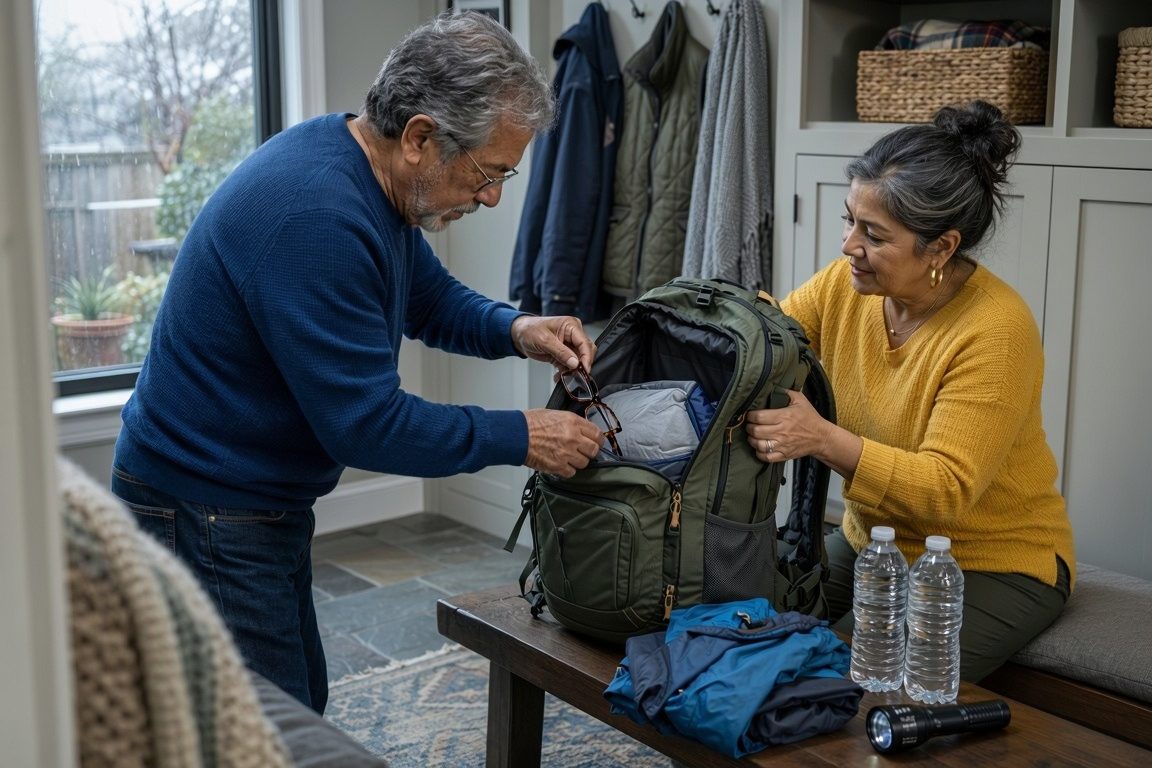
- Involve them in creating a simple emergency kit and practicing a drill, this builds familiarity and reduces fear.
- Use clear, calm communication and visual aids; avoid complex instructions during a real emergency.
- Tailor the plan to the person's stage and type of dementia, and update it as their condition changes.
- Include the Alzheimer's Association 24-hour helpline (800-272-3900) in your emergency kit for real-time support.
- Do not forget your own needs as a caregiver, arrange backup help and have a self-care plan for after the disaster.
Videos
 Dementia Emergency Preparedness: How to make sure your loved one stays safe in an emergencyThis video directly addresses the topic of disaster planning for dementia, offering practical steps and reassurance for caregivers.
 How Do You Keep Someone With Dementia Safe From Wandering? - Dementia Help HubWandering is a major risk during disasters; this video provides strategies to prevent it and respond if it happens.
 Why does a person with dementia MAKE LISTS? || The 'Why?' SeriesUnderstanding why people with dementia make lists helps you use this natural coping strategy in your planning.
Background
Why People with Dementia Can Still Participate in Planning
Many caregivers assume that a dementia diagnosis means the person cannot help with any planning, but that is not true. In the early and even moderate stages, people with dementia often retain the ability to understand their own needs and preferences. They may feel anxious about losing control or being a burden, and involving them in disaster planning can restore a sense of autonomy and purpose. For example, they might remember where they keep important documents or what comforts them during stress. The key is to have these conversations early, before the disease progresses to a point where understanding becomes difficult. As one source notes, 'the sooner these plans are put in place, the more likely it is that the person living with dementia will be able to participate in the process' (Alzheimer's Association).
How Dementia Affects Emergency Response
During a disaster, a person with dementia may experience heightened fear, confusion, and agitation. They might not recognize the danger or may wander off in an attempt to find a familiar place. Their ability to follow complex instructions or remember evacuation routes can be impaired. However, they can still contribute by identifying their own triggers and comforts, for instance, they might say they feel safer with a specific blanket or need to have their medication bag nearby. By planning together, you create a shared mental map of what to do. This reduces the shock of the event because the person has already rehearsed the steps in a calm setting. As one expert explains, 'people with dementia are especially vulnerable during situations like natural disasters and they may not be able to understand what's going on completely around them and how to respond appropriately' (Dementia Careblazers). That is why preparation is not just about logistics, it is about emotional safety.
The Role of Communication and Reassurance
When you involve the person with dementia in planning, you are also building trust. They learn that you will listen to their concerns and that their voice matters. This can reduce the paranoia or delusions that sometimes arise from memory loss, for example, if they cannot remember where they put their emergency bag, they might think someone stole it. By planning together, you create a system where they can check their own list or ask you for help without shame. Use simple, clear language and visual aids like a picture of the go-bag or a map of the house. Keep the tone positive and reassuring: 'We are doing this so we can both feel safe.' This approach aligns with the NICE guideline that recommends 'using additional or modified ways of communicating (for example visual aids or simplified text)' to support decision-making (NICE).
Practical tools
5
The Dementia Emergency Kit Checklist
A laminated card listing
Leave space for them to add their own comfort items.
The 'Safe Spot' Visual Cue
A brightly colored pillow, sign, or familiar object placed at the chosen safe spot. During practice, say 'When you feel scared, go to the red pillow. I will find you there.' It provides a concrete, memorable action when words fail.
The 'Emergency Partner' Card
A small laminated card reading: 'My name is [name]. I have dementia. Please call my caregiver at [number]. Thank you for your patience.' Keep one in their bag, coat, and emergency kit.
The 'Calm Down' Kit
A small pouch with
useful during the event and in the anxious hours after.
The 'In Case of Emergency' Medical Sheet
A one-page summary for first responders:
Laminate and place one in the wallet, on the refrigerator, and in the go-bag.
Different situations
Early-stage dementia (mild cognitive impairment)
The person can actively help create the plan and even lead parts of it. Encourage them to write their own emergency contact list and practice the drill with you. They may also be able to discuss legal and financial planning, such as naming a power of attorney, while they still have capacity.
Moderate-stage dementia
Focus on simple, repeated actions. Use visual cues and short phrases. They may not remember the plan from day to day, but they can follow a routine if practiced. Keep the emergency kit in a visible, consistent place. Involve them in packing the kit by handing them items one at a time.
Late-stage dementia
The person may not be able to participate verbally. Focus on environmental safety: secure furniture, install alarms, and have a detailed written plan for staff or family. Use the 'Calm Down Kit' to soothe them during a crisis. Ensure the emergency kit includes comfort items like a favorite blanket or music.
Lewy body dementia or Parkinson's dementia
These individuals may have visual hallucinations or movement difficulties. Avoid clutter in the safe spot. Use high-contrast signs (e.g., black text on yellow). Practice the drill at the same time of day when they are most alert. Include a flashlight in the kit in case of power loss, as they may be more sensitive to low light.
In a facility (nursing home or assisted living)
Work with staff to incorporate the person's preferences into the facility's emergency plan. Provide a 'personal emergency profile' that includes their triggers, comforts, and communication style. Ask for a consistent staff member to be assigned to them during drills. Ensure the facility has a system to alert you if they are evacuated.
For the doctor
4
- Ask your doctor: 'Given my loved one's stage of dementia, what is the safest way to involve them in evacuation planning? Are there any physical limitations I should consider?'
- Discuss medication management during a disaster: 'Should we have an emergency supply of medications, and how do we handle missed doses if we are displaced?'
- If the person has a history of wandering or agitation, ask: 'What strategies or medications can help reduce anxiety during a crisis without causing sedation?'
- For legal planning, consult a lawyer or social worker: 'What advance directives or power of attorney documents do we need in place to ensure the person's wishes are respected during an evacuation?'