Step by step
What not to do
- Don't accuse or interrogate. Saying 'Did you fall? I know you did!' will make them defensive and more likely to hide future falls.Instead, use gentle curiosity: 'I noticed a bruise on your arm. Can you tell me how that happened?'
- Don't ignore small bruises or changes. A tiny bruise can hide a hairline fracture. If you dismiss it as 'nothing,' you miss a chance to prevent a bigger injury. Always investigate.
- Don't assume a fall is impossible because the environment is 'safe.' Falls happen even in well-set-up homes. Non-slip mats and grab bars reduce risk but don't eliminate it. Stay vigilant.
- Don't rely solely on the person's report. Memory loss or denial means they may genuinely not recall or may choose not to tell. Trust your observations over their words.
- Don't skip the doctor visit. Even if they seem fine, a fall can cause internal injuries or a fear of falling that leads to reduced activity and more falls. A doctor can assess risk factors and recommend physical therapy.
Key points
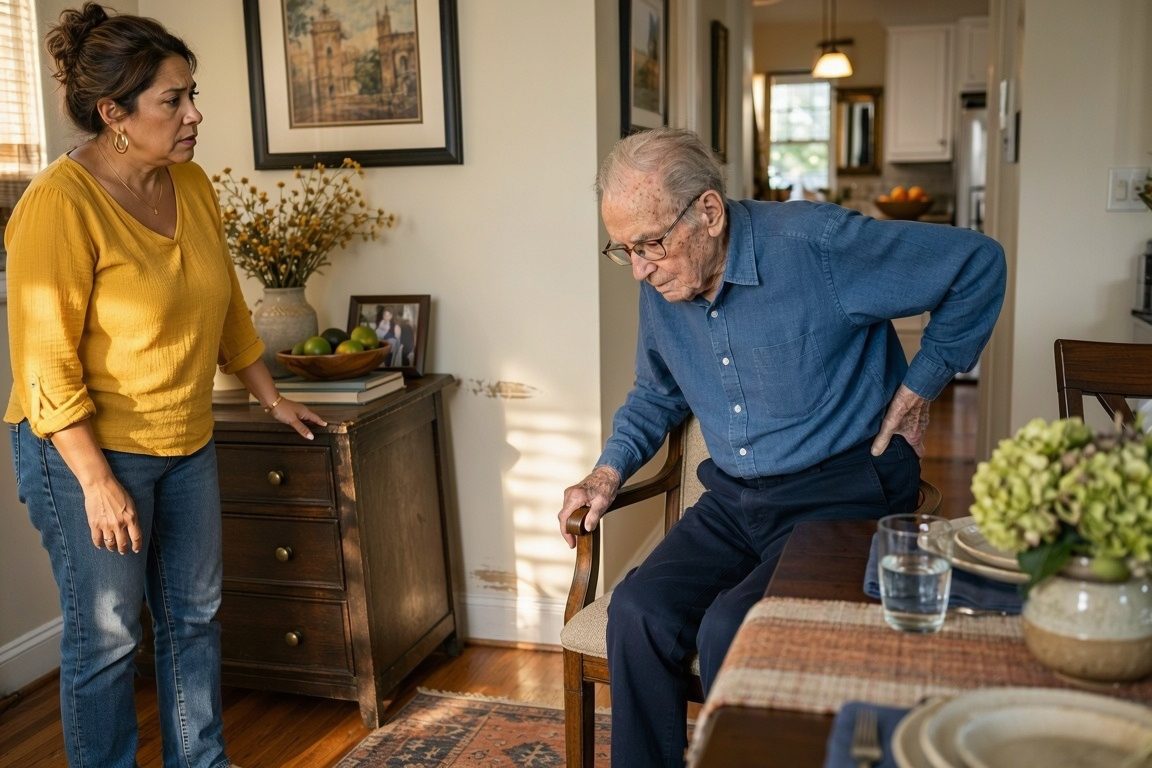
- Seniors often hide falls due to shame, fear, or memory loss. You must be a gentle detective.
- Look for physical clues: bruises on hands/arms, black eye, bump on head, or dirt on clothing.
- Watch for sudden cognitive or behavioral changes, these can signal a hidden fall or infection.
- Use a fall detection device or motion sensor system if you can't be there 24/7.
- Always follow up with a doctor after a suspected fall, even if they seem fine.
- Trust your instincts. If something feels off, investigate with love, not accusation.
Videos
 Quick Tips: Fall Prevention Tips for SeniorsProvides quick, practical home safety tips that also help you spot fall hazards and signs of a fall.
 When Should I Get Help for My Loved One with Dementia?Helps you recognize when a sudden change (like after a fall) warrants medical attention.
 Nathalie de Vazeille, Co-Founder of StackCareDiscusses smart home sensors that detect falls and inactivity, useful for remote monitoring.
 Ep. 325: When Someone Living With Dementia Goes Missing, and What to Do Before It HappensCovers wandering after a fall and how to prepare for emergencies.
2 more videos

Background
Why Seniors Hide Falls
Falls are often hidden because the person feels embarrassed, fears losing independence, or worries about being a burden. They may also simply not remember the fall due to cognitive decline. As one expert notes, 'you won't always be told if a fall occurs'. This is especially true for those with dementia, where the memory of the event may vanish almost instantly. The caregiver's job becomes detective work, not to accuse, but to protect.
The Physical Clues: Bruises, Swelling, and Pain
After a fall, the body leaves marks. Look for bruises or swelling on the hands, arms, or wrists, these are common when someone tries to brace themselves. A black eye or bump on the head is another red flag. But pain can be silent. People with dementia may not be able to say 'I hurt,' so watch for non-verbal signs: grimacing, guarding a body part, or sudden changes in sleep. The Pain Scale for Advanced Dementia (available at answersaboutalz.org) is a free tool to help you detect pain when words fail.
Behavioral and Cognitive Changes After a Fall
A fall can trigger a sudden decline in function. Look for 'sudden cognitive difficulties like a lack of...', for example, increased confusion, trouble walking, or new incontinence. This is critical: if your loved one shows a sudden change in behavior or confusion, it could be a sign of an underlying infection or injury from a fall. Don't dismiss it as 'just the dementia', that's a common trap called diagnostic overshadowing.
Practical tools
6
The Gentle Check-In Script
Use this exact phrase: 'I'm not trying to pry, but I care about you. Sometimes people have little falls and don't think it's a big deal. If that happened, I want to know so I can help you stay safe. Did anything like that happen?' This reduces shame and opens communication.
The Body Scan Checklist
Each visit, do a quick mental scan:
Fall Detection Technology
Consider a wearable alert button (e.g., Life Alert, Medical Guardian) or a motion sensor system (e.g., StackCare or similar) that sends an alert if no movement is detected for a set time. This is especially helpful if you live far away.
The Pain Scale for Advanced Dementia
Download the free Pain Scale AD from answersaboutalz.org. It helps you identify pain through facial expressions, body language, and vocalizations, essential when your loved one can't tell you they hurt.
The Sudden Change Log
Keep a simple log of any sudden changes in behavior, confusion, sleep, or mobility. Write down the date and what you observed. Share this with their doctor. A sudden change from baseline is a medical emergency.
Home Safety Audit
Check for
Different situations
Lewy body dementia
Lewy body dementia carries the highest fall risk of all dementias, about 35% higher than even Parkinson's. Be extra vigilant: falls can happen suddenly due to fluctuations in cognition and movement. Use a fall detection device and consider a helmet for head protection if they are unsteady.
Late-stage dementia
In late stages, the person may be non-verbal and bed-bound. Falls can happen during transfers (e.g., from bed to chair). Use a gait belt and get training on safe transfer techniques. Watch for skin breakdown after a fall. Discuss with a physical therapist.
Spouse vs. adult child caregiver
Spouses may be more likely to cover for each other. If you're an adult child, be aware that your parent may hide falls from you to avoid worrying you. Build trust by being non-judgmental. If you live far away, ask a neighbor or friend to check in regularly.
Living in a facility
In a facility, falls may still go unreported. Visit at different times of day and ask staff directly: 'Has there been any fall or near-fall since my last visit?' Look for unexplained bruises or changes in the person's room (e.g., new padding on the floor).
Medicaid or limited budget
If cost is a concern, use low-tech solutions: a simple bell on the door to alert you if they get up at night, or a free smartphone app that detects falls via motion sensors. Contact your local Area Agency on Aging for free or low-cost fall prevention resources.
For the doctor
5
- If you find a new bruise or bump on the head, ask the doctor: 'Could this be from a fall? Should we do an X-ray or CT scan to rule out a fracture or head injury?'
- If your loved one shows a sudden change in confusion or behavior, ask: 'Could this be due to an infection like a UTI, or a medication side effect?'
- If you suspect a fall but aren't sure, ask: 'What are the signs of a hidden fracture or internal injury I should watch for?'
- If your loved one is on blood thinners, ask: 'What should I do if they fall? Should I bring them in for a check even if they seem fine?'
- If they have a history of falls, ask: 'Can we get a referral for physical therapy to improve balance and strength?'