Step by step
What not to do
- Don't rely on GPS alone to prevent wandering. A tracker only helps you find them after they've left. Always combine it with door alarms, locks, and supervision. The goal is to prevent the exit in the first place.
- Don't hide the device without telling your loved one. If they discover it, they may feel tricked or angry, which can damage trust.Instead, be transparent: 'This helps me know you're safe.' If they're in late stages and can't understand, it's still best to avoid secrecy, frame it as a safety tool, not a spy device.
- Don't assume the device works everywhere. GPS needs a clear view of the sky and cellular coverage. In rural areas, inside buildings, or in tunnels, the signal may drop. Always have a backup plan: an ID bracelet, a Safe Return program, and a neighbor who knows your loved one.
- Don't ignore the device's battery. A dead tracker is useless. Charge it nightly, just like a phone. Set a daily alarm on your phone to check the battery level. Some devices have low-battery alerts, enable them.
- Don't forget to update the geo-fence when your routine changes. If you move, go on vacation, or start visiting a new park, update the safe zone in the app. Otherwise, you'll get false alarms or miss real ones.
- Don't use the tracker to restrict all independence. The goal is safe wandering, not confinement. If your loved one wants to walk in the backyard or around the block, let them, with the tracker on. This preserves their dignity and reduces agitation.
Key points
- GPS tracking gives you real-time location and geo-fence alerts, so you can find your loved one quickly if they wander.
- Choose a device that fits their stage and habits: watch, pendant, shoe insole, or hidden tracker.
- Always combine GPS with low-tech safety layers: door alarms, locks, ID bracelets, and a written wandering safety plan.
- Involve your loved one in the decision to preserve dignity and trust.
- Test the device and practice your response before an emergency happens.
- Update your setup as dementia progresses and your loved one's needs change.
Videos
 How Do GPS Tracking Devices Improve Dementia Safety?This video explains the core benefits of GPS tracking for wandering, including real-time location updates and how it helps caregivers respond faster.
 What Are Modern GPS Trackers For Dementia Safety?Shows the different form factors (wristbands, pendants, shoe insoles) and how they work, helping you choose the right device.
 KNOW WHAT TO DO if your loved one wanders away: Make a dementia wandering safety planWalks you through creating a complete wandering safety plan, including what info to give police and how to use GPS as part of that plan.
 Dementia Wandering: Prevention + What to Do If They Go Missing | Dr. Khushboo VermaCovers both prevention strategies and emergency steps, including the role of GPS and geo-fencing in a layered safety approach.
2 more videos
 Alzheimer's and Wandering - Professional Caregiver WebinarA professional-level webinar that discusses wandering triggers and how technology like GPS fits into a comprehensive care plan.
 An Interview with Dr. Jennifer Stelter Co-Founder, CEO, & Creator of the Dementia Connection ModelDiscusses sensory-based tools and the importance of training for caregivers, which complements the use of GPS by addressing the root causes of wandering.
Background
Why Wandering Happens and How GPS Helps
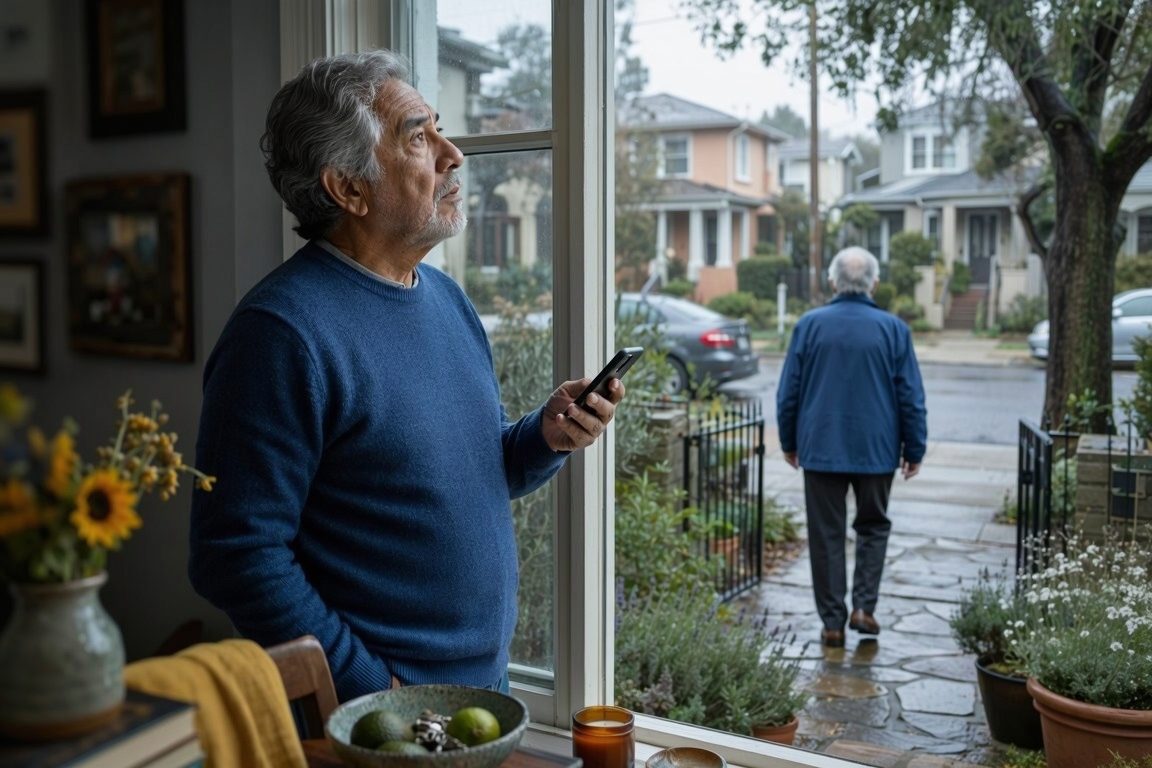
Wandering isn't random, it's often driven by an unmet need. Your loved one might be looking for a bathroom they can't find, reliving an old memory of 'going home,' or feeling restless from boredom or anxiety. As dementia progresses, the brain loses the ability to navigate familiar places, recognize landmarks, or remember how to get back. This is why even a short walk to the mailbox can turn into a dangerous situation. GPS tracking doesn't stop the urge to wander, but it gives you a critical tool to find them quickly, before they get far. Real-time location updates on your smartphone mean you can see exactly where they are, even if they can't tell you.
Geo-Fencing: Your Virtual Fence That Alerts You
Geo-fencing is like drawing a safe zone on a map, around your home, a park, or a neighbor's yard. When your loved one wears a GPS tracker, the device sends an alert the moment they cross that invisible boundary. This is a game-changer because you don't have to watch a screen all day. You can go about your day, and the system will text or buzz your phone if they leave the safe area. This immediate notification is vital: studies show that 50% of wanderers not found within 24 hours are at risk of serious injury or death. Geo-fencing turns a potential crisis into a manageable event, giving you precious minutes to respond.
Privacy, Dignity, and the Right Fit
It's natural to worry about privacy and autonomy. The key is to involve your loved one in the decision as much as possible. Frame it as a tool for their safety, not surveillance: 'This watch helps me know you're okay, so you can enjoy your walk without me worrying.' Choose a device that feels comfortable and dignified, a stylish watch, a discreet pendant, or a tracker hidden in a shoe insole. Some people with dementia may fidget with or remove a wristband, so a shoe-based tracker can be a better option. Always respect their comfort and dignity; if they resist, try a different form factor or involve them in picking the color or style.
Practical tools
6
GPS SmartSole
A discreet tracker that fits inside a shoe, under the insole. It's rechargeable and works with a smartphone app. Ideal for people who remove watches or pendants. The app lets you set geo-fences and get real-time location. Cost: around $300–$400, plus a monthly cellular fee.
AngelSense GPS Tracker
A wearable device (clip or watch) designed for dementia and autism. It has a 'listen-in' feature so you can hear the surroundings, plus a dedicated customer support line for caregivers. The app allows multiple caregivers to see the location. Monthly fee: about $40–$50.
Jiobit GPS Tracker
A small, waterproof tracker that clips to a belt, pocket, or lanyard. It has a long battery life (up to 2 weeks) and uses both GPS and Wi-Fi for accuracy. The app sends instant alerts when the person leaves a safe zone. No monthly contract; pay-as-you-go plans available.
Apple Watch with Cellular (GPS + Fall Detection)
If your loved one is in early-stage dementia and can manage a smartwatch, this is a powerful option. It has built-in GPS, fall detection, and emergency SOS. You can set up 'Location Sharing' in the Find My app to see their location on your iPhone. Requires an iPhone and a cellular plan.
Medical Guardian GPS Pendant
A waterproof pendant worn around the neck with a button for emergency help. It has GPS tracking and geo-fencing, plus a speakerphone for two-way talk. Good for people who are comfortable wearing a pendant. Monthly fee: about $30–$45.
Alzheimer's Association Safe Return Program
A 24/7 nationwide support program. For a one-time fee (around $50), you get an ID bracelet or necklace with a toll-free number. If your loved one is found, anyone can call the number, and the program alerts you and local authorities. This is a low-tech backup to GPS.
Different situations
Early-stage dementia (still independent, may drive)
Use a smartwatch like an Apple Watch with cellular. Frame it as a safety tool for their independence: 'This lets me know you're safe when you're out.' Set a daily check-in time (e.g., 10 AM) where they confirm they're okay. If they still drive, discuss driving safety with their doctor: GPS can't prevent a car accident.
Middle-stage dementia (frequent wandering, sundowning)
Choose a device that's harder to remove, like a shoe insole or a pendant worn under clothing. Set geo-fences around the home and any frequently visited places. Combine with door alarms and a nightlight path to the bathroom. Keep a 'go bag' with a recent photo, medical info, and a list of emergency contacts near the door.
Late-stage dementia (bedridden or very limited mobility)
GPS may be less critical if they can't walk, but consider a pendant with fall detection. Focus on bed alarms and pressure mats to alert you if they try to get up. If they still wander in a wheelchair, a GPS tracker in the wheelchair's pocket can help if they roll away.
Lewy body dementia (fluctuating cognition, hallucinations)
Wandering may be triggered by visual hallucinations or paranoia. GPS is still useful, but be aware that the person may remove the device if they think it's 'bugged.' Use a hidden tracker (shoe insole or sewn into clothing). Also, address the underlying cause of wandering with their doctor, medication adjustments may help.
Living in a facility (assisted living or nursing home)
Check if the facility allows personal GPS devices. Some have their own wander management systems. If allowed, use a small, non-intrusive tracker (like a pendant or shoe insole). Inform the staff that your loved one wears it, and share the geo-fence settings with them. This can help staff respond faster if the person leaves the building.
Spouse caregiver vs. adult child caregiver
Spouses may feel more protective and want constant tracking; adult children may worry about privacy. Have an honest conversation about the risks. A spouse might say, 'I need this to sleep at night.' An adult child can frame it as, 'This helps me help Dad stay safe when you're not around.' Both roles benefit from a shared app that multiple family members can access.
For the doctor
5
- Ask your loved one's doctor if there are medical causes for wandering (e.g., UTI, pain, medication side effects) that should be treated first, before relying on GPS.
- If your loved one is still driving, discuss with their doctor whether a driving evaluation is needed. GPS cannot prevent them from driving away.
- Ask the doctor about non-pharmacological interventions for wandering (e.g., structured activities, sensory tools) that can reduce the urge to wander.
- If your loved one has a history of falls, ask the doctor if a GPS device with fall detection (like an Apple Watch or Medical Guardian) is appropriate.
- Discuss with a social worker or elder law attorney whether GPS tracking raises any legal or ethical concerns, especially if your loved one objects to wearing it.