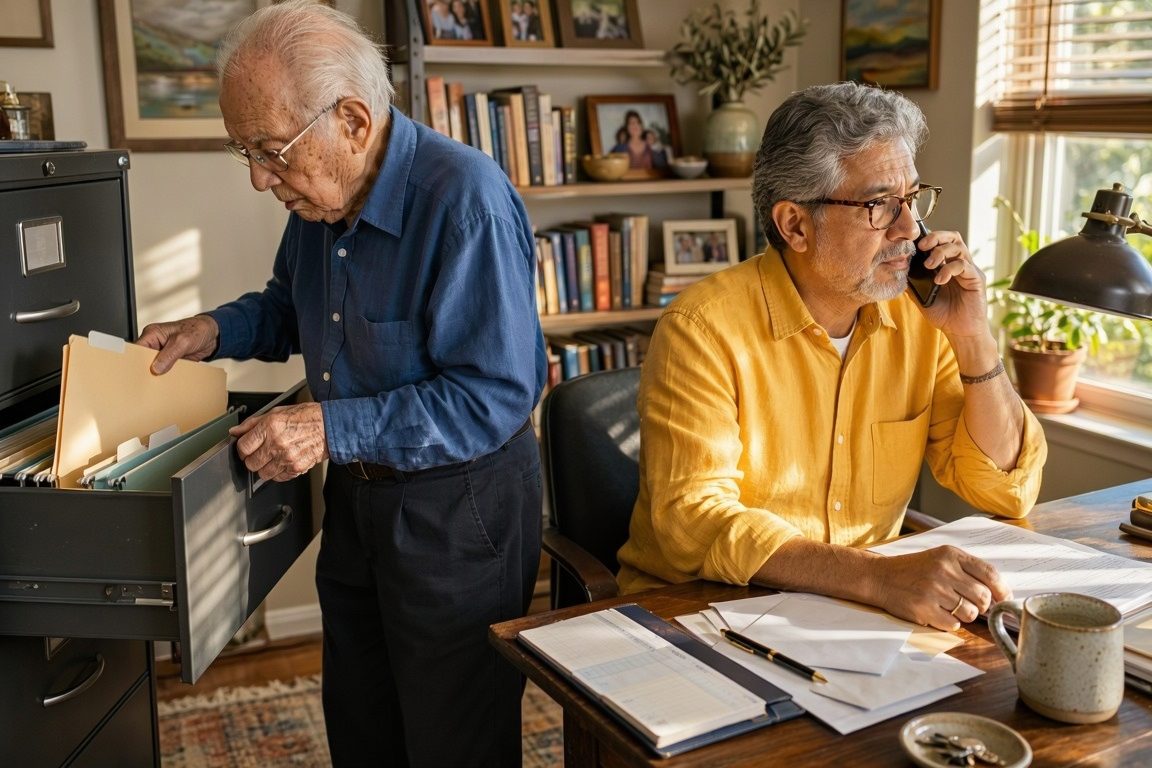
Step by step
What not to do
- Don't assume that being a spouse or adult child gives you automatic authority, without a power of attorney, banks and doctors in many states will not act on your word or share information.
- Don't rely on generic online templates; state laws vary and change, and a small error can invalidate a document. Use an elder law attorney for state-specific, dementia-aware drafting.
- Don't wait for a crisis. If capacity is lost before signing, you may face costly court guardianship instead of a simple power of attorney.
- Don't take money from your loved one's accounts as a 'loan' or 'early inheritance', it is illegal and can trigger Medicaid's five-year look-back, forcing repayment or denying coverage.
- Don't keep the plan or diagnosis secret from key family members; surprises breed suspicion, conflict, and legal challenges. Be transparent.
- Don't forget to update beneficiary designations on retirement accounts and life insurance, since they override the will.
- Don't overlook digital assets (email, social media, cloud storage, subscriptions, passwords); without a plan, families can lose access permanently.
- Don't assume a will is enough, it only takes effect after death and does nothing during the living years of incapacity.
- Don't handle finances informally; joint accounts and verbal agreements alone often won't be honored and can lock you out.
- Don't cut the person with dementia out of planning while they can still contribute; use simple language, allow time, and respect their choices.
- Don't skip fraud alerts and credit monitoring, people with dementia are prime scam targets.
Key points
- Act immediately after diagnosis: the window of legal capacity is limited and can close faster than expected, especially in some dementia types.
- The core documents are a durable power of attorney for finances, a healthcare power of attorney, a living will/advance directive, and a will (and possibly a trust).
- Use an elder law attorney who knows your state and handles dementia, Medicaid, and Veterans issues, not DIY online forms.
- Without documents you may face guardianship/conservatorship: expensive, slow, public, and emotionally draining.
- Involve your loved one as long as possible to honor their wishes and reduce family conflict; start with love, not fear.
- If your parent is a veteran, apply for VA Aid and Attendance early to help pay for care.
- If the family includes a disabled dependent, get specialized advice on a special needs trust.
- Store documents safely, share copies with agents and doctors, and review yearly or after major changes.
Videos
 Dementia & Power Of AttorneyExplains exactly what a power of attorney is, why it is critical in dementia, and how to get one while the person still has capacity.
 The Baffled Brain: Demystifying Dementia Episode 18 March 27, 2021Discusses the legal and financial pitfalls families face when planning is delayed, including real-life stories of exploitation and court battles.
 6 Reasons You Want To Know If Someone Has DementiaHighlights why early diagnosis is key for legal planning, including the ability to make decisions and protect assets.
 Helping someone with dementia manage finances (before it’s too late)Practical steps for setting up financial oversight, including how to talk to the person and what documents to have in place.
8 more videos
 Advanced Directives from the Perspective of a Concerned Person Living with DementiaOffers a first-person perspective on why advance directives matter and how they can preserve dignity and choice.
 Does your loved one with dementia resent you? Try this!Addresses the emotional challenge of a loved one who resists help, including tips for approaching the legal planning conversation without triggering resentment.
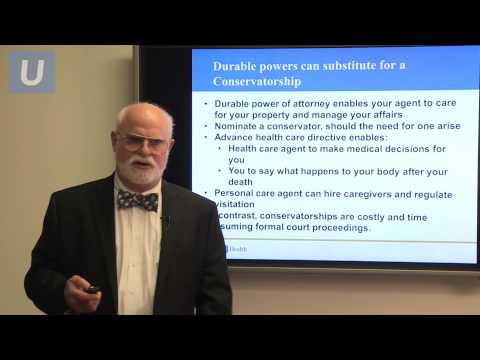 Elder Law: Protecting & Caring for Patients with Dementia | Marc B. Hankin | UCLAMDChatThis video explains the legal tools, like powers of attorney and conservatorships, and how they apply to dementia care. It also covers protecting assets for a spouse and avoiding financial abuse.
 Optimal Dementia Care Path: From Early Diagnosis to the Right SupportThis video outlines the ideal care journey, including the critical step of legal planning early after diagnosis. It helps you understand why timing matters and what support is available.
 What Dementia Caregivers Wish They Knew SoonerCaregivers share their regrets about not starting legal planning earlier. This video can motivate you to act and give you insight into common pitfalls to avoid.
 The Baffled Brain Demystifying Dementia Episode 30This episode focuses on the emotional side of legal planning and offers strategies for talking to your loved one without causing distress. Useful for the conversation step.
 Reasons Someone Should Get Dementia TestingThis video explains the benefits of formal neuropsychological testing, which may be required for legal capacity assessments or to qualify for certain benefits.
 Michael Ellenbogen Global Dementia Advocate & ConnectorMichael shares his personal experience as someone living with dementia, offering insights on how to involve the person in planning and respect their autonomy.
Background
Understanding the situation
Dementia is a progressive brain disease that gradually erodes a person's ability to reason, judge, and understand complex information. Early on, your loved one usually still has 'legal capacity', the mental ability to understand and sign binding documents, but this can fade quickly and, in some types, unpredictably. Acting while capacity remains lets the person choose who will act for them and express their own wishes, so later decisions reflect their values rather than a guess. If you wait until capacity is lost, no one can be legally appointed, and you may have to petition a court for guardianship or conservatorship, a public, slow, and expensive process (often several thousand dollars and months of waiting). A diagnosis alone gives family members no authority: banks, hospitals, and insurers require the actual documents before they will share information or follow your instructions. Delay invites real harm, unpaid mortgages discovered a year too late, impulsive purchases, scams, or a 'helpful' relative quietly draining accounts (which is illegal and can trigger Medicaid's five-year look-back). Done early, this work is not a takeover; it is a framework that preserves dignity, honors choice, prevents crises, and lets the family focus on care instead of courtrooms.
Practical tools
10
Conversation Starter Phrases
Open with warmth and shared purpose, not accusation. Try: 'I want to make sure we can take care of things the way you want, let's meet with a lawyer together.' Or: 'Everyone should have these documents; let's do it together.' Or: 'I want to make sure we respect your wishes, can we talk about what you'd want if you couldn't speak for yourself?' Avoid phrases like 'You can't manage your money.' If the word 'dementia' causes distress, leave it out and focus on honoring wishes and planning for the future.
Six-Item Document Checklist
Track and check off the essential legal documents as each is completed, then keep this list with the documents:
Document Organizer / 'Gather and Go' Binder
Build a three-ring binder or folder with tabs for Legal Documents, Financial Accounts, Insurance, Medical Records, and Contacts. Include:
Store in a fireproof safe and tell a trusted person where it is. Bring it to the attorney meeting.
Elder Law Attorney Referral & Consultation Checklist
Find a specialist through the National Academy of Elder Law Attorneys (www.naela.org) or the Alzheimer's Association 24/7 Helpline (800-272-3900); ask about a flat-fee document package. At the consultation, ask:
Bring the gathered documents and a written list of your concerns.
Durable Power of Attorney Guidance
Request a power of attorney that is both 'durable' (stays valid after capacity is lost) and 'effective immediately,' so your agent can act right away. Avoid 'springing' powers that require a doctor's declaration of incapacity, which can cause harmful delays in a dementia situation.
Veterans Benefits Application Assistance
If your loved one is a veteran, apply for VA Aid and Attendance as early as possible to help pay for home care, assisted living, or memory care. Contact a Veterans Service Officer (VSO) through the local VA office or a veterans organization like the American Legion. An elder law attorney can help structure assets to qualify, do not wait until savings are gone, since early planning can also protect assets for a healthy spouse.
Special Needs Trust Guidance for a Disabled Dependent
If your loved one helps support a child or dependent with special needs, ask the elder law attorney to set up a special needs trust that holds assets for that person without disqualifying them from government benefits like SSI or Medicaid. The attorney can also help name a guardian for the dependent in the will. This is a complex area that requires professional legal advice.
Family Meeting Conversation Guide
Bring a short list of gentle, open-ended questions to keep the family meeting focused and warm:
Print it and keep it on hand.
2 more tools
Financial Monitoring & Fraud Protection Setup
Protect a vulnerable person's money by enabling online banking and credit alerts, setting up automatic bill pay, adding a 'trusted contact' to accounts, placing a credit freeze at all major bureaus, and reviewing statements every month to catch missed payments, unusual spending, and scams.
Free Online Course from the Alzheimer's Association
Take the free course 'Dementia Conversations: Driving, Doctor Visits, Legal & Financial Planning' at training.alz.org to prepare for difficult conversations and learn legal and financial planning strategies.
Different situations
Lewy body or frontotemporal dementia: These types often cause earlier, more dramatic changes in judgment, impulse control, and behavior, raising exploitation risk. Act faster than with Alzheimer's, ideally getting an immediately effective financial power of attorney signed as soon as possible after diagnosis. Involve a neurologist who understands these conditions and monitor accounts closely.
Lewy body / Parkinson's disease dementia with fluctuating cognition: Cognition can be clear one day and confused the next, so sign documents on a 'good day' when the person is alert. The person may resist naming a family agent due to paranoia or hallucinations; an attorney can use neutral language or involve a trusted third party, and a neurologist can help time the signing.
Early stage / mild cognitive impairment: The ideal time to act. The person can fully participate and sign. Get all documents in place now, have open conversations about wishes, consider a revocable living trust if they own a home, and apply for benefits like SSDI or long-term care insurance while still eligible.
Middle / moderate stage: Capacity may fluctuate. Work quickly with the attorney to sign on a good day; use short sentences, visual aids, and repetition. If the person resists, involve a trusted doctor or clergy. If capacity cannot be confirmed, you may need to consider guardianship.
Late / severe stage (capacity lost): A valid power of attorney is no longer possible. You will likely need to petition the court for guardianship or conservatorship, which requires a doctor's evaluation and a hearing and can cost roughly $2,000–$5,000 or more and take months. Consult an elder law attorney immediately and focus financial planning on paying for 24/7 care.
Spouse vs. adult child caregiver: Spouses often share joint accounts but still need a durable power of attorney for accounts solely in the patient's name and for healthcare decisions. Adult children have no automatic authority, so acting is even more urgent, and may face sibling conflict, consider splitting roles (one child for medical, another for finances). Spouses should also ask the attorney about protecting their own retirement and assets ('spousal refusal' or asset-division strategies); adult children should ensure their own documents are in order.
Facility or memory care (nursing home / assisted living): Facilities usually require a power of attorney and a healthcare directive before sharing information, signing admission agreements, managing income, or following instructions. Have these ready before admission. If none exist, you may need a conservatorship, and Medicaid planning with an elder law attorney becomes critical.
Low income / Medicaid-eligible families: A will and powers of attorney remain essential even with few assets; dying intestate means state law decides who inherits. An elder law attorney can structure assets to qualify for Medicaid (which may involve a trust, careful transfers mindful of the five-year look-back, or a Miller/income-only trust). Some legal aid clinics offer free or sliding-scale help. Don't attempt Medicaid planning alone, rules are complex and vary by state.
Families with a disabled child or dependent: Plan for the dependent's future with a special needs trust that preserves their government benefits, and name a guardian for them in the will. This requires professional legal advice.
Veterans benefits as a payer: Apply for Aid and Attendance early to help fund home care, assisted living, or memory care, and use an attorney to structure assets to qualify without spending down everything.
Common questions
6
It's never too early to start, even small steps, like gathering documents into one binder, bring immediate peace of mind.
When choosing agents, pick people who are trustworthy, organized, and willing; splitting medical and financial roles between two people can balance the load and reduce conflict of interest.
Sign legal documents on a 'good day' when your loved one is alert and oriented; reschedule if they are confused or distressed, and let the attorney assess capacity.
A few sessions with a qualified elder law attorney is often the best money you'll spend, ask about flat-fee document packages.
Keep a regularly updated list of accounts, passwords, and financial contacts, and share its location with the named agent.
You are not alone, support groups, elder law attorneys, and the Alzheimer's Association are experienced at helping families through exactly these conversations.
For the doctor
1
- Ask your loved one's doctor: 'Does my loved one currently have the legal capacity to sign a power of attorney and will, and what signs tell us capacity is declining?' Also ask: 'What is the typical timeline for losing legal capacity given this diagnosis and stage, and can fluctuating cognition (as in Lewy body dementia) affect timing?' Ask whether any medications or treatments might temporarily improve cognition enough to allow participation in planning, and how the doctor's process works for providing a letter or evaluation to confirm incapacity (for a springing power) or to support a guardianship petition. Ask: 'What are the signs my loved one can no longer manage finances safely, and how can we involve them in decisions while protecting them from harm?' If there is a history of mental health or substance use, ask how that affects decision-making capacity. Before any trust or asset transfer to qualify for Medicaid, confirm with the doctor whether the person can understand and consent, then take all legal action through an elder law attorney. Ask the doctor to recommend a social worker or care coordinator to help navigate legal and financial resources. Always confirm any medical or medication question with the treating clinician.