Step by step
What not to do
- Do not isolate out of shame or fear; stay engaged with friends, family, and community despite the diagnosis.
- Do not refuse help with driving, cooking, or finances until you are exhausted, accept support early to preserve energy for meaningful activities.
- Do not suppress grief, anger, or sadness; allow yourself to feel and express these emotions openly rather than forcing positivity.
Key points
- A dementia diagnosis does not mean the end of a meaningful life. There is life after diagnosis, and purpose can be rebuilt in new ways.
- Grief is normal and should be acknowledged, not suppressed. Allow yourself to feel and express emotions through talking, writing, or creative outlets.
- Purpose can be small and simple: watering a plant, listening to music, folding laundry, or volunteering for an hour a week.
- Social connection is crucial. Join a support group, call a friend, or attend a community event. You are not alone.
- Focus on what you can still do, not what you have lost. This mindset shift can transform your daily experience.
- Set specific, achievable goals and celebrate each small accomplishment. Purpose grows from action, not waiting.
Videos
 How Do People With Dementia Deal With Grief?This video directly addresses the emotional journey after diagnosis, including grief and finding hope. It offers real stories and practical advice for moving forward.
 Time with Teepa - From Executive Leader to a Person with Brain Change?Teepa Snow discusses how identity and purpose shift after a diagnosis. This is especially helpful for people who held high-responsibility roles and are now adjusting to a new sense of self.
 The Caregiver's Journal with Lance A. Slatton with Cindy PT & Christina ST 'Family Caregivers'This conversation includes perspectives from both caregivers and people living with dementia, offering a balanced view on finding purpose and maintaining relationships.
 The Inspiration Behind Maude's Awards with Executive Director Marilyn Raichle MPA & Marigrace BeckerThis video highlights innovative programs that help people with dementia find purpose and community. It provides inspiration and concrete examples of what is possible.
2 more videos
 Teepa for Ten | People Living with Dementia, What Should I Do After a Diagnosis?Teepa Snow offers direct, actionable advice for people who have just received a diagnosis. It covers next steps, emotional support, and finding purpose.
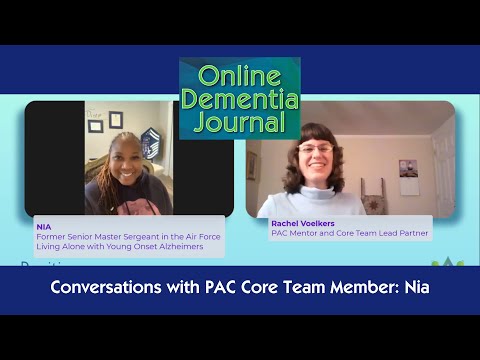 Online Dementia Journal | Conversations with PAC Core Team Members: NiaThis discussion includes a person living with dementia sharing their personal journey of finding purpose through advocacy, community, and creative expression.
Background
Why Purpose Matters After Diagnosis
A dementia diagnosis often brings a wave of grief, confusion, and fear. You may feel like your life has no direction, or that you are simply waiting for the disease to take over. But research and lived experience show that having a sense of purpose is vital for everyone, including people living with dementia. Purpose gives you a reason to get up in the morning, a way to connect with others, and a source of self-worth that the diagnosis cannot erase. As one national advocate puts it, 'There is life after diagnosis.' The key is to shift your focus from what you have lost to what you can still do, and to find new ways to contribute and feel valued.
The Emotional Journey: Grief, Hope, and Acceptance
After diagnosis, it is normal to feel a range of emotions: shock, anger, sadness, guilt, and even relief at finally having an explanation. Many people describe feeling 'turned upside down' and lost. This is a form of grief, grief for the future you imagined, for abilities that may change, and for the person you used to be. It is important to allow yourself to feel these emotions without judgment. At the same time, you can begin to move beyond acceptance toward finding purpose. This does not mean ignoring the hard parts; it means choosing to live fully in the time you have, whatever that looks like. As one person living with dementia shared, 'We can still do things. We can still volunteer and be active members of the community.'
What Happens When Purpose is Missing
Without a sense of purpose, people with dementia often feel worthless, guilty, or like a burden. They may withdraw from activities, sit and stare, or make comments about their own decline. This can lead to depression, anxiety, and even suicidal thoughts. Caregivers may also feel hopeless, not knowing how to help. The good news is that purpose can be rebuilt, even in small ways. It starts with recognizing that the person with dementia still has value, still has things to offer, and still deserves to feel important. When you give someone a role, even a simple one, you give them a reason to engage, to smile, and to feel like they belong.
Practical tools
4
Alzheimer's Association or local memory clinic
Provides in-person and online support groups, educational materials, and dementia-friendly programs in your area.
Advance directive and power of attorney forms
Official documents to specify future medical care and designate a decision-maker, giving you control and reducing family stress.
Journal or art supplies
Low-pressure tools for writing, sketching, or painting to process grief and emotions privately.
Video calling app
Zoom, FaceTime, or similar apps that enable ongoing social connection when leaving home is difficult.
Different situations
For a Person with Lewy Body Dementia (LBD)
LBD often includes visual hallucinations, movement problems, and fluctuating attention. Purpose activities should be flexible and adapted to your energy and focus levels. For example, if you have good days and bad days, keep a 'low-energy' purpose (like listening to music) and a 'higher-energy' purpose (like a short walk). Avoid activities that require sustained concentration or fine motor skills when symptoms are active. Also, be aware that some medications for LBD can cause side effects; discuss any changes in mood or purpose with your clinician.
For a Spouse or Partner Caregiver
As a spouse, you may feel a deep sense of loss for the relationship you once had. Your purpose may shift from 'partner' to 'caregiver,' which can feel lonely. It is important to find ways to redefine your connection. Hold hands during a favorite song, look at old photos together, or share a simple ritual like brushing their hair. Reframe your relationship around what your spouse can still do, not what they have lost. Also, make sure to carve out time for your own purpose, whether it's a hobby, a support group, or time with friends. You are more than a caregiver.
For an Adult Child Caregiver
You may feel torn between caring for your parent and managing your own life. Your purpose might include honoring your parent's dignity while also setting boundaries. Help your parent find small roles that make them feel valued, like sorting socks, folding napkins, or watering plants. At the same time, do not take on everything yourself. Ask siblings or other family members to share tasks. Remember that your parent still has a purpose, and so do you. It is okay to say no and to ask for help.
For a Person in a Facility or Memory Care
In a facility, purpose can be harder to find because routines are often set by staff. Work with the activities director to identify roles that match your loved one's abilities. For example, they might help set the table for meals, water plants in the common area, or greet new residents. Even small tasks like folding napkins or sorting cards can provide a sense of contribution. Also, bring in personal items that connect to their past, a favorite hat, a photo album, or a familiar scent. Purpose in this setting is about maintaining identity and connection.
For Late-Stage Dementia
In late stages, purpose may look very different. The person may not be able to speak or move much, but they can still feel comfort and connection. Purpose here is about sensory engagement and presence. Play their favorite music, hold their hand, brush their hair, or sit quietly with them. Even if they cannot respond, they can feel your love. Your purpose as a caregiver shifts to providing comfort and dignity. Focus on what they can still experience, a gentle touch, a familiar voice, a warm blanket.
Common questions
7
Where can I find free, local support and practical help for daily living with dementia?
Start by calling the Alzheimer's Association 24/7 Helpline at 800-272-3900; they can connect you to free local support groups, adult day centers, and respite care services that are often low-cost or sliding scale.
How can a person with PCA/atypical dementia find new purpose and joy?
Focus on a beloved sensory activity you can still enjoy, like listening to familiar music, arranging flowers, or sorting items by color or texture, and do it for just 10 minutes each day without pressure.
How can telling my story help me cope with a serious diagnosis?
Writing or recording your personal story helps you process grief by giving your feelings a concrete outlet, and sharing it with a trusted person or support group can remind you that your identity is far bigger than your diagnosis.
What should I do if doctors provide no guidance or resources after a dementia diagnosis?
Call the Dementia Caregiver Support Network at 1-855-476-7600 or ask your local Area Agency on Aging for a care coordinator who can personally walk you through available resources and help you advocate for a better care plan.
How can I help a retired man with dementia find purpose?
Invite him to help with one simple, meaningful task he used to enjoy, like sorting workshop tools, folding napkins for a family dinner, or watering houseplants, and thank him warmly for his contribution.
What should I focus on when caring for someone with possible dementia instead of the diagnosis?
Watch for what still brings a flicker of interest or calm, like a familiar song, a warm beverage, or a gentle touch, and build your daily caring moments around those small, joyful things rather than the diagnosis label.
How can I find support and community after a rare disease diagnosis?
Reach out to the National Organization for Rare Disorders (NORD) or the Rare Dementia Support network; they offer free online groups where you can talk with others who truly understand your specific experience.
For the doctor
5
- Ask your doctor: 'Are there any medications or treatments that might help with my mood or motivation after diagnosis?'
- Ask your clinician: 'Can you refer me to a support group or counselor who specializes in dementia and grief?'
- Discuss: 'What are the signs that my depression or anxiety might need professional treatment, and what are my options?'
- Ask: 'Are there any clinical trials or research studies I might be eligible for that focus on quality of life or purpose?'
- Discuss: 'How can I safely adapt my favorite activities (like walking, gardening, or cooking) given my current abilities?'