
Step by step
What not to do
- Do not use children's materials like kids' coloring books, choose adult coloring books and age-appropriate tools.
- Do not force an activity; if they become frustrated, stop immediately, the goal is engagement, not completion.
- Do not correct or criticize their efforts; if they make mistakes, thank them and adjust quietly later.
- Do not offer help in a way that highlights disability, avoid 'Let me do that for you' and instead say 'Here, let me hold this.'
- Do not engage when you are irritable; take a moment to ground yourself first, since your mood directly shapes theirs.
- Do not expect verbal thanks; your reward is seeing them engaged and calm, do not take lack of gratitude personally.
Key points
- Purpose is a basic human need; people with dementia feel lost and 'tiny' without it.
- Shift from 'helping them' to 'they help you', ask for their assistance to restore their sense of value.
- Use simple, age-appropriate tasks that match their current abilities; avoid children's activities.
- Compliment and thank them genuinely; praise the effort, not the outcome.
- Try again later, dementia progresses, and what didn't work before may work now.
- Record their voice or create simple rituals (like plant care) to build lasting meaning and connection.
Videos
 How Do People With Dementia Deal With Grief?Explores the emotional loss of purpose and identity, and how to support your loved one through grief.
 How To Entertain Someone With Dementia At Home?Provides practical activity ideas that give a sense of accomplishment and engagement at home.
 Dementia Toileting problemsAddresses how toileting schedules can restore dignity and reduce accidents, which is a form of purpose and self-care.
 Is It Hard To Care For Someone With Dementia?Normalizes the challenges of caregiving and offers emotional support for finding meaning in the role.
2 more videos
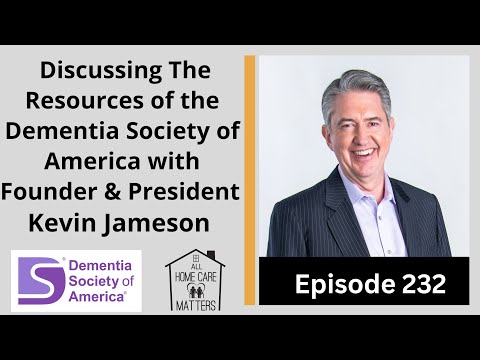 Discussing The Resources of the Dementia Society of American with Founder, Kevin JamesonHighlights tools and resources that help caregivers create meaningful routines and connections.
- When You Want to Walk Away From Dementia Caregiving (But Can’t)Offers strategies for caregivers to find their own purpose and avoid burnout while supporting their loved one.
Background
Why Purpose Matters in Dementia
People with dementia often spend long periods waiting, waiting for meals, waiting for help, waiting for something to happen. This waiting can make them feel broken, like they don't belong, and that no one listens. Depression can set in, and they may feel 'tiny' and lost. Purpose is not a luxury; it is a basic human need. When a person feels valued and able to contribute, their mood lifts, they become more engaged, and challenging behaviors often decrease. Your job is to find ways to make them feel important and needed, not just cared for.
The Shift from 'Helping Them' to 'They Help You'
A powerful mindset shift is to move from always helping your loved one to finding ways they can help you. This reverses the usual dynamic of caregiving, where they are the receiver and you are the giver. When you ask for their help, even with a simple task, you are telling them, 'You matter. Your abilities matter. I need you.' This gives them power and makes them feel important. People with dementia often do not feel valued, so putting value and importance on an activity can be deeply successful and bring them genuine joy.
Dementia Progresses: So Your Approach Must Adapt
What worked last month may not work today. Dementia is a progressive disease, and skills that were present before may now be lost. However, the reverse is also true: something that did not work in the past may suddenly start working now. For example, a person who could no longer fold laundry six months ago might now be able to sort socks or match pairs. Be willing to try again. The goal is not to force an activity, but to find the 'just right' challenge, something that uses their remaining abilities without causing frustration.
Practical tools
5
The 'I Need Your Help' Script
Use these phrases as requests, not commands: 'I could really use your help with something.' 'I need your opinion on this.' 'Can you show me how you used to do this?' 'I'm stuck, can you help me figure this out?'
The 'Job Station' Setup
A dedicated table with a tray holding a simple, repetitive task: socks to match, napkins to fold, large beads to string, or plastic pipes to connect. Change the task weekly.
The Plant Care Ritual
Place a hardy, non-toxic plant (pothos, spider plant) in a visible spot. At the same time daily, say 'Time to water our plant, can you help?' and hand them a small watering can.
The 'Tell Me a Story' Prompt Card
Write 5–10 open-ended questions on an index card, 'What was your favorite job?' 'Tell me about your first car.' Keep the card in your pocket for connection moments.
The Legacy Recording Kit
Use your phone's voice memo app to capture a poem, song lyric, or story they share. Say 'I'd love to hear you read this for a recording,' then play it back, it tells them their voice matters.
Different situations
Early-stage Alzheimer's or dementia
Your loved one can still handle multi-step tasks. Ask them to help plan a meal, sort bills, or organize a photo album. They may enjoy writing in a journal or keeping a calendar of appointments. Use their remaining executive function to give them real responsibility, like watering plants or feeding a pet.
Middle-stage dementia (including Lewy body and vascular dementia)
Break tasks into one or two steps. Avoid anything that requires sequencing or memory. Focus on sensory activities: sorting objects by color, texture, or size. For Lewy body dementia, be aware of visual hallucinations, avoid tasks that might be confusing or frightening. For vascular dementia, watch for fatigue and stop before they become overwhelmed.
Late-stage dementia
Purpose becomes about sensory comfort and connection. Hold their hand while you describe a memory. Play familiar music and sway together. Offer a soft cloth to hold or a familiar object to touch. Your presence is their purpose. Say, 'I'm so glad you're here with me.' Your calm, loving attention is enough.
Spouse vs. adult child caregiver
As a spouse, you may need to redefine your relationship. Your partner can no longer fulfill their previous roles, but love can find new expressions. Hold hands during a favorite song, brush their hair, or look at wedding photos together. As an adult child, you can honor their role as parent by asking for their 'advice' or 'opinion' on simple matters, preserving their dignity.
Lewy body dementia specifically
Be aware of fluctuating cognition and visual hallucinations. Avoid tasks that require fine motor skills if they are having a 'bad' day. Use music and rhythm, they often respond well to singing or clapping. Do not argue about hallucinations; instead, validate their feelings and redirect to a simple, grounding activity like holding a familiar object.
Common questions
3
Who benefits from acts of kindness, and how does it support caregiver well-being?
Both you and your loved one benefit from acts of kindness, when you ask them to help you fold a towel or sort socks, they feel valued, and you get a moment of calm connection that lifts your own spirits.
How can I help a person with dementia maintain quality of life?
Focus on one small, doable task they can still manage, like wiping the table after a meal or watering a plant, and thank them warmly for the effort, this preserves their dignity and keeps their day meaningful.
How can I give a person with dementia a sense of purpose and commitment to their day?
Give them a simple daily 'job' they can count on, such as setting out napkins for dinner or checking the mail, and say 'I really need your help with this' to turn an ordinary moment into a source of commitment and pride.
For the doctor
4
- If your loved one becomes agitated or aggressive when asked to help, discuss with their doctor whether a medication adjustment or a different behavioral approach is needed.
- If they show signs of depression (persistent sadness, withdrawal, loss of appetite) despite engagement efforts, ask their clinician about depression screening and treatment options.
- If they have difficulty swallowing or are at risk of choking, discuss safe activities that do not involve small objects or anything that could be put in the mouth.
- If they have a history of falls, ask about safe positioning and whether certain activities (like standing to water a plant) need modification.