Step by step
What not to do
- Don't expect to 'get over it' quickly or suppress emotions, unprocessed grief tends to resurface as anxiety, physical illness, or depression.
- Don't compare your grief or recovery timeline to anyone else's; comparison only layers guilt onto an already heavy season.
- Don't isolate yourself believing no one could understand, reach out to at least one trusted person or a small online group each week.
- Don't rush into a new all-consuming caregiving role, full-time job, or demanding project before you have focused on your own healing for several months; taking on too much too soon leads straight back to burnout.
- Don't neglect your physical health while focusing only on emotional healing, skipping check-ups, sleep, or meals slows recovery.
- Don't try to erase your caregiving identity; weave its strengths into who you are becoming.
- Don't try to fill the void with constant busyness, balance activity with quiet processing time.
- Don't pack away every photo, memento, or belonging to avoid pain; keeping a few meaningful items visible helps the loss feel real.
- Don't overlook practical help with meals, errands, and household tasks, grief is physically exhausting, and accepting help is self-care, not weakness.
Key points
- Your grief after caregiving is unique, you mourn both your loved one and the loss of your caregiver identity, and it is messy, not linear.
- Your identity was real and important, but it is not all of who you are; it is being reshaped, not erased.
- Rebuilding happens in tiny steps, one hobby, one call, one walk, over months and sometimes years, never overnight.
- Connect with other former caregivers who genuinely understand; isolation makes grief harder, community makes it bearable.
- Relief, joy, sadness, and guilt can coexist, all of these feelings are normal and valid.
- Your caregiving skills, patience, advocacy, resilience, organization, crisis management, are strengths you can carry into a new chapter.
- Self-care is essential, not selfish: prioritize sleep, nutrition, and gentle movement.
- It is okay to not have all the answers; give yourself permission to rest and recover.
Videos
 An Interview with Denise Brown the Founder at The Caregiving Years AcademyDenise Brown is a leading voice on the transition after caregiving. This interview offers deep insight into the emotional journey of beginning again and the importance of community for former caregivers.
 Quick Tips: When the Caregiving EndsA concise, practical video that gives immediate actionable advice for the first days and weeks after your caregiving role ends.
 How to Rebuild Life After CaregivingThis video provides a step-by-step framework for rebuilding your life, focusing on self-care, reconnecting with passions, and finding new purpose.
 Ambiguous Loss in a Time of Pandemic with Pauline BossPauline Boss is the expert on ambiguous loss, which is central to the dementia caregiver experience. This video helps you understand why your grief may feel unresolved and how to live with it.
8 more videos
 149. Caregiver Tips: How To Prioritize Dementia Caregiver WellnessWhile focused on wellness during caregiving, this video offers strategies that are equally valuable for the post-caregiving phase, especially around setting boundaries and self-compassion.
 3 Steps to Get Someone with Dementia to Stop Refusing CareThough this video is about active caregiving, understanding these techniques can help you process the challenges you faced and give you language to share your experience with others.
 How Do You Grieve A Loved One's Identity Lost To Dementia? - Dementia Help HubExplains ambiguous loss and how to navigate the complex grief of losing a loved one's identity to dementia.
 How Can Dementia Caregivers Maintain Their Personal Identity? - Dementia Help HubOffers strategies for balancing caregiving with your own identity, which is foundational for rebuilding after caregiving ends.
 Dementia and Ambiguous Loss with Dr. Natalee Oliver, DSW April 20 23Dr. Oliver discusses the unique grief of ambiguous loss and how to find meaning and new hope after caregiving.
 Conscious Caregiving with L & L 'National Resources & Seniors'This video covers national resources for caregivers, including support after caregiving ends, helping you find practical help.
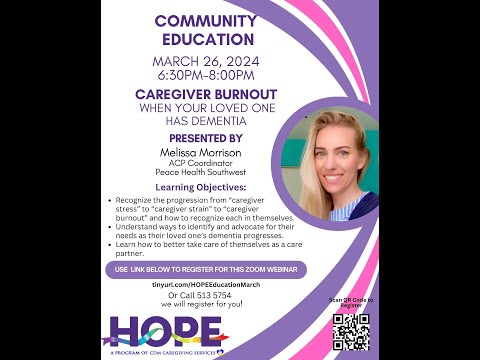 Caregiver Burnout when your Loved One has DementiaUnderstanding burnout is key to recovery. This video explains the signs and how to heal, which is essential for post-caregiving life.
 The Long Goodbye - Anticipatory Grieving when your Loved One has DementiaThis video helps you understand the anticipatory grief you may have experienced during dementia caregiving, which is a key part of the grief you feel now.
Background
Understanding the situation
Caregiving often becomes an all-consuming part of who you are. For months or years your days were organized around appointments, tasks, and constant vigilance, and you likely set aside your job, friendships, hobbies, and your own health. When that role suddenly stops, the silence can feel jarring, even the moment medical equipment is removed from the home can feel harsh and unacknowledged. What follows is layered grief: you mourn your loved one, but also the role that gave your days structure and meaning, and the dreams, trips, and relationships that faded. For dementia caregivers this is intensified by ambiguous loss and anticipatory grief, you may have grieved the person you knew long before their physical death, so the finality brings a strange mix of relief, guilt, sadness, and numbness all at once. Grief does not move through neat stages; the old five-stages idea has been replaced by the understanding that grief is unpredictable and is something we learn to live with rather than 'get over.' Support is often plentiful during caregiving but thin afterward, which is why connecting with other former caregivers who truly understand is so powerful. Most important: your identity is not erased, only reshaped. The patience, resilience, advocacy, and problem-solving you developed are still yours. If you survived being a caregiver, you can rebuild your life.
Practical tools
15
Before and After Journal (three-page division)
Divide a journal into three pages:
Revisit it as you grow.
Grief Ritual Candle (daily practice)
Each evening, light a candle for five to ten minutes. Sit in silence, say a prayer, or speak aloud one thing you grieve and one thing you are grateful for. Blow it out to close the moment and mark the day's grief as acknowledged.
Strengths You Carried Inventory
Set a timer for ten minutes and list every skill and quality you showed during caregiving, patience, advocacy, resilience, navigating healthcare and finances, multitasking. Keep it as concrete proof that you are not starting from scratch.
After Caregiving Resource List
Make a list of
Keep it on your phone or fridge so help is one tap away.
'Before Caregiving' List
Write 'Before I was a caregiver, I enjoyed…' and list everything you can think of. Circle one item to reconnect with this week, even for just fifteen minutes.
One Small Thing Challenge (daily or weekly)
Each day, or each Sunday for the week ahead, choose one tiny action just for you: cook a favorite meal, call a friend, sit in the sun, take a ten-minute walk, or try a new route. Write it on a sticky note for your mirror or fridge to build momentum.
'After Caregiving' Evening Journal Prompt
Each evening answer three questions:
This shifts your mind from survival mode toward growth.
Daybook Journaling Practice (holding both emotions)
Each morning, write one small thing you did or will do just for you. Each evening, write one thing you are grateful for from your caregiving journey and one thing you are grieving today, so you learn to hold both at once.
7 more tools
Grief Letter Practice
Write a letter to your loved one, your parent, or your former caregiver self, expressing whatever you feel, gratitude, anger, relief, love, the things you never got to say. You do not send it; the point is to externalize hard-to-speak emotions.
Caregiver Resume / Caregiver-to-Career Strengths Translator
Map each caregiving skill (medical knowledge, advocacy, crisis management, budgeting, complex scheduling, multitasking, negotiation, empathy) into resume and volunteer-application language, so you can clearly name your value and guide your next steps.
Weekly Connection Calendar
Set a recurring weekly reminder to reach out to one person, a former-caregiver friend, neighbor, or old friend, using a simple opener like 'I was thinking of you' to rebuild your social world.
Warm Outreach Scripts
Keep ready-to-use phrases for reconnection: for old friends, 'I am thinking of you and would love to catch up'; for deeper talks when you are ready, 'I am struggling and I do not need you to fix it, just listen.'
Permission Slip Card
Write yourself a permission slip such as 'I give myself permission to feel relieved, to cry in the grocery store, or to say no,' and keep it in your wallet or taped to your mirror as a daily reminder that your feelings are valid.
One Call Support Card
Write down the names and numbers of three people who will listen without trying to fix you. When you feel overwhelmed, call the first person before concluding you have no one to turn to.
Memory Box
Gather a few meaningful items from the caregiving years, a hospital bracelet, a favorite photo, a small object your loved one cherished, into a small box you can open when you want to honor the journey without being overwhelmed.
Different situations
After the death of a loved one with dementia: Your grief may be complicated by years of anticipatory and ambiguous loss; relief and guilt can coexist with deep sadness. The void may be especially stark because you provided constant supervision. Connect with others who understand the 'long goodbye,' consider therapy addressing anticipatory grief, and create a ritual (planting a tree, writing a letter) to honor the loss and find meaning.
When your loved one moved to a facility (still living): This is a 'living loss' that can bring guilt, relief, and a sense of being 'in between.' Redefine your role from daily caregiver to visitor and advocate, and build a relationship that is no longer about care tasks. Give yourself permission to reclaim your time and identity without guilt; you may grieve the lost caregiving identity even while still visiting.
For a spouse or partner caregiver: Your identity was intertwined with the marriage, so you may feel you lost your partner twice, once to the disease and once to death, plus a deep loneliness and lost shared future. Join a widows/widowers bereavement group alongside a caregiver group, mourn the marriage you had while honoring the love that remains, allow love and anger to coexist, and take things very slowly before new activities or dating.
For an adult child caregiver: You may have put career, relationships, independence, or your own family on hold, and feel a mix of relief and guilt. Reconnect with siblings, partner, and children; update your resume and network for re-entry; and, if you moved back home, consider gradual steps like roommates. Volunteering that honors your parent's memory, without overwhelming you, can restore purpose.
For a long-term caregiver (10+ years): The transition can feel like a second retirement, with your whole adult life defined by the role. Start with very small steps, a new hobby, a class, a part-time volunteer role, and be patient; full reacclimation may take years. A therapist or coach who specializes in caregiver transitions can help.
For Lewy body or frontotemporal dementia caregivers: Dramatic personality changes mean you may have lost the person you knew long before physical death, intensifying grief. Seek diagnosis-specific support groups; your grief is valid and deserves extra compassion.
For a caregiver who is also a faith-community member: Your church or congregation can be a powerful support. Ask about a caregiver or 're-entry' group, and reclaim your identity by volunteering in a non-caregiving ministry such as the choir, greeting team, or administration.
For a caregiver who has early-stage dementia themselves: If your caregiving ended so you could focus on your own health, this is a profound loss. Seek a support group for people living with dementia (such as Alzheimer's Association programs), focus on activities within your current abilities, and accept help; your identity is not defined by your diagnosis or former role.
On a tight budget or with limited services: Lean on free resources: public library programs, free online support groups on Facebook or Zoom, community-center events, and nature walks. Small, consistent actions matter far more than expensive programs.
Common questions
6
The void after caregiving is normal, name what you are grieving (your loved one and the role itself) rather than expecting yourself to simply 'move on.'
Begin with one fifteen-minute act of reconnection this week; momentum is built from tiny steps, not grand plans.
Choose former-caregiver communities over general grief groups when you can, people who lived the same all-consuming role understand the unique weight you carried.
Let relief and joy in without guilt; feeling alive again honors both your loved one and your own resilience.
Keep a few meaningful mementos visible and accept practical help, grief is physically exhausting and integration takes time.
Watch for grief that gets stuck or turns into depression, anxiety, or physical illness, and reach out to a clinician or therapist early.
For the doctor
2
- Tell your doctor or a mental health professional if you have persistent sadness, emptiness, hopelessness, anxiety, intense guilt or worthlessness, or any thoughts of self-harm, caregiver grief and burnout can develop into clinical depression that needs treatment
- seek help immediately for thoughts of self-harm. If sleep problems, appetite loss, or physical symptoms like headaches, fatigue, or digestive issues persist for more than a few weeks, ask whether they are related to grief and what safe, non-medication approaches you can try first. If you have neglected your own health for years, schedule a comprehensive physical and catch up on screenings such as blood pressure, cholesterol, diabetes, and cancer screenings, and discuss any new or worsening symptoms. If you have a history of depression or anxiety, ask how best to manage it during this transition. Always check with your doctor before starting a new exercise regimen, medication, or supplement, and ask for a referral to a therapist who specializes in grief, complicated grief, or post-caregiving adjustment.