
Step by step
What not to do
- Do not remind them of their diagnosis or say 'You used to be able to do this.'
- Do not expect them to initiate or plan the activity; set out materials and invite gently.
- Do not choose a role requiring complex social interaction or quick decisions (e.g., cash register, greeting strangers); stick to behind-the-scenes tasks like sorting, packing, or watering.
- Do not force the activity on a bad day; FTD symptoms fluctuate and pushing can harm future attempts.
- Do not neglect your own wellbeing; arrange respite through a friend, senior center, or adult day program.
Key points
- Volunteering restores a sense of purpose and value, which is crucial for people with FTD who often feel unimportant.
- Simplify tasks to match current abilities, one or two steps, with clear visual cues and encouragement.
- Use the 'Can you help me?' approach to invite participation without pressure or reminders of their diagnosis.
- Choose low-stress, familiar environments and keep sessions short (10-30 minutes).
- Incorporate music and rhythm to boost engagement and reduce anxiety.
- Take care of yourself as a caregiver, seek respite and support groups to avoid burnout.
Videos
 How To Entertain Someone With Dementia At Home?Offers practical ideas for engaging activities at home, which can be adapted for volunteering.
 BOOK REVIEW of 'The 36 Hour Day' ~ Inside A Dementia Pro's Resource GuideProvides a deeper understanding of dementia care challenges and strategies, including purpose-driven activities.
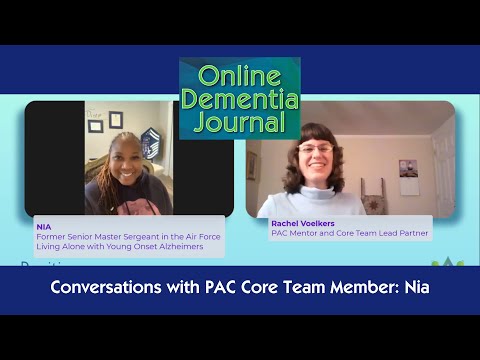 Online Dementia Journal | Conversations with PAC Core Team Members: NiaFeatures expert insights on person-centered care and how to find meaningful roles for people with dementia.
 How to Provide Support When Physical Resistance Presents | Teepa's ClipsTeaches how to handle resistance during activities, which is common in FTD, with positive techniques.
2 more videos

Background
Why Purpose Matters in Frontotemporal Dementia
People with dementia often spend a lot of time waiting, which can lead to feelings of being unimportant or invisible. When a person with FTD loses the ability to do familiar tasks, they may feel a loss of identity and purpose. Research and expert advice emphasize that giving someone a role where they can help, even in a small way, restores a sense of value and belonging. As one expert notes, 'Our job is to help the person with dementia have some sort of meaning in their lives.' This is especially true for FTD, where changes in behavior and language can make traditional volunteering challenging, but the desire to contribute remains strong.
The Unique Challenges of FTD and Volunteering
Frontotemporal dementia often affects personality, social judgment, and language before memory. This means your loved one might struggle with tasks that require complex planning, following multi-step instructions, or interacting with strangers in unpredictable settings. However, they may still have strong physical abilities and a desire to be active. The key is to find volunteer activities that match their current cognitive reserves, the mental energy they have available each day. As one source explains, 'A person living with dementia is working... they are using their cognitive reserves to present as well as possible.' So volunteering must be designed to be manageable, not draining.
How Volunteering Brings Joy and Reduces Anxiety
When a person with FTD engages in purposeful activity, it can calm anxiety, reduce agitation, and improve mood. The act of helping others, whether sorting items, packing lunches, or watering plants, triggers positive emotions and a sense of accomplishment. One caregiver shared that after including her loved one in a simple task, 'her client was so much more calm, more relaxed, and even thanked her at the end for allowing her to help.' Volunteering also provides structure to the day, which is especially beneficial for people with FTD who may feel lost without a routine. It shifts the focus from what they can't do to what they can still contribute.
Practical tools
7
The 'Can You Help Me?' Script
A pressure-free invitation: 'Can you help me sort these magazines?' or 'Can you help me water the plants?' Framing as a favor gives purpose without testing or correcting.
Pre-Prepared Activity Bins
Small bins with materials for different tasks (e.g., mismatched socks for sorting, plastic pipes for building, coloring pages). Label with simple pictures for quick choice and rotation.
Visual Step Cards
Laminated picture cards breaking a task into 1-2 steps (e.g., 'Put sandwich in bag,' 'Add apple'). Place in order to reduce confusion and support independence without verbal prompting.
Music Playlist for Engagement
A playlist of favorite songs from their younger years, played softly during activities. Add simple rhythm instruments (bells, shakers) to encourage participation.
Community Volunteer Options Checklist
A short list of low-stress roles: sorting donations behind the scenes, watering plants, folding towels at a shelter, stuffing envelopes, or making simple crafts. Call ahead to explain the situation.
Daily Anchor Ritual
A consistent daily time for a short activity (e.g., 10 a.m. after breakfast), using a visual timer to show start and end. Provides structure and a gentle cue for initiation.
Redirection & Break Kit
A small basket with sensory comfort items (soft fabric, smooth stone, favorite photo) and alternate activities (photo album, simple puzzle). Offers a quick shift instead of pushing through frustration.
Different situations
Frontotemporal Dementia (Behavioral Variant)
Focus on tasks that don't require complex social judgment or impulse control. Avoid roles with unpredictable interactions. Use simple, repetitive tasks like sorting or folding. Be prepared for sudden mood changes and have a backup plan. Keep sessions very short (10-15 minutes) and end on a positive note.
Frontotemporal Dementia (Primary Progressive Aphasia)
Since language is affected, use visual cues and demonstrations instead of verbal instructions. Point to what you want them to do. Avoid tasks that require reading or writing. Non-verbal activities like gardening, sorting objects by color, or playing music work well. Use gestures and a calm tone.
Late-Stage FTD
Simplify tasks to the most basic level. For example, hand them one item at a time and guide their hand. Focus on sensory activities like touching soft fabrics or smelling flowers. The goal is comfort and connection, not productivity. Use music and gentle touch. Even a few minutes of engagement can bring joy.
Spouse vs. Adult Child Caregiver
Spouses may find it harder to shift from partner to 'activity director.' It can help to frame volunteering as 'we're doing this together.' Adult children may need to set boundaries to avoid burnout. Both should seek support groups or respite care. One expert notes, 'Caregivers are often hesitant to pursue outside help, but it's necessary for your well-being.'
In a Facility or Nursing Home
Work with staff to identify volunteer roles within the facility, like watering plants in the common area, folding napkins for the dining room, or helping set tables. Many facilities have community gardens or pet therapy programs. Ask about Montessori-based activities that are designed for dementia. You can also bring in simple tasks from home.
For the doctor
4
- Ask your doctor or neurologist: 'Are there any safety concerns with my loved one participating in volunteer activities, given their FTD diagnosis?'
- Discuss: 'What signs of overstimulation or fatigue should I watch for during activities?'
- Inquire: 'Are there any medications that might affect their ability to participate safely in physical tasks like gardening or packing?'
- Ask: 'How can I best support their emotional well-being through purposeful activities without causing stress?'