Step by step
What not to do
- Do not assume they are fine just because they ate a good meal during your visit, check the fridge and pantry for expired or untouched food and ask what they ate yesterday.
- Do not take away all their favorite snacks or sweets without a plan; hiding them completely can cause distress, so keep a few treats in the usual spot and move the rest to a hidden location.
- Do not force-feed or nag them to eat, because pressure can create a power struggle, stay calm, try again later with a different food or a small portion.
- Do not ignore pain or discomfort as a possible cause of food refusal, if your loved one suddenly rejects foods they used to enjoy, ask their doctor to evaluate for arthritis, dental issues, or medication side effects.
- Do not leave vitamins, supplements, or seasonings out on the kitchen table where they can be mistaken for food, store them out of sight and reach.
- Do not let them skip meals simply because they say they are not hungry; loss of hunger cues is a symptom of dementia, so offer food on a schedule rather than waiting for a request.
Key points
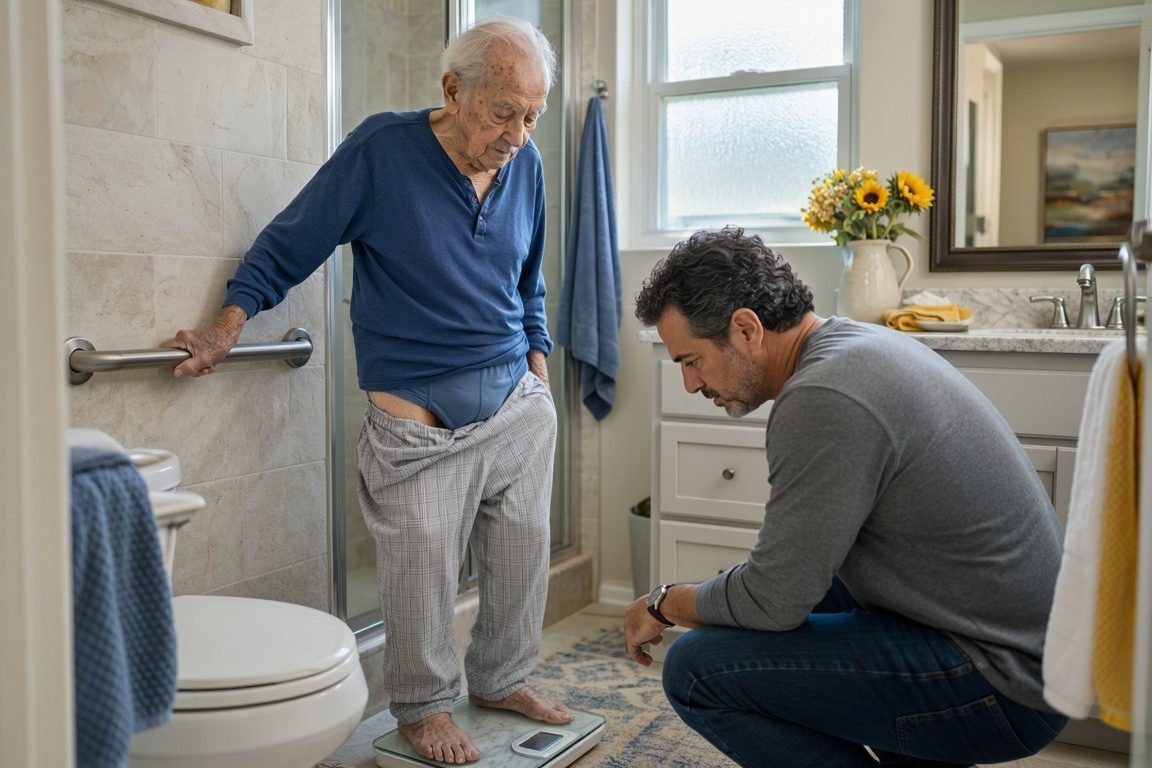
- Weigh your loved one weekly and check how their clothes fit; gradual weight loss is a key early sign of malnutrition.
- Loss of smell and hunger cues are common in dementia; don’t rely on them to tell you they’re hungry.
- Offer small, frequent meals and finger foods to make eating easier and more appealing.
- Create a calm, distraction-free eating environment with brightly colored plates.
- Check for hidden causes like pain, dental problems, or medication side effects that reduce appetite.
- Involve their healthcare team early; a dietitian or speech therapist can make a huge difference.
Videos
 How to Prevent and Detect Malnutrition in the Elderly (Mini-Series Part 3)This video directly covers the topic of detecting and preventing malnutrition, including weight monitoring and observing habits.
 My Elderly Mother Refuses to Eat and Other Caregiver FrustrationsAddresses the common challenge of food refusal and offers practical strategies for caregivers.
 Dementia Food Secrets: Expert Q&A with Molly Robinson,RDProvides expert advice on nutrition for dementia, including tips on meal planning and managing eating difficulties.
 What to do if your loved one with dementia is eating WAY TOO MANY SWEETS!Offers a compassionate approach to managing overeating of sweets without causing distress or power struggles.
2 more videos
 Caregiving: Pros and Cons of Putting Elderly Parents Into a Nursing HomeHelps caregivers weigh options when home care becomes challenging, including nutrition concerns in facilities.
 When Should I Get Help for My Loved One with Dementia?Guides caregivers on recognizing when professional help is needed, including for worsening malnutrition.
Background
Why Malnutrition Happens in Dementia and Aging
Malnutrition in older adults is rarely just about forgetting to eat. It often involves a mix of physical, sensory, and social changes. For someone with dementia, the brain may no longer register hunger or thirst cues properly, so they simply don’t feel the urge to eat or drink. They might also lose their sense of smell, which is responsible for about 90 percent of our ability to taste food. When food smells like nothing, it tastes like nothing, and appetite disappears. This is why your loved one might push away a plate that used to be their favorite meal.
Hidden Contributors: Pain, Medications, and Environment
Physical issues like arthritis pain, sore gums, or trouble swallowing can make eating uncomfortable or even painful. Medications for other conditions can suppress appetite or interfere with nutrient absorption. Dietary restrictions for diabetes, heart disease, or kidney issues might also limit what they can eat, making meals less appealing. Social isolation is another big factor; eating alone can feel lonely and joyless, so they may skip meals entirely. In early to middle stages, your loved one might also forget to buy groceries or lose the ability to plan and prepare meals, even if they still have the physical ability to eat.
The Gradual Decline That’s Easy to Miss
Weight loss in dementia can be very gradual, making it hard to notice, especially if you don’t live with them or only visit occasionally. Your loved one might ‘rally’ on the days you visit, eating a good meal and seeming fine, while the rest of the week they eat very little. Couples may also cover for each other, not wanting to worry family. That’s why it’s so important to look beyond the surface: check the fridge, note how their clothes fit, and ask gentle questions. Malnutrition isn’t always visible as extreme thinness; it can show up as weakness, frequent infections, or a general lack of energy.
Practical tools
5
Weekly Weight and Clothing Log
Keep a simple notebook or phone note to record weight every Monday morning, and take a monthly photo of your loved one in the same outfit for comparison, if a belt notch tightens or pants start sagging, that's your cue to act.
Finger Food Menu Template
Write a list of easy finger foods your loved one enjoys, cheese cubes, turkey roll-ups, banana slices, hard-boiled eggs, small meatballs, cooked carrot sticks, mini muffins, and post it on the fridge so anyone helping can quickly prepare a plate.
Sip and Snack Schedule
Set phone alarms or a simple kitchen timer for every two hours; when it goes off, offer a small cup of fluid (water, juice, or soup) and a few bites of a snack, building a routine that works around their lost hunger cues.
Bright Contrast Plate Set
Use solid-colored plates in red, blue, or bright yellow that stand out against most foods to make the meal more visible and appealing, avoid white plates on white tablecloths, which can make food visually disappear.
Check the Fridge Protocol
Once a week, open the fridge, freezer, and pantry together: look for
and quietly note what has been eaten or ignored.
Different situations
Early-stage dementia (still living alone or with minimal help)
Focus on setting up a meal delivery service (like Meals on Wheels) or prepping freezer meals together. Encourage them to keep a food diary or use a pill organizer with a meal reminder. Check that they are actually buying groceries and not just eating crackers and tea.
Middle-stage dementia (needs more supervision)
Move to finger foods and small frequent meals. You may need to feed them or at least sit with them to keep them focused. Use a brightly colored plate and reduce table clutter. Watch for swallowing difficulties and offer softer foods like mashed potatoes, yogurt, and smoothies. If you notice any coughing or choking, stop and consult their doctor or a speech-language pathologist.
Lewy body dementia or Parkinson’s dementia
These conditions often cause swallowing problems and rigidity. Work with a speech therapist for safe swallowing techniques. Offer thickened liquids and soft, moist foods only after professional assessment. Be extra vigilant about pain from stiffness and offer warm, easy-to-chew meals.
Adult child caregiver living far away
Arrange for a neighbor or hired caregiver to check in during meal times. Use a video call during dinner to eat together virtually. Send pre-portioned frozen meals via a delivery service. Ask their doctor to include a nutrition screening at every visit.
Spouse caregiver living together
You are likely the primary cook and observer. Make meals a social event: sit together, talk, and eat the same food. Watch for your spouse hiding food or forgetting they ate. If they refuse to eat, try offering a small dessert first to stimulate appetite, then the main course.
For the doctor
5
- Ask the doctor about a referral to a registered dietitian for a personalized meal plan, especially if your loved one has diabetes, heart disease, or kidney issues.
- Discuss any new or worsening swallowing difficulties (dysphagia) with a speech-language pathologist to determine safe food textures and liquid thickness. Ask: 'Should we try thicker liquids or popsicles, and if so, which ones are safe?'
- If your loved one is on multiple medications, ask the pharmacist or doctor if any of them can cause appetite loss, nausea, or taste changes.
- If weight loss continues despite your efforts, ask about nutritional supplements like high-calorie shakes or puddings, and whether they are appropriate for your loved one’s condition.
- If your loved one has pain that seems to affect eating (e.g., from arthritis or dental issues), ask about safe pain management options that won’t worsen confusion or fall risk.