
Step by step
What not to do
- Don't assume living with someone prevents loneliness. Emotional loneliness can occur with a spouse, especially when dementia limits engagement.
- Don't dismiss loneliness as normal aging, it is a modifiable risk factor for cognitive and physical decline.
- Don't push social activities without addressing underlying fears or barriers (e.g., fear of falling). Treat the barrier first.
- Don't forget to ask about suicidal thoughts, especially in older men.
- Don't assume isolated patients don't want connection. Ask: 'Would you like more contact with people?'
Key points
- Loneliness and social isolation are as harmful as smoking or obesity, they increase risk of dementia, heart disease, stroke, depression, and early death.
- Screen every older adult with a simple question: 'Do you often feel lonely or isolated?' Many do not realize it until asked.
- Living alone is the biggest risk factor, but emotional loneliness can occur even when living with others.
- Address physical barriers (hearing, vision, mobility, fear of falling) before pushing social activities.
- For caregivers, especially spouses, assess their own loneliness and encourage support groups and respite care.
- Follow up at every visit, celebrate small wins and adjust the plan as needed.
Videos
 Seniors and Isolation (Depression and Loneliness Tips)Provides practical tips for seniors and families to combat loneliness, including simple conversation starters and community resources.
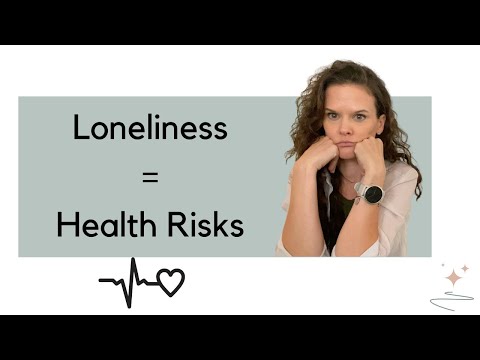 Avoid Loneliness in Old Age to Reduce Health RisksExplains the health risks of loneliness in clear language, reinforcing the message that social connection is medicine.
 Dementia and Depression in ElderlyCovers the link between dementia and depression, including red flags and when to seek help.
 Dementia Care Partner Talk Show Podcast Ep. 57: Loneliness and Brain ChangeTeepa Snow discusses how loneliness can speed up brain changes in dementia, offering insights for both patients and caregivers.
2 more videos
 How To Prevent Alzheimers DiseaseHighlights social engagement as a key prevention strategy, which aligns with the message that connection protects the brain.
 Why Might A Person With Dementia Become Depressed?Explores causes of depression in dementia, including loneliness, and offers compassionate care strategies.
Background
What is loneliness and social isolation, and why do they matter?
Loneliness and social isolation are related but distinct. Social isolation is an objective lack of social contacts or interactions, for example, an older adult who lives alone and rarely sees others. Loneliness is a subjective feeling of being alone or disconnected, even when surrounded by people. Both are common: about one in four community-dwelling older adults reports social isolation, and 22% to 35% feel lonely. Living alone is the biggest risk factor, but other triggers include the death of a spouse, children moving away, a change in living environment, the loss of a friend network, fear of becoming a burden, fear of injury when going out, and difficulty communicating. These factors can create a downward spiral where an older adult withdraws further, missing out on the brain exercise and emotional nourishment that social contact provides.
The serious health risks: More than just sadness
The health impacts are profound and well-documented. Social isolation is associated with a 50% increased risk of dementia, a 29% increased risk of heart disease, and a 32% increased risk of stroke. Loneliness among heart failure patients is linked to a nearly four times increased risk of death, a 68% increased risk of hospitalization, and a 57% increased risk of emergency department visits. Beyond these, loneliness raises rates of depression, anxiety, and suicide. It also contributes to physical inactivity, obesity, and poor sleep. For caregivers, especially spouses, the burden can be even heavier, they may feel reluctant to ask for help, leading to increased depression and burnout. The bottom line: loneliness and isolation are not just emotional issues; they are medical emergencies in slow motion.
Why this happens: The brain and body on loneliness
When people feel lonely or isolated, their brains show changes similar to those seen in dementia. Research using PET scans, SPECT scans, and functional MRIs reveals that social deprivation can speed up brain changes that were once thought inevitable. Interacting with others is exercise for the brain, it improves cognitive flexibility, executive function, spatial skills, and memory. Without this stimulation, the brain can deteriorate faster. Additionally, loneliness triggers a stress response that raises inflammation, blood pressure, and cortisol levels, damaging the heart and blood vessels over time. For older adults with dementia, loneliness can accelerate progression, while for caregivers, the emotional strain can increase their own risk of developing dementia later.
Practical tools
3
Loneliness Screening Question
Ask: 'Do you often feel lonely or isolated from others?' If yes, follow with 'Can you tell me more?' Document response.
Risk Factor Checklist
Quick checklist:
Check any that apply.
UCLA 3-Item Loneliness Scale
Validated screen: 'How often do you feel
' Each scored 1 (hardly ever) to 3 (often). Total ≥6 suggests significant loneliness.
Different situations
Patient has dementia (any stage)
Loneliness can accelerate dementia progression. For the person with dementia, focus on maintaining familiar routines and relationships. Use simple, reassuring language. For the caregiver, assess their own loneliness, they may feel isolated even when with the patient 24/7. Encourage caregiver support groups and respite care. Discuss with a clinician before starting any new medication for depression or anxiety in the patient, as some may be inappropriate.
Patient is homebound due to chronic illness (e.g., COPD, heart failure, osteoarthritis)
Physical barriers are key. Address dyspnea, pain, and fatigue first. Suggest shorter, more frequent social interactions (e.g., 10-minute phone calls, video chats). Consider a home health aide or volunteer visitor program. For heart failure patients, loneliness increases hospitalization risk, monitor closely and discuss with a cardiologist if needed.
Patient is a spousal caregiver
Spousal caregivers are at high risk for depression, burnout, and their own health decline. They may be reluctant to ask for help. Encourage them to use community services and paid caregivers. Discuss with a clinician about screening for depression and anxiety in the caregiver. Remind them that caring for themselves is not selfish, it's essential.
Patient lives in a long-term care facility
Isolation can still occur in a facility. Advocate for the patient to have regular visits from family, volunteers, or staff. Encourage participation in group activities. If the patient has dementia, use person-centered care approaches. Discuss with the facility's social worker about loneliness interventions. For the family caregiver, they may feel guilty, reassure them that they are doing their best.
Patient is from a low-income or rural setting
Access to transportation, technology, and community resources may be limited. Explore low-cost options: telephone-based support groups, church or faith-based programs, or volunteer driver services. Discuss with a social worker about financial assistance for internet or phone services. Be creative, sometimes a simple weekly phone call from a volunteer can make a huge difference.
For the doctor
5
- If the patient has suicidal thoughts or plans, discuss with a mental health professional or emergency services immediately.
- Before prescribing any antidepressant or anti-anxiety medication for an older adult, discuss with a geriatric psychiatrist or primary care clinician to avoid potentially inappropriate medications (e.g., anticholinergics that can worsen cognition).
- If the patient has heart failure and loneliness, discuss with a cardiologist about the increased risk of hospitalization and death, and consider more frequent monitoring.
- If the patient has dementia and shows signs of depression, discuss with a neurologist or geriatrician before starting any new medication, as some antidepressants can worsen cognitive symptoms.
- If the caregiver shows signs of severe depression or burnout, discuss with a mental health professional and consider a referral to a caregiver support program.