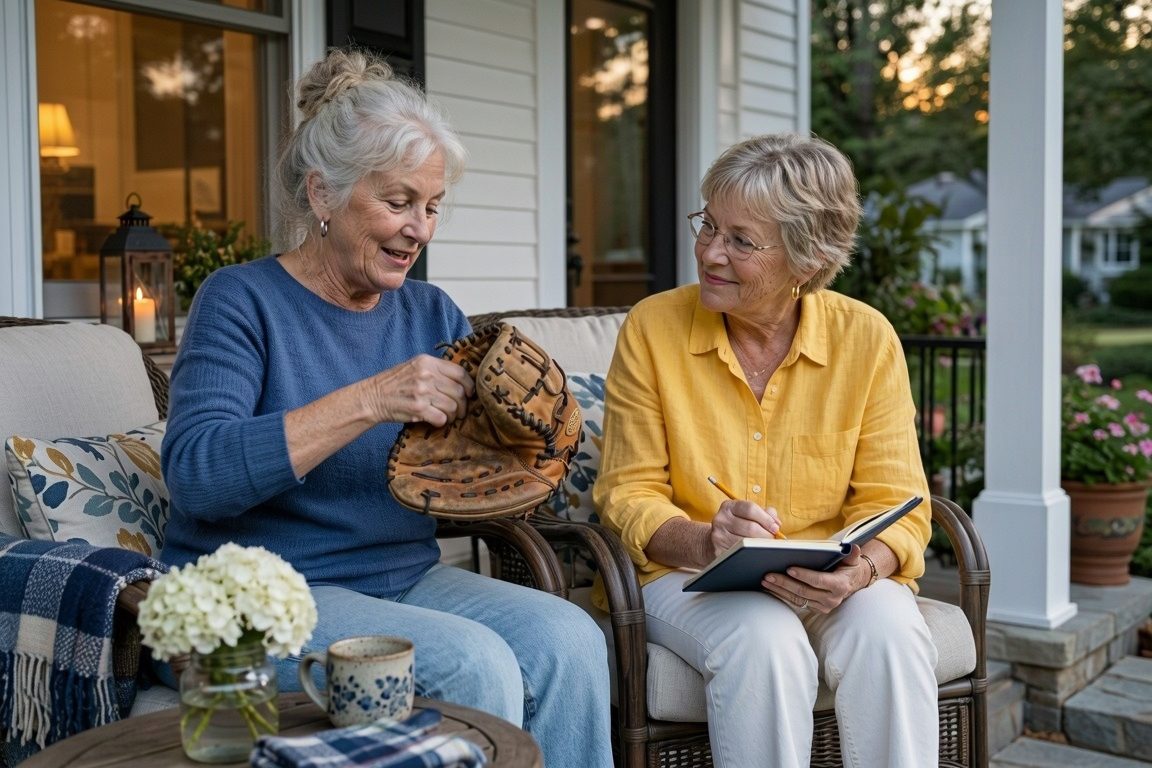
What not to do
- Do not quiz or test memory (e.g., 'Remember when we...?')
- Do not correct or contradict their version of events
- Do not pressure them to respond if they become distressed or disengaged
- Do not record without their comfort or permission in the moment
Key points
- Focus on long-ago memories (childhood, early adulthood) as these are most intact in dementia.
- Use open-ended, gentle prompts like ‘Tell me about…’ instead of ‘Do you remember?’
- Create a memory book or one-page life summary to share with caregivers and staff.
- Incorporate life history into daily care, music, activities, and comforting routines.
- Never correct or test; the goal is connection, not accuracy.
- Take care of your own emotions, grief is normal and okay.
Videos
 HOW TO Do a LIFE History on Your Person w/Dementia & WHY It MATTERS!This video provides a step-by-step guide to using the Gather Form, a free tool for collecting life history. It explains why this is the first step in managing behaviors and creating a more peaceful care environment.
 Unlocking Memories: A Guide to Capturing Life Stories for a Person with DementiaThis video offers practical tips on how to use photos and conversation to unlock memories, with a focus on early-stage dementia. It includes examples of what to say and how to handle emotional moments.
- What Remains in Stage 4 Dementia || Not ALL is LOST! The What Remains SeriesThis video reassures caregivers that even in moderate dementia, long-term memories and emotional connections remain. It helps you understand what to expect and how to adapt your approach.
 Simple dementia trick to get your loved one talking and feeling happy.This short video demonstrates a simple, effective technique to spark conversation and joy using a familiar object or topic from their past. It’s a quick win for caregivers.
2 more videos
 Anticipatory Grieving When Your Loved One has DementiaThis video addresses the emotional side of caregiving, including the grief that can come when collecting life history. It offers validation and coping strategies.
 How to prepare for the next Dementia appointmentThis video shows how to organize the life history information to share with doctors, helping them provide better, more personalized care.
Background
Why a Life History Works: The Science of Memory in Dementia
In dementia, the brain’s ability to store and retrieve recent events weakens, but memories from early childhood, adolescence, and early adulthood often remain remarkably intact. This is because those older memories are deeply encoded and connected to strong emotions. When you ask about a person’s past, their first job, their wedding day, a favorite pet, you are tapping into a part of their mind that is still accessible and meaningful. This can bring them joy, reduce anxiety, and even help with behaviors like agitation or restlessness. The goal is not to test their memory but to share a moment of connection, using their long-term memories as a bridge.
What Happens When You Collect a Life History: More Than Just Facts
When you sit down with your loved one and ask about their past, you are doing more than gathering information. You are validating their identity and their life story. For someone with dementia, who may feel lost or confused in the present, recalling a cherished memory can provide a sense of continuity and self-worth. This process also gives you, the caregiver, a deeper understanding of what brings them comfort, maybe it’s a certain song, a type of food, or a hobby they loved. You can then use these details to create a calmer, more personalized environment. For example, if they loved gardening, you might bring in a small plant or a picture of a garden. If they were a teacher, you might ask them to ‘help’ you with a simple task like sorting papers. This approach is the first step in many behavior management systems because it helps you see the person behind the diagnosis.
The Emotional Landscape: Grief, Joy, and the Caregiver’s Role
Collecting a life history can stir up emotions for both of you. Your loved one might feel a mix of happiness and sadness as they recall people and places they miss. You, as the caregiver, may experience anticipatory grief, a sense of loss for the person they used to be. It’s important to allow these feelings to surface without trying to fix them. You can simply say, ‘That sounds like a wonderful memory,’ or ‘I can see how much that meant to you.’ This is not about avoiding sadness but about honoring the full story of their life. Remember, the emotional connection is what matters most. Even if the details are fuzzy, the feeling of being heard and loved is what will stay with them.
Practical tools
3
Simple photo album or digital slideshow
5–10 clear, high-contrast photos from their childhood or young adulthood; avoid cluttered or recent images.
Short playlist of familiar music
2–3 songs from their teen or early adult years, played at a low volume without lyrics if they find them distracting.
One-page 'Life Snapshot' template
A single sheet with 5 blanks (e.g., favorite food, pet name, job, hobby, comfort item) to fill in during or after conversation.
Different situations
Early-stage dementia (mild cognitive changes)
Your loved one can still participate actively in the conversation. You can ask more detailed questions and even co-create a memory book together. They might enjoy writing down their own stories or looking through old photo albums with you. Be careful not to overwhelm them, keep sessions short and focus on positive memories. This is also a good time to discuss their preferences for future care, using the life history as a foundation.
Middle-stage dementia (moderate cognitive decline)
Your loved one may have more difficulty with recent memory but can still recall distant events. Use photos and objects as prompts. Keep questions simple and concrete: ‘Did you like this color?’ or ‘Was this your dog?’ They may repeat stories, which is fine. Focus on the emotional tone, if they seem happy, stay with that memory. Avoid asking about recent events or future plans, as this can cause confusion.
Late-stage dementia (severe cognitive decline)
Verbal communication may be limited, but the emotional connection remains. Use touch, music, and familiar scents. Play a song from their youth, hold their hand, or gently brush their hair. You can still talk to them about their life, even if they don’t respond. The tone of your voice and the warmth of your presence can be deeply comforting. A simple ‘I love you’ or ‘You are safe’ can be enough.
Spouse vs. adult child caregiver
As a spouse, you have a shared history that can be a powerful tool. You can say, ‘Remember our first date?’ or ‘Tell me about the day we got married.’ This can create a beautiful moment of connection. However, it can also be painful for you. Give yourself permission to feel grief and take breaks. As an adult child, you may not know all the details of their early life. That’s okay, ask open-ended questions and let them guide you. You might also reach out to other family members to fill in gaps. In both roles, remember that the goal is connection, not a perfect record.
If your loved one lives in a facility
Share the life history with the staff. Provide a one-page summary and a copy of the memory book. Ask them to incorporate it into daily care, for example, playing their favorite music during meals or using a comforting phrase from their past. You can also visit and do a life history session together. The staff can use the information to reduce agitation and improve their quality of life. If possible, create a small ‘life story board’ for their room with photos and key facts.
For the doctor
4
- If your loved one becomes very distressed or agitated during life history conversations, discuss with their doctor whether this could be a sign of underlying pain, depression, or another medical issue.
- If you notice a sudden change in their ability to recall long-term memories (e.g., they can no longer recognize family members in old photos), discuss this with their clinician as it may indicate a change in their condition.
- If you are using the life history to guide decisions about care preferences (e.g., end-of-life wishes), make sure to discuss these with their healthcare provider and legal advisor to ensure they are documented appropriately.
- If your loved one has a history of trauma (e.g., war, abuse), be cautious about asking questions that might trigger painful memories. Discuss with a therapist or social worker how to approach this safely.