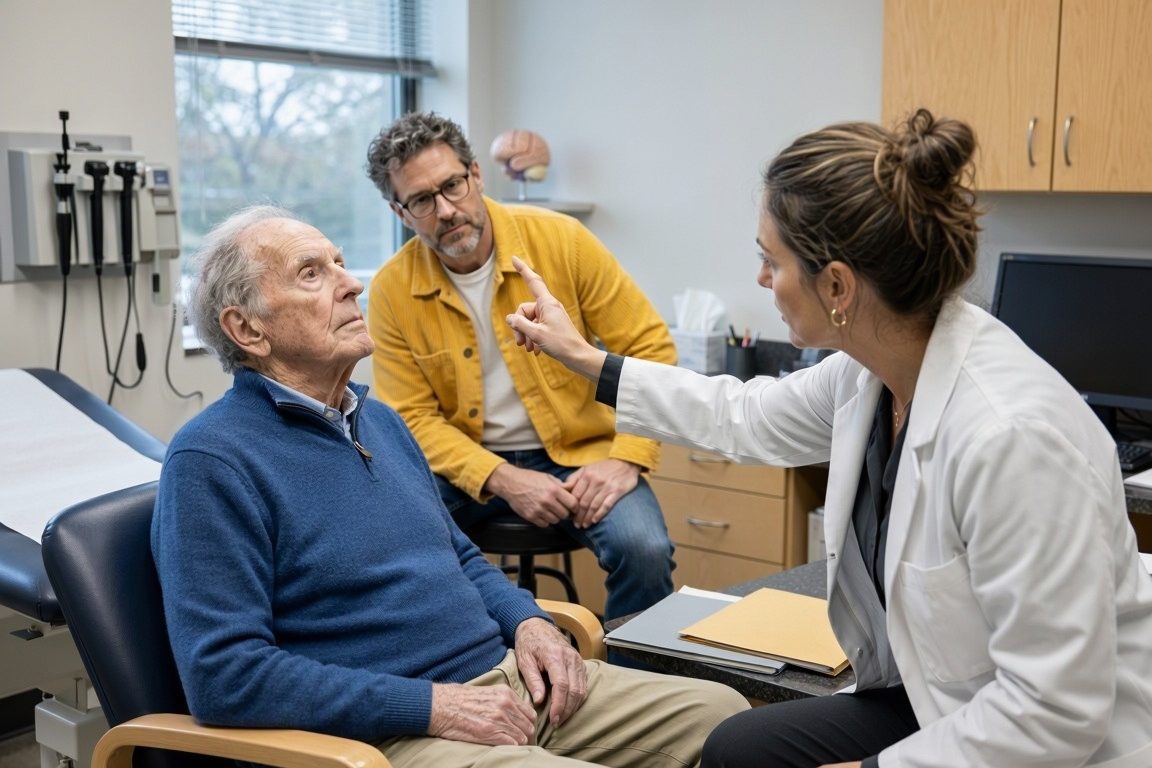
Step by step
What not to do
- Do NOT believe 'miracle cures' from online sources or social media, they are usually scams or unproven. Verify claims with trusted sources like the Alzheimer's Association.
- Do NOT stop prescribed dementia medications abruptly. They may be slowing decline, and stopping can cause rapid worsening.
- Do NOT argue or reason with your loved one when confused. Validate feelings and gently redirect instead.
- Do NOT neglect your own health, keep up with check-ups, sleep, and stress management.
- Do NOT wait for a crisis to get help. Call the Alzheimer's Association 24/7 helpline (800-272-3900) or your local Area Agency on Aging for respite, support groups, and financial assistance.
Key points
- Dementia is not one disease, it is over 200 different conditions, so a single cure is unlikely.
- Some dementia-like symptoms are reversible, always rule out treatable causes first.
- Medications can help slow symptoms for a time, but they are not cures. Do not stop them without a doctor's guidance.
- Lifestyle changes, exercise, social connection, managing blood pressure , can delay or prevent up to 40% of cases.
- Non-drug approaches like routine, validation, and redirection are powerful tools for managing daily challenges.
- You are not alone. Support groups, helplines, and respite care exist to help you. Take care of yourself, too.
Videos
 Dementia Medications ExplainedThis video explains the types of medications available, how they work, and what they can and cannot do, essential for understanding realistic treatment options.
 Why is dementia so hard to treat?This video dives into the complexity of dementia as a multi-factor condition and explains why a single pill will never be enough. It is a great companion to this article.
 An Interview with Leah Waller of DementiaTLCLeah Waller offers practical, compassionate advice for caregivers, including how to handle daily challenges and find support.
 Frontotemporal Dementia: Signs and SymptomsIf your loved one has FTD, this video helps you understand the unique symptoms and how to adapt your care approach.
2 more videos
 Alzheimer's and Dementia: 4 Myths You Need to Know (Part 2)This video busts common myths, including the idea that nothing can be done after diagnosis, a must-watch for hope and clarity.
 The Baffled Brain: Demystifying Dementia Episode 17 March 20, 2021This episode explains the science behind dementia in an accessible way, helping you understand why treatments are limited and what research is promising.
Background
Dementia Is Not One Disease: It Is a Symptom Cluster
When a doctor says 'dementia,' they are describing a group of symptoms, memory loss, trouble with language, difficulty solving problems , that interfere with daily life. But dementia itself is not a single disease. It is a syndrome caused by many different underlying conditions. Alzheimer's disease is the most common cause, but there is also vascular dementia, Lewy body dementia, frontotemporal dementia, and many others. Each of these has its own unique pattern of brain damage and its own set of triggers. As one expert put it, there are over 200 types of dementia, so finding a single cure that works for all of them is like trying to find one key that opens every lock in a giant building.
The Brain Is Incredibly Complex, and Dementia Involves Multiple Failures
Think of a headache: you take ibuprofen, and two hours later the pain is gone. That is a 'monotherapy', one pill fixes one problem. Dementia is not like that. Researchers have identified at least 36 different factors that can contribute to dementia, including things like high blood pressure, diabetes, hearing loss, social isolation, smoking, and even air pollution. Each person's dementia may be driven by a different combination of these factors. A medication can plug one hole, but it cannot fix all the others. That is why even the best drugs currently available only slow symptoms for a while , they do not stop or reverse the disease. As one neurologist explained, 'A monotherapy is not going to cure dementia.'
Some Dementia-Like Symptoms Are Actually Reversible: But They Are Often Missed
Here is a hopeful twist: not every memory problem is dementia. Some conditions that look exactly like dementia, such as a vitamin B12 deficiency, a brain tumor, depression, sleep deprivation, or a reaction to medication , can be fully reversible if caught in time. Many people avoid going to the doctor because they are afraid of a dementia diagnosis, but that fear can keep them from discovering a treatable cause. If your loved one has sudden or rapid changes in thinking, or if they are on multiple medications, always ask the doctor to rule out these reversible causes first. It is one of the most important things you can do.
Practical tools
5
Reversible Causes Checklist
Print and bring to the next appointment:
Ask: 'Could any of these be causing or worsening symptoms?'
Three-Step Redirect Script
When your loved one is upset or confused: 1) 'I hear you' (validate), 2) 'Let's...' (redirect to a simple action), 3) '...together' (offer partnership). Example: 'I hear you want to go home. Let's look at these photos together.'
Daily Brain-Healthy Routine Template
Write a simple schedule on a whiteboard: Morning, 10 min stretching/walking, healthy breakfast, simple cognitive activity (e.g., sorting coins). Afternoon , social time (phone call, visit), short rest. Evening , calming music, warm drink, consistent bedtime.
Caregiver Survival Kit
Keep a bag by the door with:
Grab it for appointments or hospital visits.
Future Planning Worksheet
A one-page organizer covering:
Complete together while your loved one can still express preferences; share copies with the doctor, attorney, and a trusted family member.
Different situations
For Lewy body dementia (LBD)
People with LBD are extremely sensitive to certain medications, especially antipsychotics, which can cause severe reactions. Always tell the doctor about the LBD diagnosis before any new drug is prescribed. Also, LBD often involves visual hallucinations, do not argue about them. Instead, say: 'I see you are worried about that. Let's sit here together.' Non-drug approaches like music therapy and gentle exercise are especially helpful.
For frontotemporal dementia (FTD)
FTD often affects behavior and language first, not memory. Your loved one may seem rude or apathetic, this is the disease, not a choice. Do not take it personally. Use very short, direct sentences. Avoid open-ended questions. For example, instead of 'What do you want for lunch?' say 'Here is a sandwich.' Routine and structure are critical. Join an FTD-specific support group for tailored advice.
For late-stage dementia
In late stages, focus shifts from slowing decline to comfort and dignity. Medications may be reduced or stopped. Prioritize pain management, hydration, and skin care. Use gentle touch, soft music, and familiar voices. Do not force food or conversation. Let the person sleep as needed. Talk to hospice about palliative care options. Your role is to be a loving presence, not a fixer.
For a spouse vs. an adult child caregiver
Spouses often feel a deeper sense of loss and may struggle with role reversal. It is okay to grieve the relationship you had. Seek couples counseling or a spousal support group. Adult children may face guilt about placing a parent in a facility or balancing care with their own family. Set boundaries: you cannot do everything. Delegate tasks to siblings or hire help. Both roles need self-compassion.
For someone living alone in early stage
Early-stage dementia does not mean immediate dependence. Help the person create a 'memory station', a central spot with a calendar, phone numbers, medication list, and a daily checklist. Install safety devices like automatic stove shut-off and grab bars. Encourage social activities and driving assessments. Do not take away independence prematurely, but plan for the future together.
For the doctor
5
- Ask your doctor: 'Could any of my loved one's symptoms be caused by a reversible condition like a vitamin deficiency, thyroid problem, or medication side effect?'
- Ask: 'Are there any clinical trials for my loved one's specific type of dementia that they might qualify for?'
- Ask: 'What are the potential benefits and side effects of the medications you are recommending, and how will we know if they are working?'
- Ask: 'Given my loved one's stage and type of dementia, what is the best approach for managing behavioral symptoms like agitation or hallucinations?'
- Ask: 'Should we consider a referral to a neurologist, geriatric psychiatrist, or palliative care specialist?'