Step by step
What not to do
- Don't assume the medical diagnosis tells you everything. The medical model often misses the emotional and behavioral changes that exhaust caregivers, stage awareness fills in what the diagnosis leaves out.
- Don't let a stage label define who your loved one is as a person. A person in early stage can have high fall or scam risk; a person in moderate stage can still love music and a walk. Stages describe support needs, not the whole human.
- Don't compare your loved one to a chart or to someone else with the same diagnosis. Alzheimer's, vascular, Lewy body, and frontotemporal dementia all progress differently. Focus on what your loved one needs today.
- Don't try to reason or argue when they're confused. In moderate and later stages, logic doesn't reach them. Validate their feelings and gently redirect to something calming.
- Don't wait for a crisis to get help. If you see signs of risk (falls, wandering, weight loss, aggression), call your doctor or a dementia care specialist right away, early support can prevent hospitalizations and protect you from burning out.
Key points
- The medical model focuses on diagnosis and medications, but stage awareness focuses on daily support and communication.
- Stages help you anticipate needs, not define your loved one. Use them as a road map, not a label.
- Every person's decline is unique. Don't compare your loved one to a chart or to others with the same diagnosis.
- Adjust your communication, routine, and safety measures to match the current stage.
- Keep a journal of what you see and share it with doctors and family. It helps everyone understand what's really happening.
- You are not alone. Join a support group, use the tools above, and ask for help before you reach burnout.
Videos
 The 7 Stages Of Alzheimer's: Stage 3This video explains what stage 3 looks like in real life, including subtle memory loss and personality changes that are often overlooked as normal aging.
 What Are The 7 Stages Of Alzheimer's Disease? Stage 1Stage 1 is preclinical with no symptoms. This video helps you understand that brain changes start years before symptoms appear, which is why early detection is so important.
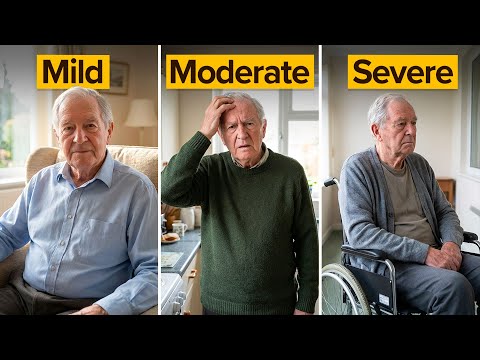 Dementia Progression: What I Wish Caregivers Were ToldThis video shares honest, practical advice from a caregiver who has been through it. It covers what the medical model misses and how to prepare for each stage.
 The Seven Stages Of Alzheimer's DiseaseA clear overview of all seven stages, including what to expect and how to adapt care at each step.
2 more videos
 What are the different stages of dementia? The 3 stage and 7 stage models explainedThis video breaks down the two most common staging models and explains how to use them practically at home.
 Amy Shaw, PA-C Founder of Better DementiaAmy Shaw offers a clinician's perspective on why stage awareness matters and how to talk to doctors about what you're seeing.
Background
The Medical Model Assumes Intact Cognition, But Dementia Doesn't Cooperate
The medical model treats dementia like a list of symptoms to be managed with medications and tests. It assumes your loved one can still follow complex instructions, remember appointments, and make logical decisions. But dementia is a progressive brain change that affects memory, judgment, language, and even the ability to recognize familiar faces. When you expect your loved one to act like they did before the diagnosis, you set yourself up for frustration, guilt, and burnout. The medical model doesn't teach you how to adapt your communication or adjust your expectations as the disease progresses.
Stage Awareness Gives You a Road Map, Not a Label
Instead of just knowing the diagnosis, stage awareness helps you see what your loved one can still do and what they need help with. For example, in early stages (mild cognitive impairment or stage 3 on the 7-stage model), they may forget recent events or names but can still dress themselves and carry on a conversation. In moderate stages, they might wander, have trouble with hygiene, or become suspicious. In late stages, they may need help with eating, walking, and toileting. Knowing the stage helps you anticipate needs, reduce surprises, and plan for the right support at the right time. It also helps you explain to doctors what you're seeing so they can adjust treatments and services.
Stages Don't Define Your Loved One, They Describe Support Needs
Dr. Camille Sinclair explains that stages are useful for anticipating support needs, not for defining who your loved one is. A person can be in early stage but have high risk for falls or financial scams. Another person in moderate stage might still enjoy music or a walk. The stage tells you what kind of help they need right now, not their worth or personality. By focusing on what they can do and what they need, you become a better care partner and avoid the trap of comparing them to a chart that doesn't fit.
Practical tools
6
The 'What I See' Journal
Keep a small notebook or notes app for daily observations:
Bring it to doctor visits, it gives clinicians concrete data to adjust treatments and services.
The 'One Thing' Communication Script
When giving instructions, say only one thing at a time. Instead of 'Please go brush your teeth and then put on your shoes,' say 'Let's brush your teeth now,' wait for them to finish, then say 'Now let's put on your shoes.' This reduces confusion and frustration for both of you.
The 'Redirection' Phrase Bank
When your loved one is agitated or repeating a question, try: 'I see you're worried. Let's take a walk.' 'That's a good question. Let me check on that.' 'Would you like to listen to some music?' Avoid arguing or correcting, and redirect to a calming activity.
The 'Stage-Based Safety Checklist'
Build a list for each stage.
The 'Care Partner Support Network' List
Write down names and contact info for:
Keep this by the phone or saved in your contacts.
The 'Daily Abilities' Chart
Make a simple chart with columns for Morning, Afternoon, and Evening. For each time, list what your loved one can do (dress themselves, eat breakfast, walk to the living room) and what they need help with (bathing, toileting, medication). Update it every month as things change.
Different situations
Lewy body dementia (LBD)
In LBD, stages are less predictable. Your loved one may have good days and bad days, and may fluctuate in alertness. Focus on their current state, not a fixed stage. Watch for visual hallucinations, sleep disturbances, and movement problems. Use the 'Redirection' phrase bank often, and avoid antipsychotic medications unless absolutely necessary (discuss with clinician).
Late stage (severe dementia)
In late stage, your loved one may not speak or recognize you. Focus on comfort, not communication. Use touch, music, and familiar smells. The 'Daily Abilities' chart will show they need help with everything. Use the 'Stage-Based Safety Checklist' for bed rails and fall prevention. Discuss hospice eligibility with your clinician if they have weight loss, recurrent infections, or difficulty swallowing.
Spouse vs. adult child caregiver
If you are a spouse, you may feel more emotional loss and grief. You might need more emotional support and respite care. If you are an adult child, you may face sibling disagreements and financial stress. Use the 'Care Partner Support Network' list to find a support group that matches your role. In both cases, stage awareness helps you explain to others what you need.
Living in a facility (nursing home or memory care)
You are still the primary care partner, even if staff provide daily care. Use the 'What I See' journal to communicate with staff about changes in behavior or health. Visit at different times of day to see how they are doing. Stage awareness helps you advocate for the right level of care and activities.
Medicaid or limited resources
Stage awareness helps you prioritize spending. In early stages, invest in safety modifications (grab bars, door alarms). In moderate stages, consider adult day care or in-home help. In late stages, look into Medicaid waivers for home care or nursing home placement. Contact your local Area Agency on Aging for free or low-cost services.
For the doctor
5
- Ask your doctor: 'Based on my loved one's current stage, what medications or therapies might help with behavior or cognition? Are there any clinical trials I should consider?'
- Ask your doctor: 'What are the signs that my loved one is moving to the next stage? How do I know when to call you?'
- Ask your doctor: 'Are there any reversible conditions that could be causing or worsening dementia symptoms, like vitamin B12 deficiency, thyroid problems, or depression?'
- Ask your doctor: 'If my loved one is in late stage, what are the criteria for hospice eligibility? Can you help me understand the options?'
- Ask your doctor: 'What safety risks should I watch for at this stage? Do I need to stop driving, lock up medications, or install bed alarms?'